6 Best Blade Oilers For Smooth Action Worth Using
Keep your tools in top condition with our guide to the 6 best blade oilers for smooth action. Improve performance and extend tool life. Read our top picks now.
Maintaining precision tools is just as critical as selecting the right wool for a heirloom blanket. Dull, stiff rotary cutters or rusting shears can turn an hour of careful fabric cutting into a frustrating experience of fraying edges and hand fatigue. Proper lubrication ensures every slice remains clean, protecting both the investment in high-quality tools and the fabric being prepped for a project. This guide explores the essential oils that keep cutting implements moving effortlessly through even the densest cottons or slippiest silks.
SINGER All Purpose Machine Oil: The Trusted Classic
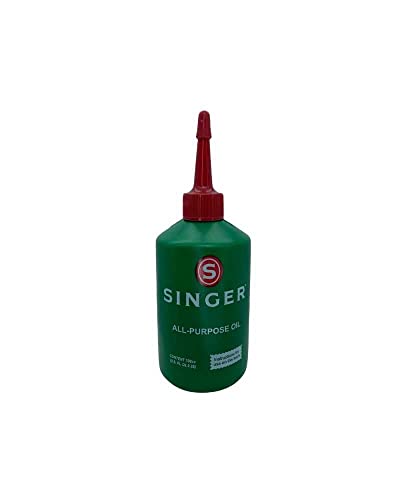

SINGER All Purpose Machine Oil has long been the gold standard for maintaining sewing machines and related fiber arts equipment. Its lightweight, refined formula is specifically engineered to reduce friction in metal-to-metal contact points without leaving behind a gummy, dust-attracting residue.
This oil is particularly effective for high-speed mechanisms where heat buildup can occur, such as the internal gears of a serger or a standard sewing machine. When applied to the pivot point of shears, it allows for a buttery-smooth closing action that prevents the blades from grinding against each other.
Because it is thin and clear, it poses a lower risk of discoloration on most light-colored fabrics. Use it sparingly, as even a tiny drop is sufficient to coat the internal mechanisms of most cutting tools.
Zoom-Spout Oiler: Best for Precision Application

The Zoom-Spout Oiler solves the common dilemma of over-lubrication, which often leads to oil migrating onto precious project fabric. Its unique, extendable telescopic spout reaches deep into the tight, recessed hinges of heavy-duty fabric shears or rotary cutter housings where standard bottles cannot venture.
Precision is vital when maintaining expensive tools. By delivering a single, controlled drop exactly where the screw meets the blade, this oiler ensures the lubricant stays exactly where it is needed—inside the hinge—rather than dripping down onto the cutting edge or the work table.
The high-quality turbine oil inside is designed to withstand long periods of inactivity without separating or breaking down. This makes it a perfect companion for tools that may sit in a project bag for weeks between uses.
3-IN-ONE Multi-Purpose Oil: Best for General Use

3-IN-ONE is the ubiquitous lubricant found in almost every workshop, and for good reason. It is a heavier-duty oil compared to machine-specific alternatives, offering excellent rust protection for shears that may be exposed to the humidity of a craft room or basement storage area.
While effective, its slightly thicker viscosity means it should be used with extreme caution on precision instruments. A tiny amount goes a very long way; applying too much will cause the oil to attract lint and stray fiber dust, creating a sludge that can eventually gum up the hinge of a rotary cutter.
This is an excellent choice for general maintenance of metal tools that require a protective barrier against oxidation. If shears are used heavily on dense materials like canvas or thick upholstery weight wools, the added durability of this oil provides a distinct advantage.
Dritz Blade Saver Oil: Ideal for Rotary Cutters

Dritz Blade Saver Oil is formulated with the specific needs of rotary cutters in mind. These tools function by rotating a circular blade against a plastic housing; if that rotation encounters friction, the blade will skip or drag, resulting in an uneven cut that ruins the edge of the fabric.
This oil strikes a balance between being thin enough to penetrate the housing and viscous enough to provide a long-lasting protective film. It is designed to be non-corrosive to the nylon and plastic components often found in modern rotary cutter handles.
For those who do extensive machine quilting or garment construction, keeping the rotation smooth is non-negotiable. Regular application ensures that the blade life is extended, saving money on replacement blades over the course of a large-scale project.
Liberty Oil Synthetic Lubricant: Premium Choice

Liberty Oil is a high-performance synthetic lubricant that stands out for its longevity and resistance to temperature fluctuations. Unlike mineral-based oils that can thin out in a hot room or thicken in the cold, this synthetic formula maintains a consistent viscosity regardless of the environment.
This stability makes it the premium choice for professional-grade shears that are used daily. Because it is synthetic, it is less prone to oxidation, meaning the oil will not turn rancid or sticky over time inside the mechanism.
While it carries a higher price tag than basic machine oils, its performance longevity justifies the investment for serious makers. It provides a dry-feeling lubrication that is exceptionally effective at preventing the “metal-on-metal” stutter often felt when closing long fabric shears.
Tula Pink Precision Oiler: The Designer’s Pick

The Tula Pink Precision Oiler combines aesthetic appeal with functional design, featuring a needle-tip applicator that offers pinpoint control. This tool is intended for makers who value organization and efficiency, as the slim design fits easily into any standard sewing kit or notions case.
The formula inside is a high-grade lubricant that provides smooth action while being remarkably light. It is particularly effective for those intricate, smaller cutting tools, such as embroidery scissors or thread snips, which have very tight tolerances.
Using this tool feels deliberate and precise, which helps the user avoid the messiness associated with wider-mouthed oil bottles. It is a functional piece of kit that turns maintenance from a chore into a seamless part of the crafting workflow.
Choosing the Right Blade Oil for Your Fiber Tools
Choosing a lubricant involves balancing the need for reduced friction against the risk of fabric contamination. If a tool is used on delicate, high-absorbency fabrics like silk or thin cotton lawn, a lighter, clearer oil is always preferred to avoid unwanted spotting.
Consider the environment in which the tools reside. If the workspace is subject to high humidity, prioritize an oil with rust-inhibiting properties to protect the integrity of the steel blades.
Ultimately, the best oil is one that allows the tool to move with minimal pressure. If there is noticeable resistance when closing shears or spinning a rotary blade, the current lubricant is likely either too thick or has degraded into a gummy state.
How to Properly Oil Your Rotary Cutters and Shears
Maintenance should always begin by cleaning the tool. Use a soft, lint-free cloth to remove any stray fiber bits, dust, or old, congealed lubricant from the blade and the pivot point before applying fresh oil.
For shears, place a single drop of oil at the pivot screw. Work the blades back and forth several times to allow the oil to penetrate the hinge, then wipe away any excess that seeps out onto the blade surface with a clean cloth.
For rotary cutters, remove the blade and carefully clean the housing and washer. Apply a microscopic amount of oil to the bearing or the center post before reassembling the unit to ensure smooth, consistent rotation.
Mineral vs. Synthetic Oil: What’s the Difference?
Mineral oils are derived from petroleum and are generally effective, affordable, and widely available. However, they can break down over time, oxidizing into a sticky or tacky substance that eventually attracts more dust and lint, necessitating more frequent cleaning.
Synthetic lubricants are engineered at the molecular level for specific performance goals, such as heat resistance and long-term stability. They are chemically cleaner and less likely to break down, which makes them superior for high-end shears or tools used in precision settings.
While mineral oils are perfectly adequate for standard use, those who demand peak performance from their tools often find that the initial investment in synthetic oil pays off in fewer maintenance cycles.
Will Blade Oil Stain Your Fabric? A Key Concern
The primary fear for many is that oil will ruin a finished quilt top or a delicate garment. This concern is valid, but staining is almost always caused by using too much product rather than the specific chemistry of the oil itself.
To prevent staining, always apply oil to a cloth first and wipe the hinge, rather than applying it directly to the tool. Furthermore, always perform a “test cut” on a scrap piece of fabric after lubricating your shears to ensure that no residual oil is present on the blades.
If oil does accidentally contact the fabric, treat it immediately with a degreasing agent or a specialized fiber-safe spot cleaner. Being disciplined with the amount of oil applied is the single most effective way to eliminate the risk of damage to your work.
Proper lubrication is the secret to a long-lasting and reliable tool kit. By choosing the right product and applying it with care, the frustration of dull or stiff blades will become a thing of the past, leaving you free to focus entirely on the rhythm of your craft.