6 Best Heddle Rods For Basic Shed Creation Worth Using
Find the 6 best heddle rods for basic shed creation in our expert guide. Improve your weaving efficiency and choose the perfect tool for your loom today.
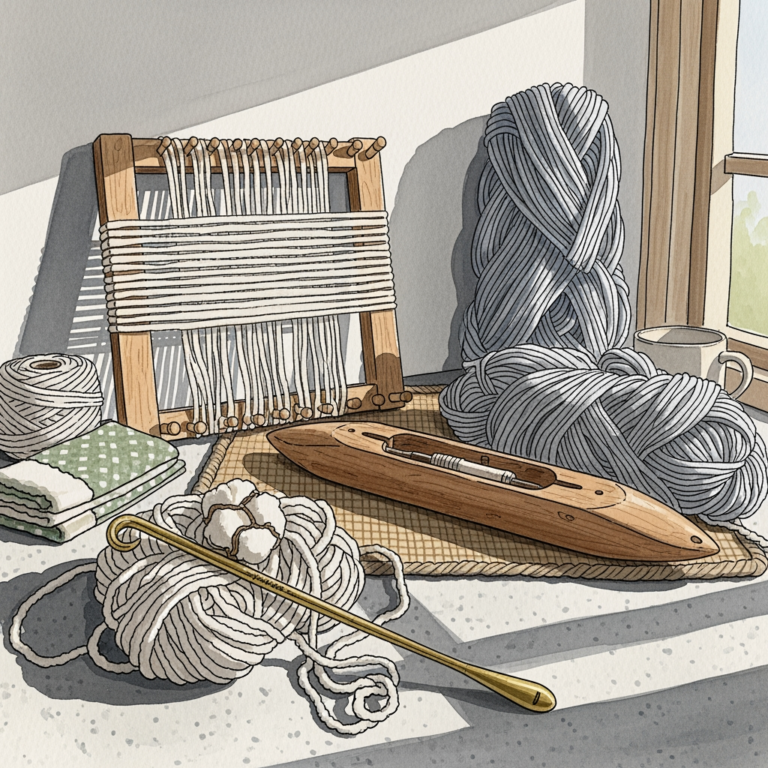
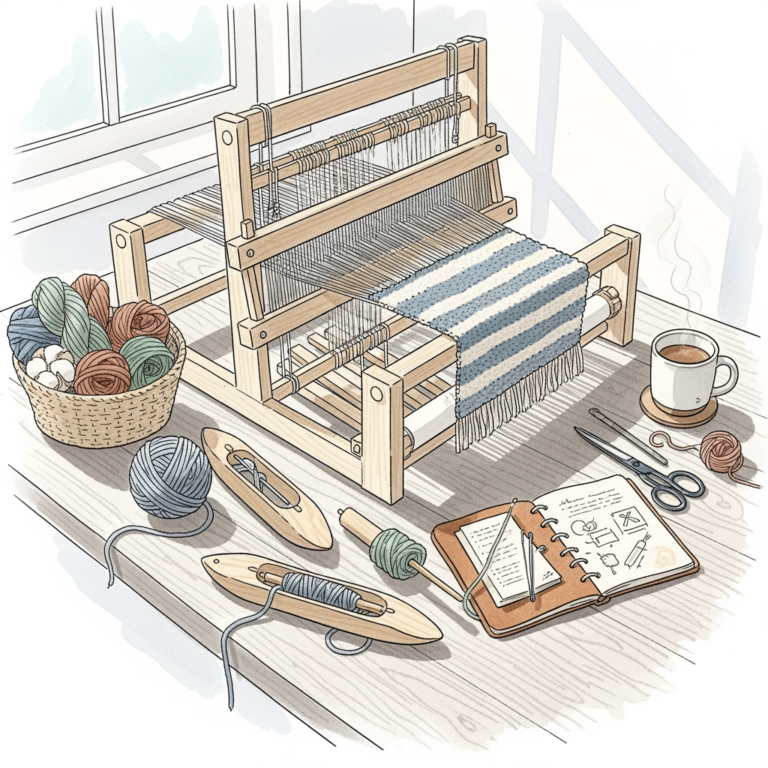
Weaving, much like intricate cable work in knitting, relies on the precision of tools to ensure an even tension across the warp. A heddle rod is the unsung hero of the loom, acting as the mechanism that lifts specific threads to create the “shed”—the space through which the shuttle passes. Choosing the right rod can mean the difference between a frustration-free afternoon and a project plagued by uneven tension. These tools are the foundation for building clean, consistent fabric structures, whether you are weaving thick wool blankets or delicate linen scarves.
Ashford Heddle Sticks: Best for Versatility


Ashford heddle sticks are designed to integrate seamlessly with a wide range of standard loom setups. They are crafted from high-quality New Zealand silver beech, which is known for its durability and resistance to warping over time.
These sticks are favored for their consistent thickness, which prevents snagging on delicate yarns like merino or mohair. Their rounded edges ensure that the warp threads move smoothly without fraying, an essential feature when working with non-superwash wools that can be prone to breakage under friction.
For those who frequently switch between project types, these sticks offer a reliable, neutral performance. They are neither too grippy nor too slick, providing the right amount of control when building a shed for complex twills.
Schacht Heddle Rod Set: Top Pick for Smooth Finish

The Schacht heddle rod set stands out for its impeccable surface treatment. A smooth finish is critical because any burrs on the wood can catch on the yarn fibers, leading to irregular spacing that mimics a dropped stitch in knitting.
Because these rods are polished to a high sheen, they are particularly well-suited for sticky or “hairy” fibers like alpaca or mohair blends. The friction is minimized, allowing the shed to open cleanly and remain stable while the shuttle passes through.
Precision is the hallmark of the Schacht brand, and these rods are no exception. Investing in this set ensures that the warp remains perfectly aligned throughout the entire weaving process, resulting in a professional-grade selvage.
The Weaver’s Loft Rods: Best Hand-Finished Option
Hand-finished rods bring a tactile quality that mass-produced alternatives often lack. The makers at The Weaver’s Loft pay close attention to the ergonomics of the rod, ensuring the grip is comfortable for long periods of operation.
These rods are an excellent choice for weavers who appreciate the artisan aspect of their craft. Because each piece is finished individually, the wood grain is often tighter and more uniform, which contributes to the overall longevity of the tool.
If a project involves high-tension patterns, such as tapestry weaving, the solid construction of these rods holds up exceptionally well. The trade-off is a slightly higher price point, but the durability and smooth tactile feedback are clear advantages for serious makers.
Kromski Heddle Rods: For Kromski Loom Users
Kromski produces equipment specifically calibrated for their own looms, and their heddle rods follow this design philosophy. Using brand-specific tools ensures the clearance within the loom frame is optimized, preventing the rod from hitting the frame sides.
These rods are typically finished with a light clear coat that protects the wood from humidity. This is an important consideration if the weaving studio is located in a basement or a space prone to environmental shifts, as raw wood can swell and affect tool performance.
Users who own Kromski looms will find that these rods fit perfectly without the need for modification. They provide a predictable, stable shed that eliminates the guesswork associated with using generic, third-party accessories.
Beka Original Heddle Sticks: Ideal for Frame Looms
Beka is synonymous with accessible, sturdy loom equipment. Their heddle sticks are specifically designed for the needs of frame looms, which often require a lighter-weight tool for simpler, more manual sheds.
These sticks are often chosen by beginners because they are easy to manipulate and less intimidating than rigid heddle systems. They excel in projects involving chunky yarns or varied textures, where the warp doesn’t need to be under extreme tension.
While they may not offer the heavy-duty stability of premium Swedish brands, they are remarkably effective for learning the mechanics of shedding. They represent a cost-effective entry point for those just beginning to explore the intersection of weaving and textile design.
Glimakra Heddle Rods: Premium Swedish Quality
Glimakra represents the gold standard for traditional weaving tools. These rods are crafted from high-density hardwoods that are built to last for generations, much like a well-maintained set of heirloom rosewood knitting needles.
The weight and balance of these rods are superior, providing a satisfying “snap” when creating a shed. This mechanical advantage is noticeable when weaving long warps, as it reduces hand fatigue during repetitive actions.
For the weaver who treats their equipment as a long-term investment, Glimakra is the clear choice. They provide the most consistent shed possible, which is essential for achieving the precision required in traditional lace weaving or complex Scandinavian patterns.
How to Choose the Right Heddle Rod for You
Selecting the right rod depends heavily on the project at hand. Consider the diameter of the rod relative to the thickness of your yarn; a rod that is too thick may create a shed that is excessively wide, putting unnecessary strain on the warp.
Material choice also plays a role in the long-term success of the project. Hardwoods are generally preferred for their resistance to splintering, but ensure that the finish is smooth enough to prevent the “plucking” of fibers.
- Project Scale: Small frame looms benefit from lightweight sticks, while floor looms require the mass of heavier rods.
- Fiber Type: Use slick, finished wood for delicate fibers; consider slightly textured wood for yarns that are prone to sliding.
- Loom Compatibility: Always prioritize brand-matched tools if your loom has specific clearance requirements.
Creating a Shed: Using Your New Heddle Rods
Creating a shed is essentially the act of separating the warp threads into two distinct layers. Place your heddle rod underneath the threads that need to be raised, then turn the rod onto its edge to create the gap.
Consistency is key here. If the rod is not positioned evenly across the width of the warp, the tension will vary, resulting in wavy fabric. A good practice is to double-check the placement of the rod against the warp ends before throwing the shuttle.
If you find that your shed is “sticky” or uneven, check the alignment of the rod relative to the loom frame. Often, a slight adjustment to the rod’s tilt or position will resolve the issue immediately, ensuring the shed is perfectly open.
Heddle Rod vs. Rigid Heddle: What’s the Diff?
A heddle rod is a simple, separate tool used to manipulate warp threads, whereas a rigid heddle is a fixed component that acts as both a reed and a heddle. Rigid heddles are faster for production weaving but offer less flexibility in shed height and pattern manipulation.
Heddle rods allow for a greater variety of weave structures, as you can manually select specific threads to create unique patterns. They are the preferred tool for weavers who enjoy a more hands-on, traditional approach to textile construction.
Choose a rigid heddle if efficiency is your primary goal. Stick with traditional heddle rods if you are interested in exploring complex pattern drafts or traditional weaving techniques that require manual shed control.
Caring for Your Wooden Heddle Rods and Sticks
Wood is a living material that reacts to changes in temperature and humidity. Store your rods in a cool, dry place away from direct sunlight to prevent them from drying out or warping over time.
If you notice the wood feeling “fuzzy” or rough, it is a sign that the fibers have raised. Use a fine-grit sandpaper (400 or higher) to gently smooth the surface, followed by a light rub with a wood conditioner or wax to restore the finish.
Avoid using harsh detergents or excessive water when cleaning your rods. A simple wipe with a soft, dry cloth after each project is usually sufficient to remove residual oils and yarn debris, keeping the tools in prime condition for your next piece.
Mastering the heddle rod is a rewarding step toward full control over your woven fabric. By selecting the right tool for your specific fiber and project goals, you ensure that every pass of the shuttle contributes to a cohesive, beautifully crafted textile. Choose wisely, maintain your tools with care, and enjoy the rhythmic process of creating your own cloth.