7 Best Tailor Tape Measures For Custom Fitting
Find the 7 best tailor tape measures for precise custom fitting in our expert review. Upgrade your sewing toolkit today and achieve professional results every time.
Achieving the perfect fit in a hand-knit garment starts long before the first stitch is cast on. Precise body measurements are the foundation upon which every successful sweater, sock, and hat is built, yet many makers struggle with inconsistent tools. A quality tape measure acts as the bridge between a flat pattern schematic and the unique contours of a human body. Investing in the right measuring tool ensures that when the time comes to block that final piece, the dimensions match the original intent.
Hoechstmass Rollfix Retractable Tape: Best Overall
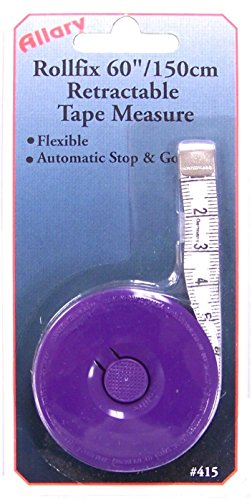

Precision is the hallmark of the Hoechstmass Rollfix, a German-engineered tool that is a staple in high-end tailoring. The retraction mechanism is exceptionally smooth, preventing the tape from kinking or fraying over years of frequent use.
For the serious knitter, the primary benefit here is the tension control. Unlike cheaper plastic housings that snap back violently, this design allows for a steady, controlled extension that keeps the tape flat against the skin or the knitted fabric.
The tape itself is made of a high-quality, stretch-resistant material that maintains accuracy even after thousands of cycles. If you regularly measure finished garments during the blocking process, the durability and consistent return of this tape make it the gold standard for your knitting kit.
Singer ProSeries Tape Measure: Budget-Friendly Pick

Reliability does not always require a premium price point, and the Singer ProSeries proves that essential tools can be both functional and accessible. This tape is lightweight and flexible, making it ideal for tossing into a project bag alongside spare needles and stitch markers.
The material is soft, which allows it to drape beautifully over curves, such as when measuring the circumference of a sleeve or the depth of a raglan armhole. Because it is thin, it contours to the body without feeling stiff or cumbersome.
While it lacks the heavy-duty housing of more expensive models, its accuracy remains consistent for standard knitting needs. It serves as an excellent “secondary” tape to keep in a travel project bag, ensuring you always have a tool on hand when working on a commute or at a knit night.
Clover Shiro Tape Measure: Easiest to Read

Legibility is a critical factor when working in low-light conditions or after a long day of intricate cable work. The Clover Shiro tape features a high-contrast design that minimizes eye strain and eliminates the guesswork often associated with smaller markings.
The crisp, bold numbering is particularly helpful when checking your row gauge or measuring the length of a garment mid-way through a project. For those who find standard yellow or white tapes difficult to parse, this stark aesthetic offers a welcome reprieve.
The tape material is sturdy yet pliable, resisting the curling that plagues many bargain-bin options. It is a tool designed for makers who prioritize visual clarity above all else, ensuring that every measurement is captured correctly the first time.
Dritz Flat Body Measuring Tape: Best for Drafting

Drafting custom patterns requires a tape that stays put and remains perfectly flat against the workspace. The Dritz Flat Body tape is designed for stability, making it the superior choice for laying out measurements on a table when calculating ease or grading a size.
Because it does not retract into a housing, it lies perfectly level across a flat surface, which is essential for accurate pattern drafting or verifying gauge swatches. The lack of a coiled memory means it won’t fight against the fabric as you attempt to align measurements.
This tape is a workhorse for those who regularly design their own sweaters or modify existing patterns. If your knitting process involves significant math and structural planning, having a flat, uncoiled tape at your side is an indispensable advantage.
Perfect Measuring Tape Co. Vinyl: Most Durable

Longevity in the fiber arts often comes down to tools that can survive the rigors of frequent handling. The Perfect Measuring Tape Co. uses a heavy-duty, reinforced vinyl that resists tearing, staining, and the inevitable stretching that occurs with lower-quality plastic-coated papers.
When you are checking the length of a heavy wool sweater that has been pinned to blocking mats, you need a tape that won’t distort under tension. This vinyl material remains true to its length, providing an accurate reading even when handled with damp hands or near steam.
This is the tool for the knitter who demands consistency over the life of a project. It is rugged enough to withstand years of being crumpled into a yarn bowl and pulled taught, making it a reliable fixture in your crafting space.
Ad-Grip Adhesive Measuring Tape: For Awkward Spots
Sometimes the most difficult measurement to take is the one you have to manage alone, such as the back length or a precise hem depth. The Ad-Grip system offers a unique solution by allowing you to attach measuring points directly to a work surface or pattern piece.
This is invaluable for those who work in home-based studios or on large knitting tables. By creating a fixed reference point, you eliminate the variability of holding a tape measure manually, leading to more professional results in your finished garments.
While not meant for body measurements, it is a game-changer for layout tasks. If you are serious about construction and blocking, having a semi-permanent measuring solution can help you achieve that perfectly professional finish every time.
Lonsdale Leather Tape Measure: Heirloom Quality
For the knitter who appreciates the tactile beauty of their tools, a leather-cased tape measure offers a level of sophistication that plastic simply cannot match. Beyond the aesthetics, leather provides a durable, protective shell that will age gracefully alongside your most prized needles.
These tools are often crafted with precision, featuring tapes that are resistant to the climate-induced warping sometimes seen in cheaper materials. They feel substantial in the hand, which adds a sense of ceremony to the often-tedious process of measuring and calculating.
Investing in an heirloom-quality tool is a reflection of the time you invest in your craft. It serves as a reminder that knitting is a long-term pursuit, where every detail—from the yarn choice to the measuring tools used—contributes to the final masterpiece.
Fiberglass vs. Cloth: Why Your Tape Material Matters
The material composition of your tape measure dictates its behavior and longevity in a moisture-prone environment. Fiberglass tapes are the industry standard for a reason; they are virtually non-stretchable and resistant to the humidity of a steamy knitting room.
Cloth tapes, while soft and pleasant to the touch, can eventually lose their accuracy as the fibers loosen over time. If a cloth tape gets wet during a blocking session, it may shrink or expand, leading to a false sense of security regarding your garment’s dimensions.
Always opt for fiberglass-reinforced vinyl if you want a tool that stays true to its markings over years of service. A tape that stretches even a fraction of an inch can be the difference between a sweater that fits perfectly and one that is slightly off-gauge.
How to Take Body Measurements for a Perfect Fit
Taking your own measurements requires honesty and a consistent method to ensure your patterns translate well to your actual body. Always measure over the undergarments you plan to wear under the finished garment, as different levels of support can alter your bust or waist measurements by an inch or more.
When measuring, keep the tape snug but not tight. If you pull it too firmly, you will end up with a garment that has “negative ease,” meaning it will be smaller than your body, potentially ruining the drape of your yarn.
- Stand tall: Do not slouch; your posture affects how the sweater will hang.
- Keep it level: Use a mirror to ensure the tape is parallel to the floor for bust, waist, and hip measurements.
- Consistent tension: Check the measurement twice to ensure the tape is in the exact same position both times.
Reading Your Tape Measure: Inches vs. Centimeters
Whether you use imperial or metric units largely depends on the patterns you choose, but consistency is key. Many modern knitting patterns include both, yet switching back and forth mid-project often leads to costly conversion errors.
If you are working from a European pattern, stay with centimeters to keep your gauge calculations clean and simple. If you are using American or British patterns, sticking to inches will keep your math intuitive and manageable.
Do not attempt to convert measurements in your head if the pattern specifies one system. Keep your tape on the side that matches your current project, and if you are using a dual-sided tape, be mindful to check the side you are reading before you mark down your gauge or final dimensions.
Choosing the right tailor tape measure is a small investment that pays dividends in the accuracy and professional quality of your knitting. By selecting a tool that suits your workflow—whether that is a rugged fiberglass model for blocking or a clear, easy-to-read tape for daily use—you take control of your process. Precision in measurement is the hallmark of a confident maker, ensuring that every hour spent at your needles results in a piece that fits exactly as intended.