6 Best Wax Threads For Sewing On Snap Reinforcements
Strengthen your leather projects with our guide to the 6 best wax threads for sewing on snap reinforcements. Click here to choose the right cord for your gear.
Securing a metal or plastic snap to a hand-knit garment requires more than just a standard sewing thread. Because these closures experience constant tension and mechanical stress, the thread must possess exceptional abrasion resistance and grip. Using an inferior, un-waxed thread often leads to loose snaps that pull away from the fabric over time. Selecting a high-quality waxed thread ensures that the attachment point remains as durable as the knitting itself.
Ritza 25 Tiger Thread: Best Overall Strength
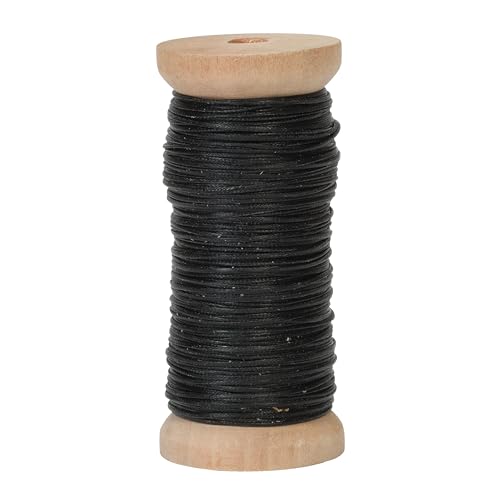

Ritza 25 is widely considered the gold standard for projects demanding high tensile strength. This braided polyester thread is pre-waxed, meaning it slides through knitted fabric without snagging or fraying under the tension of a snap installation.
Its braided construction prevents the thread from untwisting, which is a common failure point for cheaper, twisted threads. Because it is incredibly smooth, it embeds beautifully into the stitch structure of dense wool or cotton blends.
Expect a slightly stiffer finish than traditional cotton threads. This rigidity provides a stable anchor for the snap, ensuring it does not wobble after repeated use.
Gütermann Mara 70: Best for Fine Fabrics

When working with delicate or lightweight knitwear, bulky thread can distort the fabric. Gütermann Mara 70 is a poly-core thread that offers an exceptionally smooth finish, mimicking the appearance of fine silk while providing synthetic durability.
Although not heavily waxed like traditional saddlery thread, its finish is uniform and easy to work with for intricate reinforcement stitching. It is the ideal choice for cardigan necklines where you want the snap to remain hidden rather than bulky.
Because it is thinner than most leather-working threads, it requires multiple passes through the snap eyelet to create a sturdy reinforcement. This extra effort pays off in a clean, professional finish that doesn’t add unnecessary weight to the knit.
Maine Thread Waxed Cord: Top USA-Made Choice
Maine Thread produces a cord that hits a perfect middle ground between flexibility and toughness. Its heavy wax coating provides excellent grip, which is essential for holding knots securely when anchoring snaps on slippery fibers like superwash merino or bamboo.
The texture of this cord is slightly “tacky,” which prevents it from slipping during the delicate process of looping through the snap and the yarn. It handles the tension of hand-sewing through thick, chunky-knit reinforcements without snapping.
While it excels in strength, the thicker diameter makes it less suitable for fine lace-weight projects. Reserve this thread for heavier items like jackets, thick sweaters, or projects made from worsted-weight yarns and above.
Fil Au Chinois Lin Câblé: A Premium Option

Fil Au Chinois is a legendary French linen thread favored for its consistency and historical reliability. It is a natural fiber thread that has been waxed to perfection, offering a luxurious feel that synthetic options simply cannot match.
Linen has virtually no stretch, which is an advantage when installing snaps that need to maintain a precise position over the life of the garment. It bites into the knit fabric, creating a bond that feels integrated into the sweater rather than just sewn on top.
Be aware that linen thread is more sensitive to environmental moisture than polyester. However, for the serious crafter who values heritage materials, the aesthetic and functional quality of this thread is unparalleled.
TandyPro Waxed Thread: Our Favorite Budget Pick

TandyPro offers a reliable, no-nonsense waxed thread that serves as an excellent introduction to professional-grade hardware attachments. It is designed for leathercraft, meaning it is more than capable of handling the physical requirements of a snap on a heavy wool garment.
The thread is reasonably priced and available in a wide range of colors, allowing for subtle color matching to the garment. Its wax coating is consistent throughout the spool, preventing the uneven “clumping” that often plagues lower-quality bargain threads.
While it lacks the refined finish of premium linen, it performs reliably under high-stress scenarios. It is the most practical choice for those who frequently install buttons and snaps on a variety of different project types.
Crawford Waxed Linen: Best Natural Fiber Thread
Crawford waxed linen is a staple for those who prefer working with fibers that align with the natural composition of their wool knits. It possesses a subtle luster and a grip that improves as the wax warms from the heat of the hands during sewing.
This thread works exceptionally well with natural fibers because it moves with the knitting, preventing the harsh “pulling” effect that sometimes occurs when using rigid synthetics on delicate wool. It is strong enough for heavy-duty reinforcement but remains pliable enough to weave securely into the stitch density.
When using this, avoid over-waxing by hand, as the thread is already treated for optimal performance. It provides a classic, traditional look that pairs beautifully with hand-dyed or hand-spun yarns.
Why Waxed Thread is Best for Sewing on Snaps
Waxed thread acts as a lubricant and a sealant during the sewing process. As it passes through the metal eyelets of a snap, the wax protects the thread from the sharp edges of the hardware, preventing breakage.
Once the snap is attached, the wax acts as a cohesive agent that keeps the individual strands of the thread together. This prevents the thread from fraying or unraveling over time, which is the primary cause of snaps detaching from knitwear.
Furthermore, wax provides a degree of water resistance, protecting the integrity of the stitches against humidity or light moisture. This ensures that the reinforcement area remains structurally sound for the life of the garment.
How to Choose the Right Thread Thickness
Matching thread thickness to the yarn weight of the project is essential for a clean, professional look. If the thread is too thin, the snap will not stay securely attached; if it is too thick, it will deform the fabric and create an eyesore.
- Fine/Lace weight: Use a thin, multi-strand thread and build up the strength through multiple passes.
- Worsted/DK weight: Use a medium-thickness waxed thread that bridges the gap between the snap and the yarn loop.
- Bulky/Chunky weight: Opt for heavy-duty corded thread, as the fabric can easily support the bulk of the thicker attachment.
Always test the thread with the specific snap hardware before beginning the final installation. If the needle and thread cannot pass through the eyelet at least three or four times, the thread is likely too thick.
Polyester vs. Linen: Key Thread Differences
Polyester thread is the king of durability and consistency. It is rot-resistant, color-fast, and essentially impossible to break by hand, making it ideal for high-use garments like cardigans and coat closures.
Linen, by contrast, offers a superior, matte aesthetic that feels organic and purposeful on wool projects. It is less slippery than polyester, which can be an advantage when trying to maintain tension while sewing by hand.
The trade-off is that linen can be more brittle if exposed to extreme dryness. Polyester is generally the safer, more modern bet for longevity, while linen remains the preferred choice for those who prioritize traditional fiber harmony.
Tips for Sewing Reinforcements by Hand
Always sew through the actual stitch structure of the knit rather than just the surface loops. This ensures that the weight of the snap is distributed across the fabric rather than localized to a single point that might tear.
Create a “bridge” or a backing reinforcement on the underside of the snap. Using a small piece of scrap felt or an extra layer of fabric under the knit prevents the metal hardware from pulling through the delicate knitted fibers.
Use a dull-tipped or tapestry needle to navigate between the stitches, which prevents the needle from piercing and splitting the yarn itself. Maintaining consistent tension while looping the thread ensures the snap sits flush against the garment, looking as if it were a factory-installed component.
Selecting the right waxed thread is the final, critical step in ensuring that hours of knitting labor are not undone by a faulty closure. By matching the strength and material of the thread to the project’s specific fiber needs, you guarantee a finished piece that is as functional as it is beautiful.