6 Best Fineliners For Detailed Outlining Worth Using
Discover the 6 best fineliners for detailed outlining to elevate your precision drawings. Read our expert guide now to find the perfect pen for your artwork.
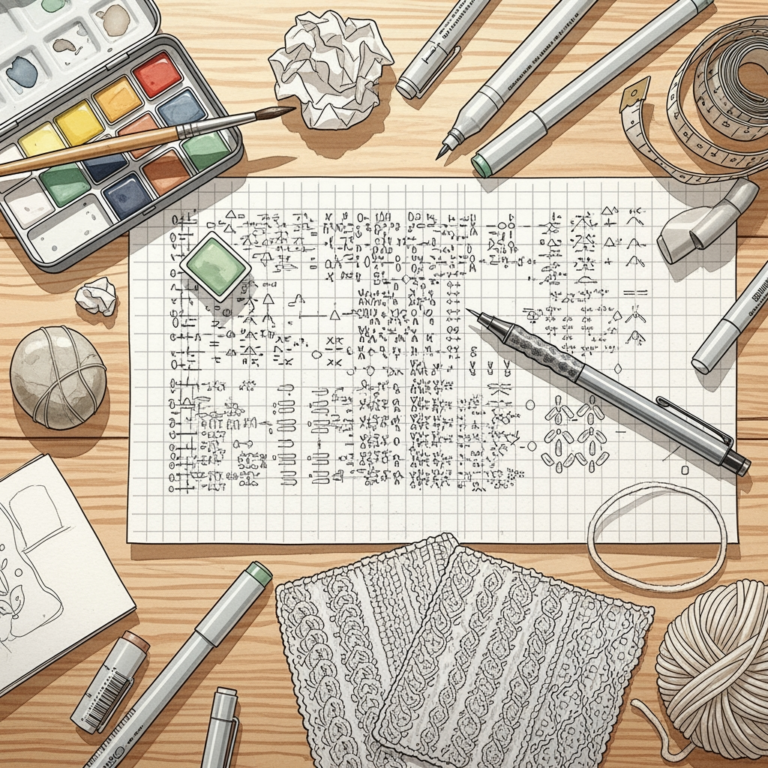
Precision in pattern drafting and charting requires tools as reliable as a high-quality stainless steel needle. Whether mapping out complex lace charts or sketching custom colorwork motifs, a fineliner is the essential bridge between a conceptual design and a wearable garment. Finding the right pen ensures that your technical drawings remain legible and clean throughout the entire planning process. These six options represent the gold standard for designers and knitters who value clarity in their documentation.
Sakura Pigma Micron: The All-Around Workhorse
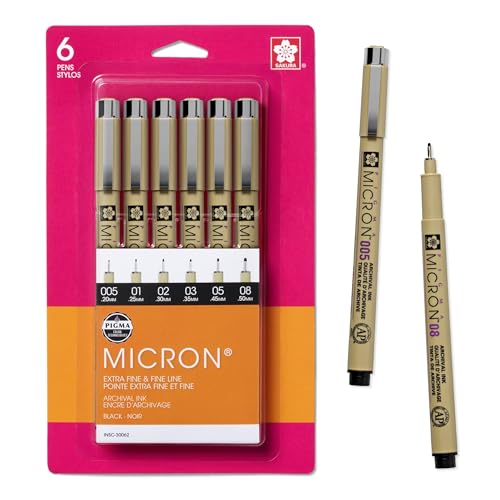

The Sakura Pigma Micron is widely considered the industry standard for a reason. These pens provide a consistent, skip-free flow that mimics the reliability of a well-balanced bamboo needle.
The archival ink quality ensures that your hand-drawn charts don’t fade or yellow over the years. This longevity is crucial for knitters who archive their pattern drafts in project binders alongside swatches and yarn labels.
Because they are available in an expansive range of nib sizes, these pens cater to every level of detail. Use the 005 for minute technical shorthand or the 08 for bolding key row markers.
Staedtler Pigment Liner: Best for Archival Work

Staedtler Pigment Liners are designed for those who treat their project journals with the same care as a lace heirloom. The sturdy, metal-clad tips hold their shape remarkably well, even after extensive use on textured pattern paper.
The ink is formulated for maximum lightfastness, meaning your design notes won’t succumb to UV damage if stored near a sunny craft nook. For knitters who keep detailed records for decades, this level of stability is invaluable.
These pens feature a “dry safe” design, which prevents the tip from drying out if left uncapped during a quick break to wind a skein of yarn. They are the dependable choice for long-term project planning.
Copic Multiliner: The Artist’s Choice for Layers
Copic Multiliners stand out for their ability to deliver precise, clean lines that do not bleed when layered with other mediums. If you use alcohol-based markers to color-code your charted stitches, these pens will not feather or smudge.
The build quality is exceptional, featuring a durable body that provides a comfortable grip similar to ergonomic knitting needles. This ergonomic design reduces hand strain during long drafting sessions.
These pens are refillable, making them a sustainable choice for the eco-conscious maker. Replacing ink cartridges is akin to splicing yarn; it keeps the tool in action without the need for constant replacement.
Faber-Castell Pitt Pen: Best Rich, Black India Ink
Faber-Castell Pitt Pens utilize high-quality India ink, which offers a depth of black that remains visually striking on any paper stock. This pigment is both acid-free and highly waterproof once dry.
The brush-tip options are particularly useful for knitters who need to sketch out custom cable designs or flowing motifs. The ink consistency is smooth, preventing the “drag” often felt with inferior pens on fibrous paper.
Because the ink is so rich, it stands up well to erasing or highlighting without looking dull. It provides a crisp contrast that helps visual learners interpret complex charts at a glance.
Uni Pin Fineliner: The Best Value for Full Sets
The Uni Pin series offers a sophisticated drafting experience at a price point that makes stocking a full set of nib sizes accessible. For the knitter transitioning from basic pattern following to original design, these provide excellent versatility.
The ink flow is exceptionally smooth, ensuring that technical lines appear crisp without pooling. This is essential when drafting intricate intarsia grids where precision defines the final result.
The sleek, minimalist aesthetic of these pens is a favorite among minimalist designers. They are reliable, understated, and perform exactly as expected every time they touch the page.
Sharpie Pen Art Pen: For Bold, Smear-Proof Lines
Sharpie Art Pens are a departure from the traditional technical pen, offering a sturdier tip that excels at bold, high-contrast work. These are perfect for outlining the main structure of a pattern or labeling bulky yarn bins.
The ink is designed to be smear-proof, which is a significant advantage for left-handed knitters or those who tend to rest their hands on the page. It provides the quick-drying performance needed for fast-paced sketching.
While they may not offer the extreme precision of a 0.03mm needle-point pen, they are far more forgiving on various paper textures. They are the “workhorse” for quick, bold annotations in a project notebook.
How to Choose the Right Fineliner Nib Size
Choosing a nib size should mirror how you choose your needle diameter: it must match the scale of your work. For complex lace charts with many small symbols, a 0.1mm or 0.2mm nib is essential for clarity.
If you are drafting bold colorwork motifs or knitting directions for bulky sweaters, a 0.5mm or 0.8mm nib offers better visibility. Using a tip that is too fine for a large grid can result in lines that disappear, while a tip that is too wide will cause symbol clutter.
Always consider the weight of the paper in your journal. Thicker, high-quality journals can handle larger, wetter nibs, while standard printer paper may require a finer, drier tip to prevent bleeding.
Pigment vs. Dye Ink: What Crafters Need to Know
Pigment-based inks consist of solid particles suspended in a liquid, making them waterproof, fade-resistant, and stable on the page. This is the gold standard for any knitter’s archival documentation, similar to choosing a high-twist wool for a garment that needs to last for generations.
Dye-based inks are dissolved into the liquid and tend to absorb deep into the paper fibers. While they often produce vibrant colors, they are more prone to running if exposed to moisture, such as a drop of water or sweaty hands during a long knitting session.
For technical charts, always prioritize pigment inks. They provide the sharp, crisp contrast required for accurately reading complex stitch instructions without the risk of blurring or fading.
Tips to Prevent Smudging, Bleeding, and Feathering
Smudging often occurs when the pen tip deposits more ink than the paper can absorb, similar to how an oversized needle causes a loose, uneven gauge. To mitigate this, keep your hand steady and move the pen at a consistent speed.
Bleeding happens when ink wicks through the paper, often due to high paper porosity. If your paper is thin, like standard notebook filler, opt for a finer nib size to reduce the total volume of ink applied to the surface.
Feathering is the result of ink spreading along the paper fibers, creating a fuzzy line. Using coated, high-quality drafting paper will ensure that even the finest line remains as crisp as a perfectly executed kitchener stitch.
Are These Fineliners Waterproof and Lightfast?
Most high-end fineliners, such as the Sakura Pigma and Staedtler Pigment lines, are specifically formulated to be both waterproof and lightfast. Once the ink sets into the paper, it will not lift or run if exposed to accidental moisture.
Lightfastness ensures that your work remains vibrant even when displayed or stored in bright areas. This is a critical quality for binders that sit on shelves, where UV exposure can cause inferior inks to disappear over time.
Always verify the product packaging for “archival quality” or “pigment ink” designations. If a pen is described as having “water-based dye,” avoid using it for permanent records that need to withstand the test of time.
Selecting the right fineliner is as critical to your design process as selecting the perfect yarn weight for a new project. By matching your tool to your specific task—whether it is delicate lace mapping or bold label marking—you ensure that your hard work is documented with precision and care. Invest in quality ink to keep your patterns as durable and beautiful as the garments you create.