6 Best Hardware Kits For Diy Coin Purse Assembly
Discover the 6 best hardware kits for DIY coin purse assembly to elevate your craft projects. Shop our top-rated picks and start your next project with ease today.
Transitioning a knitted swatch into a functional accessory requires more than just careful stitches; it demands hardware that can withstand daily use. A coin purse is often the first “real-world” project that moves a knitter beyond scarves and into the realm of structural construction. Selecting the right frame determines whether the final piece feels like a professional boutique item or a delicate experiment. This guide evaluates the most reliable hardware kits to ensure the finished accessory stays securely closed and perfectly shaped.


Emeline Bags Classic Clutch Frame Kit: Best Overall
The Emeline Bags Classic Clutch frame kit stands out for its superior hinge tension and consistent plating quality. It provides the reliable structure needed for heavy-weight wools or dense cotton yarns that might otherwise sag when attached to a thinner frame.
The kit includes a template that removes the guesswork from matching purse size to metal width. Because knitting has inherent stretch, this rigidity provides a necessary counterpoint to the soft, malleable nature of yarn.
While the price point is higher than generic alternatives, the longevity of the metal finish justifies the investment. It remains the gold standard for crafters looking to gift their work or produce items for small markets.
Sallie Tomato Sew-In Frame Kit: Easiest for Newbies
Sallie Tomato frames offer an incredibly forgiving learning curve for those intimidated by metal hardware. The perforated holes along the frame are perfectly spaced to align with standard stitch counts, making the connection between fabric and metal intuitive.
Many beginners struggle with the “puckering” effect that happens when a frame is misaligned with the knit edge. This kit mitigates that risk by allowing for a running stitch attachment that is easily adjustable before tightening.
It is an ideal choice for someone using sport or fingering weight yarn, as the holes are sized to accommodate a blunt tapestry needle without shredding the fiber. This frame is the ultimate confidence builder for those new to purse construction.
PandaHall Elite 10-Pack Frames: Best Bulk Value
For the prolific maker churning out dozens of market-ready gifts, individual frames quickly become a logistical headache. PandaHall Elite provides a high-volume solution that performs reliably under moderate stress.
These frames are thinner and lighter than luxury options, which makes them better suited for smaller purses using fine-gauge lace or fingering weight yarns. Because the metal is less robust, avoid using them for heavy, chunky-weight project bags that will be overstuffed.
The primary benefit here is the ability to experiment with different patterns without worrying about the cost of ruined materials. They are the perfect hardware for testing out new colorwork charts or stitch combinations.
Coopay Antique Bronze Arch Frame: Best Vintage Look
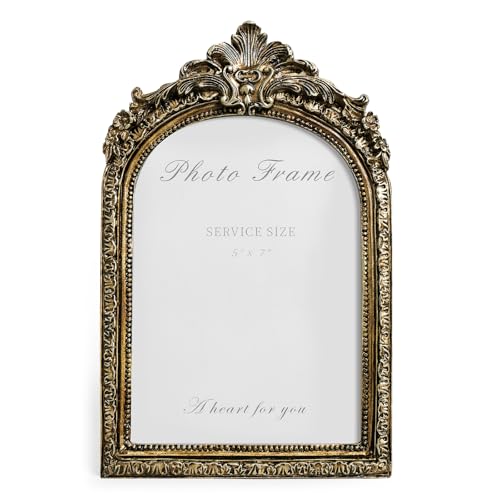
The aesthetic appeal of an antique bronze finish is difficult to replicate with modern spray paints or coatings. These frames add an immediate sense of history and heirloom quality to simple, solid-colored wool purses.
The arch shape is not just a stylistic choice; it offers a wider opening for retrieving coins and small items. This makes the finished purse more functional, despite the slightly more challenging installation process that comes with curved edges.
When working with this frame, ensure the knitted top edge is blocked into a corresponding curve before assembly. A flat edge forced into an arched frame will result in uneven tension and unsightly gaps.
Umo Lorenzo Box Corner Frame: For Modern Designs
Modern knitwear often leans toward structured, geometric shapes, and the Umo Lorenzo box corner frame is built for this aesthetic. Unlike rounded frames, these provide a sharp, clean edge that highlights clean lines and crisp stitch definition.
These frames are best utilized with high-twist yarns that provide good stitch definition, such as a sturdy mercerized cotton. Avoid using loose-ply rovings or fuzzy mohair, as the structure of the box corner will likely get lost in the halo of the yarn.
The installation requires precision, as the corners do not offer much room for adjustment. They are a fantastic choice for a maker who enjoys technical challenges and precise finishing work.
Tandy Leather Kiss-Lock Frame: Premium Durability
Tandy Leather specializes in materials that undergo significant physical stress, and their kiss-lock frames reflect that expertise. The snap mechanism is remarkably secure, ensuring that contents stay inside even if the purse is tossed into a larger tote bag.

These frames are often thicker, meaning they can handle a heavier yarn weight or even a lined project. If a project involves a felted wool construction, this is the hardware required to hold the dense, thick fabric in place.
While the installation requires a bit more physical force, the trade-off is a final product that will not pop open unintentionally. It is the best choice for a daily-use accessory that sees heavy wear.
Glue-In vs. Sew-In Frames: Which Is Right for You?
Choosing between glue-in and sew-in frames usually comes down to patience versus permanent security. Sew-in frames offer a visible, decorative connection that highlights the hand-made nature of the piece and allows for repairs later.
Glue-in frames, conversely, provide a seamless, clean finish that looks like a store-bought item. However, they require careful handling of liquid adhesives and don’t allow for mistakes; once the glue sets, the bond is essentially permanent.
For natural fibers that absorb moisture, sew-in frames are generally more reliable over time. Use glue-in frames only if you are confident in your ability to apply adhesive without staining the yarn.
How to Match Frame Size to Your Knitted Purse Body
The most common failure in purse assembly is a size mismatch, leading to “gaping” at the hinges. Always measure the width of your finished, blocked knitting flat against a ruler, then subtract 5-10% to account for the thickness of the metal channel.
If the knit is too wide, the top of the purse will wrinkle; if it is too narrow, the frame will pull the stitches and distort the pattern. It is always easier to add a few rows of short-row shaping at the top to narrow the purse than it is to force an oversized knit into a small frame.
Always prioritize the hardware dimensions first. Knit the body of the purse to fit the frame, not the other way around.
Tips for a Secure, Professional Frame Installation
Preparation is the secret to a professional result. Before attaching any frame, ensure your knitted piece is fully blocked to the exact dimensions of the opening.
When using a sew-in frame, use a thread that matches the fiber content and color of your yarn as closely as possible. A nylon-blend thread provides the best strength, preventing the weight of the coins from pulling the stitching loose over time.
For glue-in frames, use a high-quality E6000 or similar industrial craft adhesive, applied with a toothpick for precision. A little goes a long way, and excess glue is notoriously difficult to remove from delicate fiber surfaces.
Essential Tools for Coin Purse Frame Assembly
Beyond the frame itself, your toolkit should include a few specific items to ensure a stress-free assembly. Keep a pair of needle-nose pliers with a protective coating on the jaws to avoid scratching the metal plating during closing.
A sturdy tapestry needle is essential for sew-in frames, while a collection of sewing clips helps hold the fabric in place while the adhesive cures. Do not underestimate the value of a quality pair of embroidery scissors for trimming ends cleanly right up against the frame line.
Finally, keep a few pieces of scrap felt or thick fabric on hand to protect the metal if you need to use force during the final closing steps. Proper tool usage distinguishes a hobbyist project from a piece of finished, functional gear.
Mastering the connection between metal hardware and soft fiber is a skill that evolves with every project. Start with a sew-in frame to build confidence, and do not be afraid to adjust your gauge to suit the dimensions of the hardware. With the right kit and a steady hand, your knitted coin purses will bridge the gap between simple craft and professional accessory design.