6 Best Shelf Labels For Craft Room Inventory To Organize
Tired of messy supplies? Discover the 6 best shelf labels for craft room inventory to organize your space efficiently. Read our expert guide and start sorting today.
A well-organized yarn stash is the difference between starting a dream project immediately and spending three hours hunting for that final skein of fingering-weight wool. Inventory systems prevent the heartbreak of running out of dye-lot-matched yarn mid-row during a complex colorwork sweater. By implementing a clear labeling strategy, the focus remains on stitch quality and tension rather than supply chain management. These six labeling solutions provide the structure necessary to maintain a functional, inspiring craft room.
mDesign Chalkboard Labels: Best Reusable Option


Constant rotation of projects means stash contents shift frequently. Chalkboard labels allow for rapid updates without the waste of printing new stickers every time a bin of sock yarn is swapped for bulky alpaca.
The matte surface works perfectly with liquid chalk markers, providing high contrast for quick identification. Because these labels are removable, they are ideal for knitters who reorganize their space seasonally to keep seasonal fibers within reach.
However, be mindful that these labels can smudge if brushed against frequently. They are best suited for bins that sit on shelves rather than containers that are constantly hauled to knitting circles or retreats.
The Container Store Bin Clips: Best for Baskets

Bin clips offer a professional, structured aesthetic that attaches directly to wire or wicker baskets. They provide a sturdy, permanent home for labels, keeping fiber types like cotton, silk, or wool clearly demarcated.
For those using woven baskets to store large quantities of stash, these clips ensure that contents are identified from across the room. They eliminate the need for adhesive stickers that can damage delicate basket weaves or leave residue.
One downside is the limited surface area for information. They are excellent for broad categories like “DK Wool” or “Acrylic Blends,” but they may not accommodate detailed yardage or dye-lot notes.
Brother P-touch Cube: Best for Detailed Labeling
Precision is essential when tracking technical details like WPI (wraps per inch), fiber content, and precise yardage. The P-touch Cube creates clean, adhesive labels that resist peeling over time, even in varying humidity.
Digital labeling is the gold standard for those who manage large, varied inventories. It allows for the inclusion of essential data points that prevent “yarn math” errors, such as whether a blend contains silk, which affects how a garment will drape or block.
While the upfront investment is higher, the durability of thermal labels is unmatched. These labels will not fade, ensuring that the critical information about a specific skein remains legible years after it was first purchased.
Avery Printable Labels: Best for Fabric Stashes
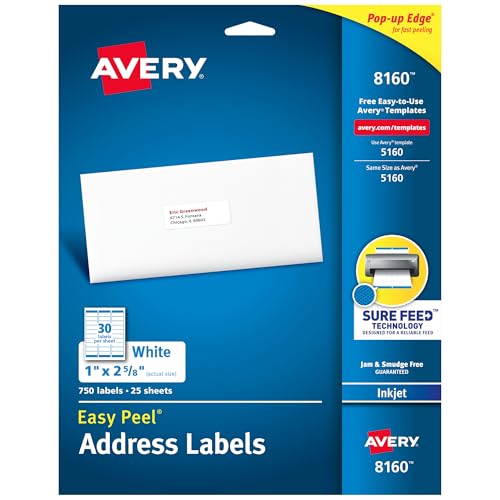
Fabric stashes require more comprehensive data, such as yardage, fiber percentage, and cleaning instructions. Printable labels allow for the creation of uniform, professional-looking tags that fit perfectly onto bolts or folded cuts.
Using a template allows for batch printing, which saves significant time when organizing a large collection of quilting cotton or garment fabric. Clear, consistent labeling ensures that the dimensions are known before the scissors even come out.
The main tradeoff is the lack of repositionability once the adhesive sets. These are best used for long-term storage where the fabric is unlikely to be moved or re-sorted frequently.
Ubrands Dry Erase Labels: Best for Metal Shelves
Magnetic dry-erase labels provide unparalleled flexibility for metal shelving units common in craft studio setups. They snap directly onto the frame, making them the ultimate tool for a dynamic and evolving knitting workspace.
If a project requires moving several skeins to a different shelf, the label moves with the yarn. This adaptability is vital for makers who frequently shift their workspace layout to accommodate new tools or larger knitting projects.
The risk with dry-erase is accidental erasure. If a label is located in a high-traffic area, consider using a permanent fine-tip marker for the data and saving the dry-erase functionality for temporary project notes.
Yarn Valet Skein-Tags: Best for Individual Skeins

Tracking individual skeins is a unique challenge, especially when dealing with hand-dyed yarns that lack a commercial label. Skein-tags attach directly to the yarn, preserving critical information like fiber content and weight.
These tags prevent the frustration of finding a beautiful, unlabeled skein later and guessing its properties. They are particularly useful for keeping the dye lot and washing instructions attached to the specific yarn until the project is finished and blocked.
The trade-off is the manual effort required to tag every single skein. While it adds a step to the intake process, it ensures that no mystery yarn ever ends up in the bin, protecting the integrity of future projects.
How to Choose the Right Label for Your Stash
The primary factor in selecting a label is the frequency of turnover in the stash. If the collection grows rapidly and changes often, prioritize reusable or magnetic systems that adapt to new additions without creating clutter.
Consider the environment of the craft room. Humid spaces can cause paper-based adhesive labels to curl or fall off, making durable plastic or clip-on options a much safer long-term investment for expensive natural fibers.
Finally, evaluate the level of detail needed. A simple label suffices for bulk storage, but a high-information label is mandatory for tracking specific dye lots and fiber blends that dictate gauge and needle size.
What to Write on Your Yarn Inventory Labels
Effective labels communicate exactly what the knitter needs to know before starting a project. At a minimum, include the fiber content, weight (e.g., fingering, worsted), and total yardage.
For those who track dye lots, that number is non-negotiable. Using a consistent format—such as “Brand – Colorway – Lot Number – Yardage”—will save hours of searching when a pattern requires an extra ball of yarn.
Including washing instructions is an often-overlooked necessity. Knowing that a yarn is superwash versus hand-wash only prevents the disaster of a finished garment felting in the machine after a single cycle.
Digital vs. Physical Systems: Finding Your Flow
Physical labels provide a quick visual overview of a shelf, which is invaluable for creative inspiration. However, a digital inventory (such as a spreadsheet or dedicated app) serves as the “source of truth” for technical data.
The best systems integrate both. Use a physical label to identify the bin, but keep a digital log that tracks every skein’s location, cost, and intended project. This dual approach ensures that even if a physical label is lost, the data remains safe.
Do not overcomplicate the system to the point where it becomes a chore. The goal is to spend more time knitting and less time managing a database, so start small and only add layers of detail as they prove necessary.
Tips for Labeling Notions, Tools, and Fabric
Notions like circular needles, stitch markers, and cable needles require different labeling strategies than yarn. Use small, clear bins with labels that list the specific sizes, such as “2.25mm – 3.25mm” to avoid fumbling through containers.
For fabric, label the bolt or bin with both the total width and the remaining length. This eliminates the need to unfold and measure fabric when planning a new pattern, keeping the studio organized and efficient.
Always store labeling supplies—like extra markers, tape, or labels—within arm’s reach of the storage area. If the tools for labeling are hard to find, the system will eventually break down as new purchases pile up unlabeled.
A well-labeled craft room is a tool in itself, turning chaos into a source of creative momentum. By choosing a system that balances durability with ease of use, the focus remains exactly where it belongs: on the craft.