7 Best Display Rails For Modern Home Decor Styling
Elevate your interior design with our top 7 best display rails for modern home decor styling. Discover expert tips to organize and showcase your favorite pieces.
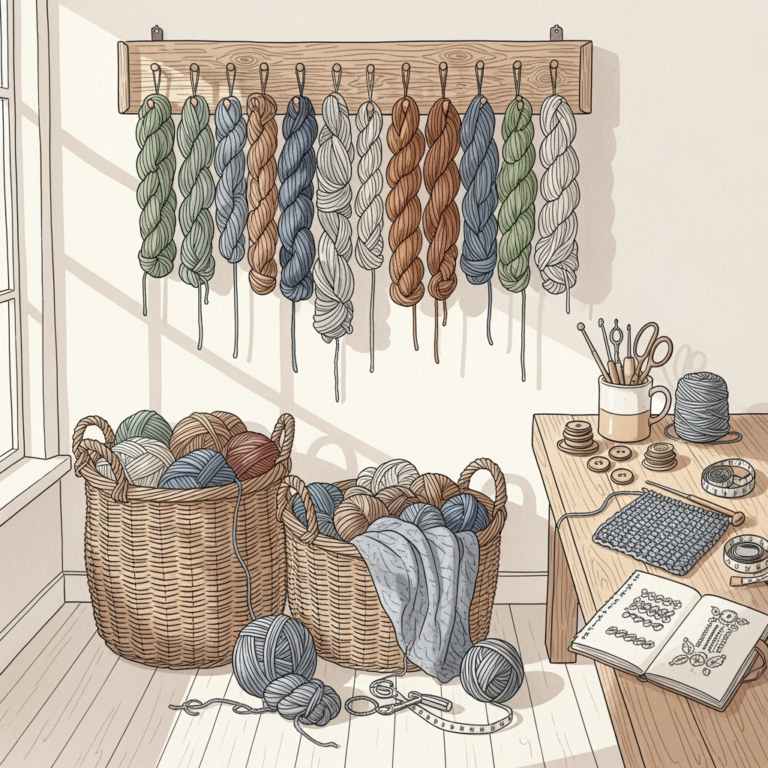
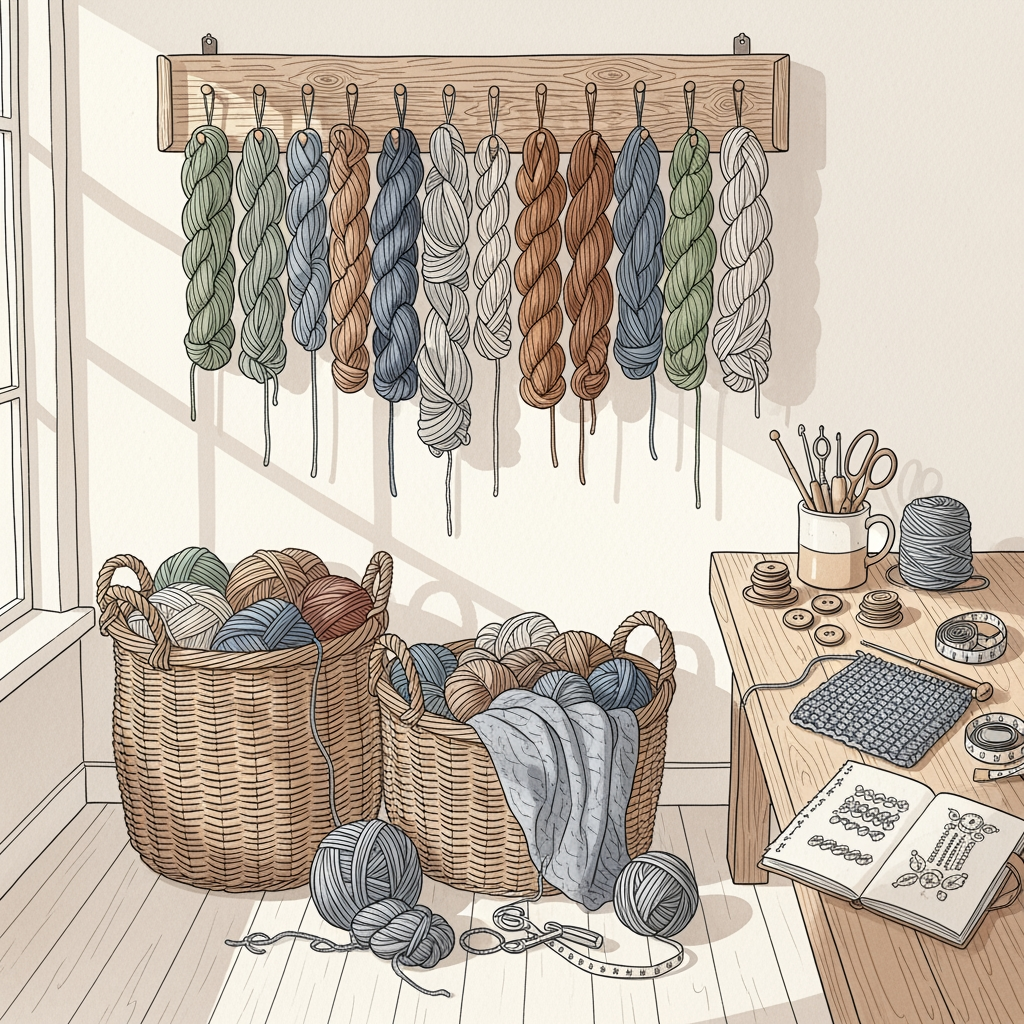
Displaying finished textile work requires the same intentionality as selecting the perfect yarn for a complex lace pattern. A well-chosen rail transforms a wall from a blank space into a curated gallery for hand-knitted tapestries, woven swatches, and heirloom blankets. Proper support ensures that heavy wool fibers do not stretch or distort under their own weight over time. These solutions provide structural integrity while letting the artistry of the stitches take center stage.
IKEA HULTARP Rail: Best Budget-Friendly Option


The HULTARP rail serves as the quintessential workhorse for those just beginning to collect display hardware. Its metal construction provides a sturdy foundation for lightweight swatches or circular knitting project bags. Because it is finished with a simple, utilitarian coating, it remains neutral enough to let vibrant, hand-dyed yarns stand out.
Budget-conscious makers often overlook the importance of hardware spacing, but the HULTARP allows for adjustable positioning of hooks. This flexibility is vital when rotating between a small, delicate lace doily and a chunkier, hand-spun cowl. The trade-off is a slightly more industrial aesthetic that may not blend with softer, cottage-core decor styles.
For a low-investment display, keep in mind that metal-on-metal friction can sometimes snag delicate fibers. Always ensure that the items hung on these hooks feature finished loops or sturdy ribbon ties. The HULTARP is the most reliable entry-point for keeping your workspace organized and your current projects visible.
Umbra Exhibit Rail: Best for Multi-Piece Displays
The Umbra Exhibit rail operates like a modular system, allowing for the simultaneous display of several smaller fiber art pieces. It is particularly effective for presenting a series of colorwork swatches or a collection of lace bookmarks. By using multiple clips, you can vary the tension and positioning of each piece across a single line.
This rail effectively mimics the process of “blocking” multiple swatches at once to compare gauge. It removes the need for individual framing, which saves both money and wall space. However, the spring-loaded clips require careful handling to avoid marking or crushing delicate fibers like alpaca or mohair.
If you choose this system, avoid hanging heavy items that might cause the rail to bow under pressure. It is an exceptional choice for those who view their fiber collection as an evolving exhibition rather than a permanent installation.
Modern Quilt Clamp: Best for Securing Quilts
Modern quilt clamps are specialized tools designed specifically for the weight and drape of larger textile pieces. Unlike standard rails, these clamps distribute the tension evenly across the entire top edge of a quilt or a heavy-gauge knitted blanket. This prevents the sagging and fiber fatigue that occurs when a piece is hung from a single center point.
When selecting a clamp, look for wood-based options that provide a gentle grip without sharp metal edges. Soft woods or finished hardwoods protect the integrity of delicate yarn fibers and prevent the “crushing” effect that can ruin the loft of a carefully blocked wool project. These clamps are ideal for heavy wool blankets where maintaining the structural drape is paramount.
Avoid using these on items with loose fringe or intricate, delicate surface embellishments that might get caught in the clamping mechanism. For heirloom-quality knitted blankets, a dedicated quilt clamp remains the gold standard for preservation and presentation.
Ferm Living Dora Stand: Best Minimalist Design
The Ferm Living Dora stand offers a departure from wall-mounted rails by utilizing a sleek, vertical floor presence. Its minimalist aesthetic focuses on clean lines, making it an ideal companion for contemporary studio spaces. It creates a “showcase” atmosphere, allowing you to drape finished shawls or throws with a natural, effortless fall.
This stand is designed for the knitter who prioritizes clean, uncluttered visual space. Because it is not wall-mounted, it offers the freedom to rearrange your display as your project lineup changes. The primary limitation is its fixed height, which might not accommodate floor-length tapestries.
Consider the weight distribution carefully to prevent tipping if you plan to hang particularly dense, wool-heavy projects. Choose the Dora stand if your priority is a high-design studio look that functions as a piece of furniture in its own right.
C&B Tate Shelf: Best Shelf and Rail Combo
The C&B Tate shelf integrates a storage rail with a top-mounted shelf, creating a multi-functional hub for the fiber arts enthusiast. This allows for a layered display: keep your favorite reference books or vintage yarn bowls on the shelf while hanging swatches or finished scarves from the integrated rail below. It maximizes utility in smaller rooms where wall space is at a premium.
This combination is perfect for those who want their fiber-related tools and finished objects in one cohesive area. By grouping these items, the shelf serves as both a functional station and an inspirational mood board. Ensure that the shelf is anchored into wall studs, as the combined weight of books and textiles can be significant.
The visual density of this unit works best when the shelf is styled sparingly. The Tate shelf provides the most comprehensive solution for makers who want their workspace to be as functional as it is beautiful.
Rejuvenation Brass Rod: Best for a Luxury Look
Rejuvenation’s brass rods introduce a level of sophistication that transforms a standard textile display into a true gallery installation. The warmth of the brass complements natural-toned fibers like wool, linen, and silk beautifully. These rods are constructed to last a lifetime, echoing the longevity of a well-cared-for hand-knitted garment.
When working with brass, consider the patina that will develop over time. This aging process adds character that matches the organic nature of fiber arts. Note that brass is heavy; it requires more secure mounting hardware than lightweight aluminum or plastic alternatives to hold the weight of complex, heavy-ply knitted projects.
Use a clear, non-toxic sealant if you are concerned about potential oxidation coming into contact with your fibers. This is the investment piece for a forever home where your most prized, time-intensive projects deserve a luxury presentation.
Custom Magnetic Hanger: Best Damage-Free Choice
Magnetic hangers use opposing magnets to sandwich the top edge of a textile piece, eliminating the need for clips, hooks, or pins. This is the safest possible way to hang fragile lace or delicate mohair garments because it exerts uniform pressure without puncturing the fibers. It is the ultimate solution for preserving the original state of a project after it has been carefully blocked.
These hangers are best suited for lightweight to medium-weight items. If a project is exceptionally heavy, the magnets may slip unless you add a small amount of textured fabric between the magnet and the yarn. They provide a clean, modern aesthetic that lets the textile appear as if it is floating against the wall.
Ensure you choose high-quality magnets, as cheaper, weaker versions will not hold the weight of a standard woolen swatch. If your goal is absolute preservation and a clean, modern look, the magnetic hanger is unmatched.
How to Choose the Right Rail for Your Space
Selecting the right rail depends on the density and weight of the textiles you intend to display. For heavy-gauge knitwear, prioritize fixed, wall-anchored systems that provide structural support. If your collection consists primarily of delicate, fine-gauge lace or small swatches, magnetic or clip-based systems offer the necessary versatility without putting undue stress on the yarn.
Always measure your wall height relative to the length of your textiles. A hanging piece should ideally hover just above the floor or furniture, allowing for a graceful, unobstructed drape. Consider the wall texture, too; standard drywall may require toggle bolts or heavy-duty anchors to prevent the rail from pulling out over time, especially when holding dense materials like alpaca or thick-ply wool.
Finally, evaluate your space’s humidity. Natural fibers like wool and cotton absorb moisture, which can increase their weight significantly in humid environments. Select hardware that can comfortably support at least 1.5 times the weight of your heaviest project to account for fluctuations in fiber density.
Mounting Your Display Rail: A Quick DIY Guide
Mounting is the most critical step in ensuring the safety of your fiber art. Start by finding a stud if the rail is meant to hold heavy blankets; if you must mount into drywall, use high-quality anchors designed for the weight of your expected collection. A level is non-negotiable—even a slight tilt will disrupt the clean, visual symmetry of a curated display.
Once the rail is secure, take a moment to consider the wall surface’s interaction with the rail’s finish. If the wall is textured, consider placing a small piece of felt behind the bracket to prevent scratching or shifting. Always tighten your hardware periodically, especially if you live in an area with temperature swings that can cause wood or drywall to expand and contract.
The goal is to create a secure, immobile foundation that lets the textile be the only thing that moves. If the hardware wobbles, the weight of the fiber will eventually pull it free, potentially damaging both your wall and your work.
Styling Your Rail: From Photos to Fiber Art
Styling a display rail is about balancing texture, color, and weight. For a cohesive look, group items by tonal palettes or by the season in which they were created. A great trick is to intersperse finished items with a single, unfinished swatch or a hanging hank of the yarn used for the project, which adds a narrative element to the display.
Space your items so that the air can circulate between them, which prevents the fibers from becoming “stuck” together or developing permanent creases. If you are hanging multiple pieces, start with the heaviest or longest item in the center and work outward. This creates a balanced, professional-looking gallery wall that feels intentional rather than cluttered.
Remember that light affects fiber color; avoid placing your rail in direct, harsh sunlight, which can fade natural dyes over time. Curate your rail like you curate your yarn stash—focus on quality, texture, and the story behind the stitches.
The art of displaying knitwear is just as fulfilling as the process of crafting it. By selecting the right hardware, you ensure that your hard work remains safe, preserved, and beautifully showcased for years to come. Whether opting for a sleek brass rod or a practical magnetic hanger, the perfect rail will honor the time and skill invested in every loop and stitch.