6 Best Wood Varnishes For Archival Protection To Consider
Preserve your woodwork with our expert guide to the 6 best wood varnishes for archival protection. Choose the right finish for your project and start reading now.
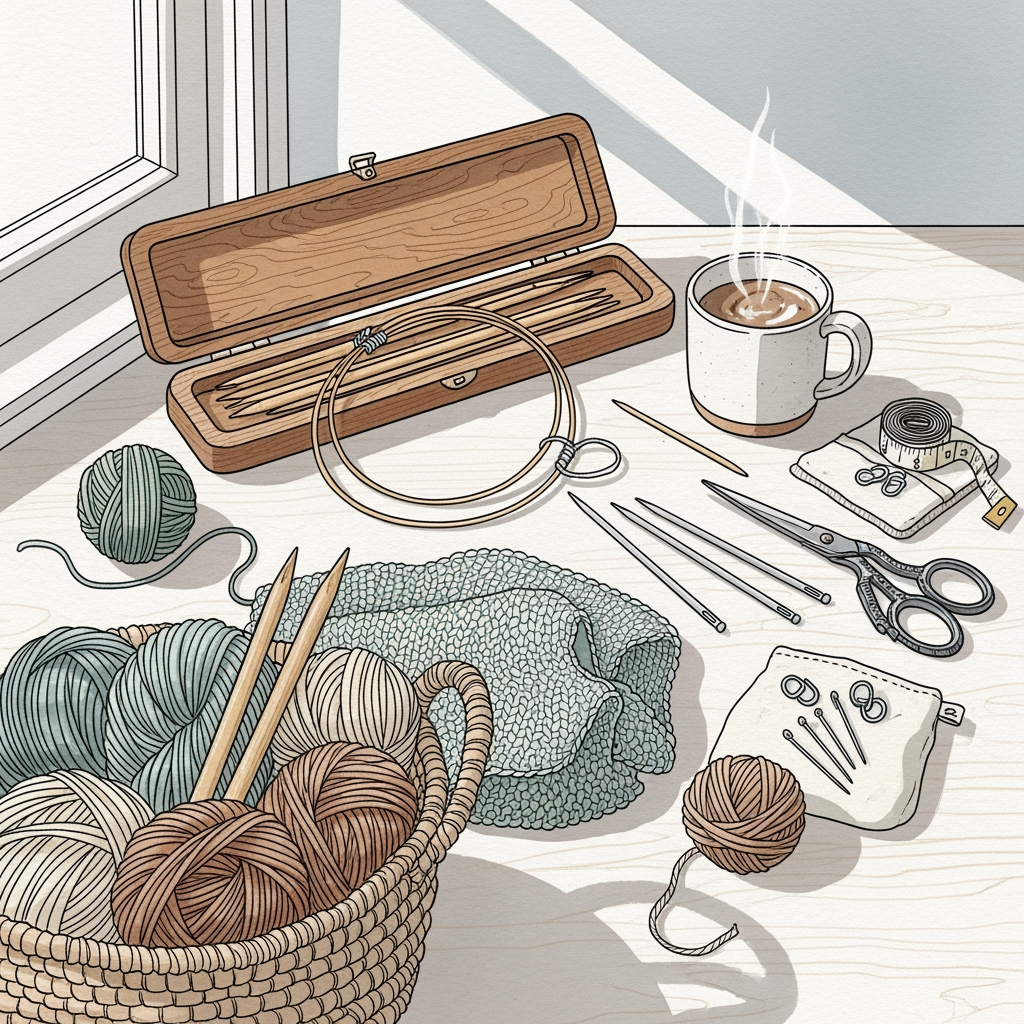
Preserving handcrafted knitting tools like wooden needles or crochet hooks is essential for maintaining their lifespan and performance. Over time, friction from constant contact with fibers can wear down wood, leading to tiny splinters that snag delicate yarn. Choosing the right finish transforms a standard wooden tool into a professional-grade instrument that glides through stitches effortlessly. This guide explores the best varnishes to protect your tools and ensure they remain smooth for a lifetime of knitting.
General Finishes High Performance: Best Overall


General Finishes High Performance is widely considered the gold standard for knitting needles and crochet hooks. This water-based topcoat offers a superior balance of durability and a crystal-clear finish that does not yellow over time.
It is particularly effective for light-colored woods, such as maple or birch, where maintaining the natural aesthetic is a priority. Because it dries quickly, it allows for multiple thin coats to be applied in a single afternoon, resulting in a glass-smooth surface that minimizes friction against high-twist wools.
The bottom line is that this product provides a professional-grade barrier that stands up to the natural oils from human hands. For needles used daily, this provides the most reliable protection against surface degradation.
Minwax Polycrylic Finish: Best for Beginners
Minwax Polycrylic is an accessible, water-based choice that is remarkably easy to apply with a simple foam brush. It levels out beautifully, which is vital for tool makers who want to avoid brush marks that could catch on fine lacework or silk blends.
This finish is ideal for those restoring vintage wooden needles that have lost their factory smoothness. Its low odor makes it a great choice for working in small spaces, like a craft room or home studio, without requiring heavy ventilation.
While it is slightly softer than commercial-grade resins, it is perfectly suited for occasional use tools. It provides a clean, clear layer that keeps your needles functional and protected without the steep learning curve of specialty wood oils.
Varathane Water-Based Poly: Top Durability
Varathane Water-Based Poly is engineered for high-traffic surfaces, making it a fantastic candidate for needles used in heavy-duty projects. If you frequently work with abrasive fibers like hemp, linen, or unspun wool roving, this finish offers the necessary resilience.
It creates a hard, protective shell that resists the scratching often caused by the tension of tight, gauge-heavy knitting. This extra layer of hardness ensures that the tool remains consistent in diameter, preventing the subtle surface changes that can lead to uneven stitch tension over time.
For knitters who invest in custom, hand-turned wooden needles, this provides the best insurance against wear. It is a robust option that keeps tools performing as well as they did on the day they were crafted.
Zinsser Bulls Eye Shellac: Classic Natural Pick
Shellac is a natural, resinous finish that has been used to protect wood for centuries, offering a warm glow that synthetic varnishes simply cannot replicate. It adheres exceptionally well to various types of wood, penetrating slightly to create a smooth, organic feel.
This is a fantastic option for antique needle collections or specialty wood tools where you want to maintain a traditional appearance. Because it is non-toxic once cured, it is often preferred by makers who are concerned about the materials their yarn touches.
However, note that shellac is sensitive to alcohol and heat, so it may not be the best choice for tools that spend time near tea or coffee stations. It requires a bit more maintenance than polyurethanes, but the trade-off is an unparalleled, tactile finish that feels “alive” in the hand.
Osmo Polyx-Oil Hardwax: Best Eco-Friendly Oil
Osmo Polyx-Oil combines the benefits of natural oils and waxes to create a finish that is both durable and incredibly pleasant to hold. Instead of forming a thick plastic film, it penetrates the wood fibers to nourish them from within.
This is the preferred choice for those who value the “woody” feel of a needle rather than the clinical smoothness of a synthetic coat. It allows the grain of the wood to shine through while providing a water-repellent, dirt-resistant surface that is easy to refresh.
If you are concerned about chemical off-gassing, this is the safest and most environmentally conscious path. It creates a soft, matte sheen that is perfect for needles used in relaxed, slow-craft projects.
Real Milk Paint Tung Oil: Best Penetrating Oil
Tung oil is a pure, food-safe finish that cures to a hard, water-resistant state, making it perfect for tools that see a lot of handling. Unlike varnishes that sit on top of the wood, pure tung oil soaks deep into the grain to harden and seal the needle permanently.
This finish is remarkably resistant to moisture, which is beneficial if you live in a humid climate where wooden tools tend to warp or swell. Once fully cured, it is completely inert and poses no risk to your fiber collection.
Applying this requires patience, as it needs ample drying time between coats, but the results are worth the wait. For a natural, deep-seated protection that won’t flake or peel, nothing surpasses the performance of pure tung oil.
Choosing Varnish for Your Fiber Art Tools
Selecting the right varnish depends heavily on the specific wood species and the intended use of the tool. Hardwoods like ebony or rosewood may only require a light oil, while softer woods like poplar or pine benefit significantly from the hard shell of a polyurethane.
Consider the “drag” factor as well; some finishes are intentionally slicker than others. If you prefer a fast, speed-knitting experience with lace-weight yarn, a high-build polyurethane will give you the slip you need.
Conversely, if you find your stitches falling off the needles too easily, a thinner oil-based finish may provide just enough surface friction to improve your control. Always test your chosen finish on a scrap piece of the same wood before applying it to your favorite tool set.
Water-Based vs. Oil-Based: Which Is Better?
Water-based varnishes offer faster drying times and easier cleanup, making them the default choice for most modern makers. They are typically clearer and less prone to yellowing, which keeps the original color of your wood vibrant.
Oil-based options, while requiring more drying time and mineral spirits for cleanup, often provide a deeper, richer finish. They tend to be more forgiving in terms of application, as they stay “open” or wet longer, allowing for better leveling across the surface of a slender needle.
The choice often comes down to your workspace ventilation and your desire for speed versus traditional aesthetics. For high-volume tool production, water-based is efficient; for individual, heirloom-quality pieces, oil-based is often superior.
Is Your Varnish Safe for Your Precious Yarn?
Ensuring that a finish is fully cured is the most critical step in protecting your yarn. A finish that feels dry to the touch may still be off-gassing or chemically active, which can transfer odors or sticky residues to high-end animal fibers like silk, mohair, or angora.
Always allow your tools to cure for at least 72 hours, or until any detectable odor is completely gone. If you are working with delicate white yarn, perform a “rub test” with a scrap of clean, damp white cloth to ensure no finish is transferring from the needle to the fabric.
When in doubt, prioritize finishes labeled as “food safe” or “low-VOC.” These provide peace of mind that your luxury yarns will remain as pristine as the day they were spun, regardless of how long they remain on your needles.
How to Apply Varnish for a Snag-Free Finish
Achieving a snag-free finish is all about preparation and thin, controlled applications. Start by sanding your wood with progressively finer grits—up to at least 400 or 600—before applying any finish to ensure the surface is perfectly uniform.
When applying the varnish, use a lint-free cloth or a high-quality synthetic brush to avoid introducing dust or fibers into the wet finish. Apply a very thin layer, let it cure fully, and then lightly buff with 0000 steel wool or a high-grit sanding sponge between coats.
This “sand, seal, and buff” technique is the secret to professional-grade needles. Multiple thin coats will always outperform a single thick coat, preventing the “gummy” build-up that can cause your yarn to snag mid-project.
Taking the time to seal and protect your knitting tools is an act of stewardship that pays dividends in the quality of your finished work. By selecting the right varnish and applying it with care, you ensure that your equipment remains a joy to use for many years to come.