6 Best Safety Goggles For Dust Prevention To Try
Keep your eyes protected with our top 6 picks for the best safety goggles for dust prevention. Discover the perfect pair for your workspace and shop today.
Whether working with high-shed mohair, processing raw fleeces, or simply managing the fine dust from large-scale yarn storage, airborne particles are a persistent nuisance in the studio. Protecting the eyes is just as critical as maintaining proper posture or lighting to ensure long-term comfort while crafting. Choosing the right safety goggles transforms a dusty, uncomfortable work environment into a clear, focused space for creativity. These six options represent the most reliable choices for keeping irritants at bay while working with delicate fibers.
DeWalt Concealer Goggle: Best Overall Seal
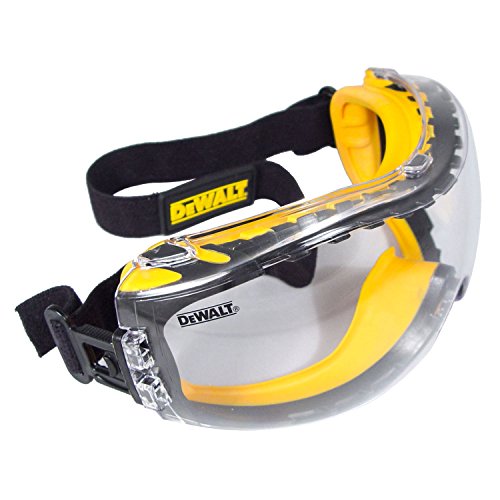

The DeWalt Concealer Goggle excels because it features a soft, dual-injected frame that contours precisely to the face. This creates a gasket-like seal that prevents even the finest dust particles—like those shaken loose when winding high-twist wool—from entering the eye area.
The strap system is robust and easily adjusted, ensuring that even if you spend hours manually picking chaff out of a raw sheep’s fleece, the goggles remain comfortable. While the seal is tight, the integrated ventilation channels prevent excessive heat buildup.
This is the preferred choice for intensive cleaning sessions where you need total isolation from your work environment. If you suffer from allergies to lanolin or dust mites found in natural fibers, the comprehensive seal is worth the slightly bulkier profile.
3M GoggleGear 500: Best for Anti-Fog Tech

Fogging is the primary enemy of visibility when you are hunched over a spindle or a spinning wheel. The 3M GoggleGear 500 utilizes a premium anti-fog coating that maintains clarity even during humid climate sessions or extended periods of physical exertion.
These goggles feature an indirect venting system that balances airflow with protection. This is vital when working with fibers that produce fine debris, such as raw cotton or brittle plant fibers, where constant clarity is necessary to inspect thread tension.
Because the anti-fog coating is durable, these goggles remain clear through long projects. While they are a higher investment, the trade-off is a significant reduction in the frustration caused by stopping to wipe condensation from lenses.
NoCry Safety Goggles: Top Ventilated Goggle
If your workspace is prone to overheating, the NoCry Safety Goggles provide a balanced approach to air circulation. The strategic vent design allows for consistent cross-ventilation, which keeps the face cool while still blocking large debris and fiber flyaways.
These goggles are lightweight enough to wear for the duration of a long finishing project, such as sewing together seams on a heavy cable-knit sweater. The soft, flexible frame conforms well to different facial structures, reducing the risk of pressure points.
They provide excellent peripheral vision, which is essential when multitasking between fiber preparation and operating equipment. While they offer less protection against microscopic dust than a fully sealed pair, they are superior for general studio maintenance.
Uvex Stealth Goggle: Fits Over Prescription Glasses
Many knitters and fiber artists wear prescription glasses, making finding compatible protective gear a consistent struggle. The Uvex Stealth is designed with a wide, deep profile that accommodates most standard optical frames without cramping or misalignment.
The Dura-streme lens technology provides dual protection, combining anti-fog and anti-scratch properties. This is a significant advantage when handling tools like wool carders or metal combs, where stray movements could easily scratch a lesser lens.
The strap is remarkably comfortable for all-day use, distributing pressure evenly across the temples. For those who wear glasses, this option avoids the common issue of the goggles pressing the frames into the bridge of the nose.
Pyramex V2G-Plus: Most Versatile Goggle/Glasses
The Pyramex V2G-Plus functions as a hybrid, allowing you to swap between an elastic strap and traditional temples. This versatility is ideal for fiber artists who switch frequently between different tasks, such as cleaning fleece and then sit-down knitting.
The inner foam padding provides a soft barrier against dust ingress while remaining breathable. It strikes a rare balance, offering more protection than standard safety glasses but less bulk than a professional-grade respirator-style goggle.
It is an excellent mid-point choice for those who do not require a heavy-duty seal but want more security than open-frame glasses. The design is sleek, ensuring that it does not feel overly invasive during precise, close-up work.
SolidWork Safety Goggles: Best Budget-Friendly Pick
SolidWork offers a reliable, no-nonsense solution that does not sacrifice essential safety features for a lower price point. They are constructed with a scratch-resistant coating and a flexible frame that sits securely on the face, effectively shielding the eyes from heavy dust.
These goggles are particularly useful for bulk fiber preparation, where you might need to equip multiple people or have a spare pair ready in your workshop. They are straightforward, durable, and perform exactly as expected under standard conditions.
While they may lack the high-end anti-fog coatings of more expensive models, they remain a top-tier choice for the budget-conscious maker. For a reliable, functional barrier against fiber dust, this is a highly capable and accessible option.
How to Choose the Right Goggles for Your Task
Selection should be based on the specific type of fiber prep or maintenance you are performing. If you are carding or picking raw wool, prioritize a model with a high-performance seal, like the DeWalt, to prevent fine organic debris from irritating the eyes.
For projects involving heat or humidity, such as steam-blocking or working in a non-climate-controlled shed, prioritize anti-fog technology like that found in the 3M GoggleGear. The ability to see clearly prevents errors in your work and reduces eye strain.
Always ensure the fit matches your facial geometry; if there are gaps around the nose or cheeks, the dust will find its way in regardless of the lens quality. It is often worth testing a few styles to see which frame best accommodates your specific bone structure.
Goggles vs. Glasses: Which Is Best for Dust?
Safety glasses provide basic protection from flying debris, such as a broken needle tip or a stray wire end. However, they lack the peripheral coverage and seal necessary to block fine airborne dust created by high-shed fibers like angora or unwashed raw fleece.
Goggles offer a physical barrier that surrounds the entire eye socket. This is non-negotiable for anyone dealing with fine particulate matter, as standard glasses allow air—and the dust it carries—to circulate directly behind the lenses.
Choose glasses for assembly or finishing work where dust is minimal. Switch to goggles whenever you are actively breaking down raw materials or cleaning workspace debris to maintain long-term ocular health.
Keeping Your Goggles Clear: Cleaning & Care Tips
Dusty goggles should be cleaned with a gentle, non-abrasive soap and lukewarm water. Never use harsh chemical cleaners or paper towels, as these will strip anti-fog coatings and leave fine scratches that impair visibility over time.
Always air-dry your goggles to prevent lint from cloths from sticking to the surface. Storing them in a protective pouch or a clean, dust-free container between uses will significantly extend the lifespan of the lens and the flexibility of the frame.
Periodically inspect the strap for signs of wear and the seal for degradation. Even the best goggles will lose their effectiveness if the foam or rubberized edge becomes cracked or loses its ability to form a complete vacuum.
Goggles for Fiber Prep: Why Dust Safety Matters
Fiber preparation—such as skirtings, skirting, and carding—is inherently messy. These processes release organic dust, dander, and microscopic plant fibers into the air, which can cause significant eye irritation, dryness, and allergic reactions.
Chronic exposure to fine fiber dust can also lead to long-term discomfort, making it difficult to maintain the focus required for complex colorwork or intricate lace patterns. Protecting your eyes is an investment in your ability to continue practicing your craft for years to come.
By integrating safety goggles into your fiber prep workflow, you safeguard your most valuable asset: your sight. A small change in equipment usage today prevents the cumulative irritation that can otherwise turn a passion for fiber arts into a frustrating, uncomfortable chore.
Protecting your eyes while preparing fiber ensures that your time at the spinning wheel or worktable remains a source of joy rather than physical irritation. With the right gear, you can keep your focus on the texture and beauty of your materials rather than the dust they create.