
6 Best Address Labels For Organized Correspondence
Streamline your mailing process with our top 6 best address labels for organized correspondence. Upgrade your personal or professional letters and shop our picks now.
Whether shipping a hand-dyed skein of merino wool or a finished lace shawl to a recipient, presentation matters as much as the stitches themselves. Organized correspondence reflects the care invested in the fiber arts, ensuring that the package arrives looking as professional as the work inside. Choosing the right label is a small logistical detail that, when done correctly, reinforces the quality of the handmade item. Reliable labels prevent shipping delays and build lasting trust with fellow makers and customers alike.
Avery Printable Labels: Best Overall for Versatility
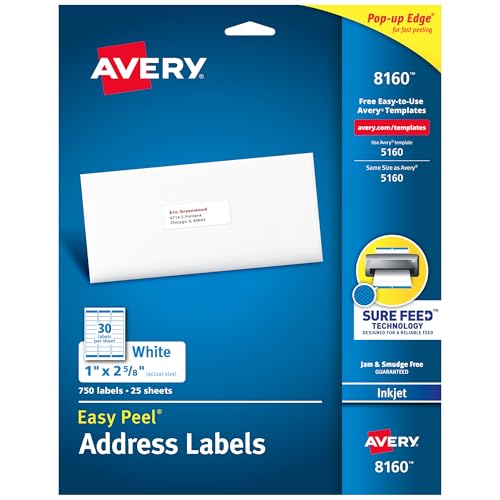

Standardizing the shipping process begins with the most accessible tool in the studio, which is the classic printable label sheet. These labels function like a well-stocked supply of basic bamboo needles: they are reliable, universally understood, and adaptable to almost any project size or weight.
The primary advantage lies in the software integration. Most office suites feature templates specifically mapped to Avery dimensions, meaning the alignment remains precise without manual adjustments. When juggling multiple orders of varying yarn weights—from bulky roving to gossamer-thin cobweb lace—this consistency keeps the packing process moving smoothly.
However, consider the printer type carefully before stocking up. Laser-compatible labels handle heat better, while inkjet-specific versions hold colors more vibrantly but may smudge if damp. Just as a moisture-wicking fiber requires different handling than a delicate silk, match the label material to the output capacity of the printer.
MOO Custom Stickers: Best for Branding Your Business

Branding serves as the maker’s hallmark, much like a signature stitch pattern or a proprietary yarn blend. MOO stickers allow for high-resolution graphics and professional finishes that convey an immediate sense of artisanal quality.
These labels excel when presentation is the priority. If a package contains a luxury garment, a high-quality matte or glossy sticker adds a layer of sophistication that standard white paper cannot replicate. It signals to the recipient that the item inside is a premium, deliberate creation.
The trade-off is cost per unit. For small-batch knitters, these are an investment in brand identity rather than a utilitarian office supply. Use these sparingly for final packaging to elevate the unboxing experience without inflating overhead costs excessively.
Dymo LabelWriter 4XL: Best for High-Volume Shippers
High-volume shippers require equipment that functions with the reliability of a high-speed ball winder. Thermal label printers like the 4XL eliminate the need for ink or toner, effectively removing the most common failure point in the printing process.
The 4XL model is particularly adept at handling the large-format dimensions required by major shipping carriers. If time is spent calculating yardage or managing inventory, the ability to print a shipping label in under two seconds is a significant return on investment.
Be aware that thermal labels are sensitive to heat and friction. While they are perfect for transit, they may fade if stored for years in direct sunlight. Keep records of shipment details digitally, as these thermal prints are intended for the journey, not for long-term archival storage.
Cricut Printable Vinyl: Best for DIY Custom Shapes
When standard rectangles feel clinical, custom shapes offer a personalized touch that mirrors the creativity of a hand-knitted design. Cricut printable vinyl allows for precision-cut labels that can be as unique as an intricate cables-and-lace stitch chart.
This approach is ideal for makers who already possess a cutting machine. It allows for the creation of labels that double as branded packaging seals, effectively securing tissue paper while providing essential mailing information. The vinyl material is significantly more durable than standard paper, resisting moisture during transit.
Be mindful that this process is labor-intensive. Printing, laminating, and cutting requires a specific workflow that can slow down shipping. Reserve this option for special gifts or high-end custom orders where the aesthetic impact justifies the extra time.
Custom Address Stamp: Best Eco-Friendly Alternative
A custom address stamp offers a timeless, tactile aesthetic that resonates with the traditional nature of knitting. Much like choosing a wooden needle for its grip and warmth, a stamp provides a grounded, manual connection to the act of sending a package.
The sustainability factor here is unmatched, as there is no waste associated with adhesive backings or synthetic plastic labels. Once the stamp is purchased, the only recurring cost is a small ink pad. It is the most economical and earth-friendly choice for the independent maker.
Ensure the ink used is archival and waterproof. If a package is exposed to rain, a water-soluble ink will bleed, potentially obscuring the address. Always test the stamp on a scrap piece of shipping paper to ensure a crisp, clear impression before applying it to the final package.
Vistaprint Roll Labels: Best Budget Bulk Option
Roll labels are the industry standard for efficiency and provide a clean, uniform look for bulk mailings. For the knitter who is regularly shipping out pattern packets or seasonal accessories, purchasing in bulk reduces the per-label cost significantly.
These labels typically arrive on a convenient dispenser, which helps maintain a tidy workspace. Organization in the studio is essential; when the needle stash is sorted by size and type, the shipping station should be equally orderly to avoid confusion during busy periods.
The primary limitation is the lack of individual data printing. These are best used for return addresses or branded stickers, while a separate printer manages the unique shipping data. Combine these with a standard thermal printer for a balanced, professional, and cost-effective shipping workflow.
How to Choose the Right Label for Your Shipments
Selecting the correct label requires balancing volume, branding, and durability. Start by auditing the weekly output: a knitter sending out five items a month has very different requirements than an independent dyer shipping fifty skeins.
- For high volume: Prioritize thermal printers to minimize consumable costs.
- For luxury branding: Invest in professional stickers or custom stamps.
- For irregular items: Use labels that adapt well to varied package sizes.
Consider the environment in which the package travels. If shipping internationally, the label must survive significant handling and variable climate conditions. Always test adhesion on the specific wrapping material being used, as some recycled papers require a more aggressive adhesive.
Designing Labels that Match Your Handmade Brand
Visual cohesion is vital for establishing a professional reputation. Use fonts and color palettes that mirror the aesthetic of the knitwear; a rustic, wool-heavy project pairs well with earthy tones and matte labels, while modern, sleek designs suit minimalist knits.
Keep the layout clean and legible. Legibility is the most critical function of an address label, regardless of the artistic flourishes. If the postal service cannot read the information, the craftsmanship inside remains hidden.
When designing, maintain a clear hierarchy of information. Ensure the recipient’s name and address are the largest elements, followed by return information. Decorative elements should frame the text, not compete with it for the reader’s focus.
Paper vs. Vinyl Labels: Which Should You Use?
Paper labels are the standard for most domestic shipping. They are highly compatible with ink, easy to recycle in most jurisdictions, and inexpensive to source. They are ideal for standard cardboard boxes or paper mailers.
Vinyl labels, conversely, provide superior resistance to moisture and tearing. If the shipping process involves frequent exposure to the elements, or if the package is wrapped in a way that requires the label to flex, vinyl is the safer choice.
The trade-off is environmental impact and cost. Vinyl does not break down as easily as paper and often comes at a price premium. Use vinyl when the structural integrity of the label is paramount, such as on a package that may sit on an open porch for an extended period.
Pro Tips for Printing Perfect Labels Every Time
A common frustration is ink smudging during the packing phase. To prevent this, allow labels to sit for a few minutes after printing before handling them, particularly with inkjet printers. Much like allowing a newly blocked garment to dry completely before pinning, rushing this step leads to distortion.
Always keep a backup supply of toner or ink. Running out of supplies midway through a shipping day is a significant hurdle that can delay important deliveries. Maintain a checklist of shipping supplies, including tape and packing material, alongside the yarn inventory.
Double-check the printer settings before a batch run. A misaligned label can result in wasted materials and missed zip codes. Conduct a single test print on plain paper first to verify that the margins align perfectly with the label stock.
Effective shipping is a craft in its own right, requiring the same attention to detail and patience as refining a complex stitch pattern. By aligning the choice of labels with the specific needs of the project and the workflow of the studio, the professional presentation of handmade work becomes a seamless final step in the creative process. Clear, reliable, and aesthetically considered labels ensure that the warmth and care put into every loop and knot reaches the recipient exactly as intended.