7 Best Beading Thread Conditioners For Preventing Tangles
Stop struggling with knotted jewelry projects. Discover the 7 best beading thread conditioners to prevent tangles and keep your stitches smooth. Read more now.
Beading thread, much like fine lace-weight yarn, possesses a stubborn tendency to knot, fray, and twist during intricate assembly. Without the right conditioning, hours of meticulous work can be derailed by a single, impossible tangle in the middle of a delicate design. Choosing the appropriate conditioner transforms the thread’s behavior, providing the slip necessary for smooth transitions while maintaining the structural integrity of the project. This guide explores the essential tools for mastering thread management to ensure consistent, frustration-free beading.
Thread Magic Round: The Best Overall Performer


Thread Magic occupies the top spot for its ability to reduce friction without leaving a heavy, waxy residue behind. It functions as a silicone-based conditioner that coats the fibers, preventing the static buildup that leads to those sudden, microscopic snags.
For projects involving complex seed bead weaving or multi-pass techniques, this product remains the gold standard. It does not discolor delicate silk threads or accumulate inside the eyes of small needles, ensuring the thread glides through beads effortlessly even after dozens of passes.
The primary benefit lies in its consistency, as it maintains its properties in both high humidity and arid climates. While it provides excellent slip, it is important to note that it lacks the “tack” of natural wax, meaning knots may require an extra turn to stay secure.
Natural Beeswax: The Top Eco-Friendly Option
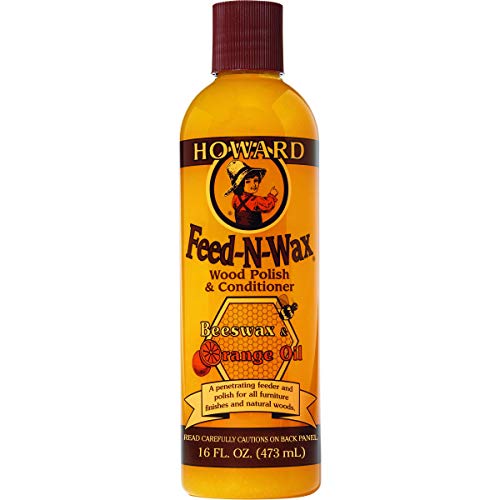
Beeswax serves as the traditional choice for beaders who prefer a natural, organic approach to thread management. It offers a unique level of grip that synthetic conditioners simply cannot replicate, making it ideal for securing knots or adding friction to slippery nylon cords.
Applying wax creates a slight barrier against moisture and environmental wear. If working with natural fibers like silk or linen, this creates a protective seal that prevents premature fraying during the assembly of heirloom-quality pieces.
However, wax is temperature-sensitive and can become brittle in cold environments or excessively sticky in direct heat. Use it sparingly to avoid buildup on the beads themselves, which can dull the luster of certain stones or glass finishes.
Beadalon Conditioner: A Trusted Beading Staple

Beadalon’s specialized conditioner is formulated specifically for the high-tension demands of bead stringing. It is designed to act as a lubricant that eases the passage of thread through sharp-edged crystals and metal findings.
This conditioner excels when working with heavy-duty cords or wire-wrapped techniques where abrasion is a significant concern. By minimizing internal friction, it prevents the thread from rubbing against itself and snapping prematurely at the connection points.
The packaging is built for the workbench, featuring a convenient slot that allows for an even coating without messy fingers. For those who prioritize durability and longevity in their jewelry, this is a dependable, no-nonsense selection.
SewFine Thread Gloss: Best for Scented Projects
SewFine Thread Gloss stands out by combining effective fiber conditioning with artisanal, pleasant scents. While the utility of the wax remains the core focus, the addition of fragrance makes long hours of repetitive bead-weaving significantly more enjoyable.
The texture is slightly softer than traditional beeswax, which allows for a smoother, thinner application on fine threads. This is particularly advantageous when working with tiny needles that have minimal eye space, as it prevents the conditioner from clogging the opening.
Because it utilizes high-quality natural ingredients, it is gentle on both the fiber and the skin. It serves as an excellent choice for makers who find the industrial odor of some synthetic conditioners distracting during meditative projects.
Micro-Crystalline Wax: The Archival-Quality Pick
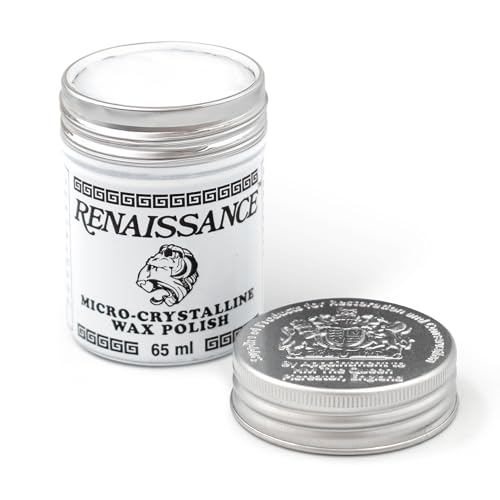
Micro-crystalline wax is a synthetic, high-purity alternative that offers unparalleled stability over time. It is the choice for archival work, as it does not oxidize, turn yellow, or become rancid as some natural animal-based waxes might after years in storage.
Because it is harder and more stable, it acts as a superior sealant for thread ends. It provides a clean, clear finish that remains invisible, making it the preferred option for clear-monofilament threads where aesthetic perfection is mandatory.
The tradeoff is its firm consistency, which requires a bit more effort to apply evenly. It is best suited for advanced beaders who require a precise, long-lasting hold that will withstand the test of time.
Soya Wax Conditioner: The Ideal Vegan Alternative
Soya wax provides a plant-based solution for those avoiding animal products or looking for a cleaner, renewable ingredient list. It offers a smooth, silky feel that reduces drag through tight bead holes while maintaining a soft, flexible thread hand.
It is particularly effective with synthetic threads that can be prone to “looping” or static-induced tangles. The soya formula provides just enough weight to keep the thread pliable and manageable, preventing the “springy” quality that often frustrates those using nylon cords.
While it lacks the extreme stickiness of bees, it provides excellent long-term performance. It is an outstanding choice for eco-conscious makers seeking a sustainable material that does not compromise on functional performance.
Thread Heaven: The Classic and Its Successors
Thread Heaven was long regarded as the pinnacle of thread conditioning, known for its ability to make thread behave as if it were lubricated with liquid silk. While the original brand has seen changes in availability, its legacy lives on in the current generation of synthetic conditioners that mimic its signature slip.
These products are characterized by their ability to prevent “pilling” on threads that have been passed through beads multiple times. By smoothing the microscopic surface of the fiber, they ensure that the thread remains as strong at the end of the project as it was at the beginning.
When choosing a modern successor, look for products labeled as archival and acid-free to ensure they do not damage the integrity of the beads or the thread over time. The goal remains the same: eliminating the friction that causes breakage.
Choosing a Conditioner: Wax vs. Silicone
Understanding the distinction between wax and silicone is essential for matching the conditioner to the project. Waxes provide friction and structure, making them ideal for holding knots in place and adding body to soft threads.
Silicone conditioners prioritize movement, reducing drag to the absolute minimum. If the project requires rapid weaving with many beads per pass, a silicone-based product will significantly speed up the workflow by preventing the thread from catching on the edges of the beads.
- Choose Wax if: You are working with natural fibers, securing delicate knots, or need extra structure for beadwork shapes.
- Choose Silicone if: You are working with synthetic threads, high-speed weaving, or fragile beads that scratch easily.
How to Correctly Apply Thread Conditioner
Correct application is the difference between a smooth project and a sticky, ruined piece. Always pull the thread through the conditioner in one fluid, controlled motion rather than bunching it up in the wax.
For optimal results, run the thread through the conditioner and then pull it between your thumb and forefinger to distribute the product evenly. This ensures that only a thin, invisible layer remains on the thread, preventing the excess buildup that attracts dust and dirt.
If the thread feels tacky or looks cloudy after application, wipe it gently with a soft cloth before stringing. A little bit goes a long way, and excess product is the primary cause of bead dulling or clogged needles.
Natural vs. Synthetic: Which One Is for You?
The decision between natural and synthetic often comes down to the desired “hand” of the final piece. Natural waxes maintain a bit of the thread’s original character, whereas synthetics create a more uniform, slippery finish that can be easier to manage for beginners.
Consider the climate where the work is stored, as heat can melt natural waxes while synthetic formulas remain stable. Furthermore, consider the material being used; natural threads often respond better to the organic nature of beeswax, whereas nylon or monofilament threads benefit from the chemical compatibility of silicone-based conditioners.
Ultimately, the best approach is to test a small sample of the thread with the chosen conditioner before committing to a large, expensive project. The right conditioner should be invisible to the eye and imperceptible to the touch, leaving only the memory of how easily the needle passed through the beads.
Mastering thread conditioning is a hallmark of the experienced maker, separating those who struggle with their materials from those who command them. By selecting the right product for your specific fiber and project goals, you ensure that every stitch and stringing pass is as smooth as possible. Happy creating.