6 Hot Glue Sticks For Quick Feather Attachment
Find the best hot glue sticks for quick feather attachment with our expert guide. Discover top-rated adhesives for your craft projects and start creating today.
Feathers add a dramatic, tactile finish to everything from decorative pillows to elaborate costume accessories. Achieving a seamless attachment requires an adhesive that balances immediate grip with the delicate nature of avian quills. When working with luxury fibers or intricate fabric bases, the wrong glue can cause unsightly buildup or thermal damage. These selections ensure that a handmade embellishment stays secure without compromising the integrity of the textile.
Gorilla Mini Glue Sticks: Best for Durability
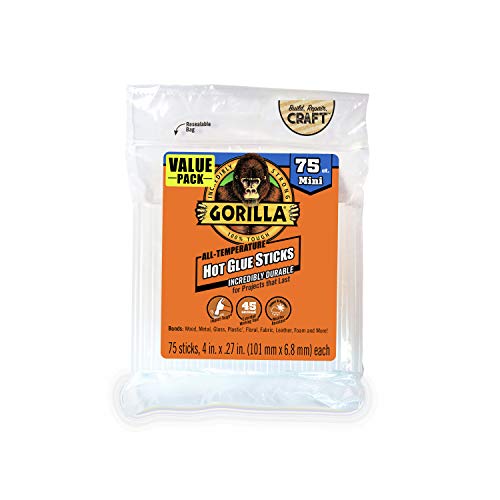

Gorilla brand glue sticks are engineered for high-impact bonding and structural integrity. When attaching feathers to a rigid base like a fascinator hat or a heavy wool felt display, the strength of this adhesive is unmatched. It resists vibration and handling, which is critical for wearable art.

However, durability comes with a trade-off in texture. These sticks tend to dry slightly thicker than other formulations, which may create a bump if applied to fine silk or lightweight mohair. Ensure the quill is deeply embedded in the glue pool to prevent snagging on loose stitches.
For projects destined for heavy wear or frequent transport, this is the reliable choice. It holds firm even when the project is subjected to minor fluctuations in temperature or moisture.
AdTech Multi-Temp: The Crafter’s Go-To Choice
AdTech sticks are staples in design studios because they bridge the gap between various surface types. The formulation flows smoothly, making it ideal for precision work where the glue must penetrate the base fabric to wrap around the quill base.
This versatility is a significant advantage when moving between different materials, such as attaching feathers to a chunky knit cowl or a smooth satin ribbon. The curing time is moderate, providing just enough window to adjust the feather’s angle before the bond sets.
While not as aggressive as heavy-duty industrial glue, it is perfect for the average fiber artist. It balances longevity with ease of use, ensuring the glue line remains relatively flat against the fabric.
Surebonder All-Temp: Most Versatile Option
The Surebonder All-Temp stick is designed to perform in both high and low-temperature glue guns. This is particularly useful for fiber artists who rotate between delicate delicate mohair lace and robust upholstery fabrics.
Low-temp settings are essential when working with synthetic fibers that might melt under high heat. By switching to the low-temp setting, the risk of damaging fine yarns while maintaining a clean, thin line of glue is minimized.
This flexibility makes it a must-have for a well-stocked craft room. Always check the heating element on the gun, as this stick’s performance is highly dependent on the gun’s ability to maintain a consistent, steady melt flow.
Arrow All-Purpose Sticks: A Reliable Workhorse
Arrow sticks offer a straightforward, no-nonsense adhesion that is ideal for large-scale projects. If the task involves attaching hundreds of feathers to a backdrop or a long, flowing garment, these sticks provide consistent output without excessive stringing.
The bond is standard and reliable, behaving predictably on most natural fibers like cotton and linen. Because the formula is quite stable, it does not become overly brittle after curing, which prevents the quill from snapping off during movement.
While it lacks the specialized “low-temp” flexibility of other brands, its reliability at standard heat settings is excellent. It is a solid choice for the maker who wants a consistent, predictable result without complicated temperature management.
Elmer’s CraftBond: Best for Mixed Media Crafts
Elmer’s CraftBond is specifically formulated to bond to porous materials, making it a dream for knitters working with textured yarn bases. Its chemical composition allows it to sink into the ply of the yarn, creating a mechanical interlock that holds better than surface-level adhesives.
This is highly effective for bulky wools or novelty yarns where the feather quill needs a deep grip. The adhesive is known for being slightly more flexible once dried, which prevents the “stiff” feeling common with inferior hot glues.
If the project involves mixing hard elements like beads or sequins with feathers, this adhesive excels at managing the different suction rates of the materials. It is the sophisticated choice for high-end fiber embellishments.
Aline’s Ultimate Sticks: For a Super Strong Bond
Aline’s Ultimate formula is designed for heavy-duty applications where the feathers may be subject to pulling or snagging. This stick provides a high-tack, fast-setting bond that minimizes the time needed to hold the feather in place.
It is particularly useful for heavy, quill-based feathers that have a natural tendency to peel away from the project surface. The increased bond strength ensures the quill remains flush with the base, providing a professional, finished look.
Exercise caution with delicate, gossamer-thin fabrics, as the strength of this glue can be difficult to remove if misplaced. It is recommended for use on sturdy backings where maximum security is the priority.
Choosing a Glue Gun for Delicate Feather Work
The choice of glue gun is just as important as the adhesive stick itself. For feather work, a precision-tip or “fine tip” nozzle is indispensable. This allows for the application of tiny, controlled dots of glue rather than large, messy dollops.
Always look for a gun with an integrated stand or a flat base to keep the hot nozzle away from your project. Even a second of accidental contact between a hot nozzle and a mohair or silk yarn can cause permanent surface damage or unsightly scorching.
If you are working on a multi-hour project, opt for a corded gun with a power switch. This prevents the unit from overheating during lulls in production, which preserves the viscosity of the glue and the longevity of the tool.
High-Temp vs. Low-Temp: What’s Best for Feathers?
The golden rule for feathers is to keep temperatures as low as possible while still achieving a liquid state. High-temp guns are designed to bond hard materials like metal or wood, and they can easily scorch delicate plumage or melt synthetic yarns.
Low-temp settings (around 250°F) provide enough heat to melt the adhesive to a working consistency without risking the structural integrity of your fiber. This lower heat also helps the glue set slightly faster, which is beneficial when you need to hold a feather in place for a quick bond.
If the feather quills are particularly thick or woody, a mid-range temperature might be necessary for proper penetration. However, always test the heat on a scrap of yarn first to ensure no color bleeding or fiber distortion occurs.
How to Attach Feathers Without a Gloppy Mess
The secret to a professional feather application is “less is more.” Apply a small, thin bead of glue directly to the base of the quill, not to the yarn itself. If the glue is applied to the fabric, it will inevitably spread and leave a shiny, hardened patch that disrupts the stitch pattern.
To avoid stringy cobwebs of glue, give the gun a quick, deliberate twist at the end of each application to break the flow cleanly. If you do end up with unwanted strings, allow them to cool completely before attempting to remove them; they often pull away cleanly once cold.
When pressing the feather onto the project, use a wooden skewer or a knitting needle tip to hold it in place. This avoids getting hot glue on your fingers and allows for precise positioning of the feather against the texture of the yarn.
Safety First: Working with Your Hot Glue Gun
Hot glue burns are common, but they are entirely preventable with the right habits. Never lay the glue gun on its side, as the heat can build up in the casing and the glue will continue to leak.
Keep a bowl of ice water nearby as a safety precaution. If you happen to touch a bead of hot glue, immediately plunging the finger into cold water will set the glue instantly and minimize thermal damage to the skin.
Always work in a well-ventilated area, as some adhesives can release mild fumes when heated. By treating the tool with the same respect you grant your favorite pair of vintage needles, you ensure your crafting space remains safe and productive.
Selecting the right adhesive for your project is the final step in ensuring that your hard-won knitting or crochet work is finished to the highest standard. By matching the glue stick to the specific requirements of your fibers and feathers, you create a lasting piece that retains its beauty through every wear. Take the time to test your chosen adhesive on a swatch before committing to the final application, and enjoy the polished, professional result.