6 Best Book Wedges For Comfortable Sewing Angles
Improve your posture and precision with these 6 best book wedges for comfortable sewing angles. Shop our top picks to enhance your sewing setup today.
Hours spent hunched over a complex lace chart or a dense stranded colorwork pattern can quickly transform a relaxing craft into a source of chronic neck pain. Proper ergonomics in the sewing or knitting space starts with elevating patterns to eye level, preventing the dreaded “crafter’s hunch.” Finding the right book wedge or stand is not just about convenience; it is a vital step in preserving posture for years of project longevity. The following recommendations focus on tools that secure your materials at optimal angles, allowing you to focus on stitch tension rather than physical discomfort.
The Book Seat Book Holder: Best Overall Versatility


The Book Seat functions as a beanbag-style pillow that molds itself to any surface, whether it is an uneven armchair or a cluttered cutting table. Its primary advantage lies in the flexible base, which allows for perfect positioning regardless of the workspace setup.
When navigating heavy pattern books or thick instructional manuals, this wedge provides a stable, cushioned platform that prevents slippage. The inclusion of a clear acrylic page holder ensures that pages stay flat, even when the book’s binding is stiff or prone to closing on its own.
This tool excels for those who frequently switch between different sewing stations or enjoy working in various spots around the home. While it lacks the rigid height of a metal stand, the stability it provides on laps and soft furniture is unmatched.
Prop-It Book Rest: Best for Large Quilting Books
Large format quilting books and intricate pattern collections often feature heavy-duty binding that resists staying open. The Prop-It Book Rest uses a fold-out design that offers a wider footprint, specifically engineered to support the weight of these bulky volumes.
The adjustable tension of the Prop-It allows it to accommodate everything from thin, single-sheet pattern printouts to dense, hardcover technique bibles. Because it is lightweight and folds flat, it integrates easily into a project bag without adding significant bulk.
This stand is ideal for sewists who require a taller viewing angle to keep their eyes level with complex diagrams. For those working on long-term projects, the ability to prop a heavy book securely at a steep angle is a game-changer for neck alignment.
Hog Wild Peeramid Bookrest: Most Stable Pillow
The pyramid shape of this rest offers a low center of gravity that keeps even the thickest hardcover books from tipping over. It acts as a weighted wedge, anchoring itself firmly on a desk or a sewing table through its clever structural geometry.
Unlike some fabric-only rests, the Peeramid provides a firm support structure that maintains its shape over years of use. It is particularly effective for sewists who prefer to have their pattern positioned at a slight tilt rather than a steep vertical, reducing glare from overhead studio lights.
Because it does not have clips or elastic straps, it relies on the book’s own weight to stay in place. This makes it a fantastic choice for those who frequently need to flip pages quickly without fighting against mechanical page holders.
Gimme-A-Clue Pattern Holder: Top Pattern Specialist
Many sewing patterns come in the form of individual, loose-leaf sheets that are notoriously difficult to keep upright on traditional stands. The Gimme-A-Clue system is designed specifically to handle these non-book formats by providing a dedicated ledge and surface area.
By utilizing a wide, flat back, it keeps single patterns completely unfolded, allowing the user to view the entire instruction set at once. This visibility is crucial when cross-referencing cutting lines or complex assembly steps.
It minimizes the need to pick up and put down paper, which in turn reduces the risk of accidental creases or spills on your hard-won pattern pieces. It is the definitive choice for the sewist who works primarily with folded tissue or modern PDF patterns.
Book Beau Book Bean: Most Stylish and Portable
The Book Bean combines a minimalist, fabric-based beanbag approach with a high level of aesthetic appeal. It is designed for those who value both form and function in their sewing space, fitting easily into a project bin without looking like a clunky piece of office equipment.
Portability is the standout feature here, as the beanbag base is lightweight and incredibly soft to the touch. It is less about rigid height and more about creating a comfortable viewing incline that feels natural on a workbench.
For the sewist on the go who attends workshops or retreats, this accessory keeps patterns accessible without occupying precious table real estate. While it may not offer the extreme height of a desk stand, its utility for low-profile pattern viewing is excellent.
KLIFFHÄXA Book Stand: Best Budget IKEA Find
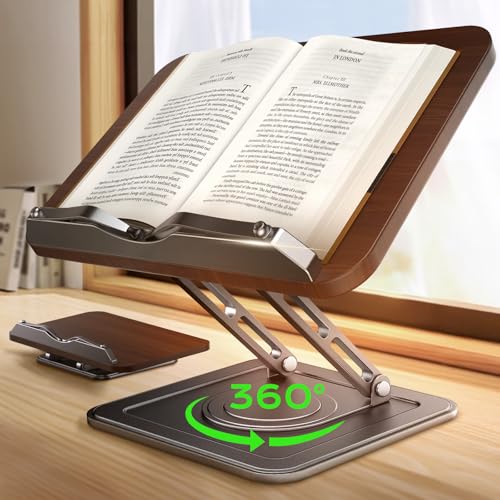
When the goal is simplicity and a low price point, this metal stand proves that expensive gear is not always necessary for effective ergonomics. It offers a straightforward, adjustable-angle design that holds most books securely via a simple bottom ledge.
The metal construction provides a rigid support that won’t sag or lose its angle under the weight of a heavy book. Because it is made of metal, it is also magnetic-compatible, allowing for the easy use of magnetic clips to hold pages open.
It is an excellent entry-level option for anyone just beginning to prioritize their posture during long sewing sessions. While it lacks the cushion of a pillow-style wedge, its slim profile makes it incredibly easy to store away when not in use.
Choosing Your Wedge: Pillow vs. Rigid Stands
Selecting between a pillow wedge and a rigid stand depends largely on the surface where the sewing takes place. Pillow wedges are superior for irregular surfaces, such as sofas or beds, where a rigid base would wobble.
Rigid stands, conversely, provide a consistent, non-moving eye level that is generally better for intense, detail-oriented work. If the project involves fine-tuning small details like embroidery or intricate stitching, a rigid stand usually offers better focus and less eye strain.
Always consider the weight of the reference materials being used. Heavier books require a wider, more structured support, while lightweight instructions work perfectly well with softer, more flexible options.
Why Sewing Angle Matters for Your Neck and Back
Prolonged forward-leaning, often called “text neck,” causes significant strain on the cervical spine and surrounding musculature. By bringing the pattern to eye level, the head remains in a neutral position, which significantly reduces the stress on the neck.
When the head is tilted down for hours, the muscles of the upper back and shoulders compensate, leading to fatigue and reduced sewing accuracy. A proper wedge turns a physical struggle into a comfortable, sustainable practice.
This adjustment is not just about short-term comfort; it is about preventing long-term repetitive strain injuries. Investing in a tool that corrects your angle pays dividends in the form of more productive and enjoyable hours at the machine.
Using Magnets to Keep Your Place on the Page
For those using rigid stands, magnets serve as the ultimate insurance against losing one’s place during a complex sewing step. Many metal stands are naturally magnetic, but even those that are not can be easily outfitted with adhesive magnetic strips.
Using magnetic page markers allows the sewist to isolate the specific line of instructions currently being executed. This reduces the cognitive load of constantly finding the correct place on the page after looking down at the needle.
This technique is particularly useful for patterns with dense text or tiny print, where visual fatigue is common. Keeping the eyes locked on the current instruction ensures that mistakes in sequence are kept to a minimum.
DIY Book Wedge Ideas for the Frugal Crafter
If store-bought solutions are not immediately available, common household items can often serve the same purpose. A firm bed pillow propped behind a heavy cutting board creates a makeshift, yet effective, incline.
Small, heavy decorative objects or doorstops can also be used to create an angle for a book if placed on a flat, non-slip surface. Furthermore, using a simple binder clip to hold a book open while propping it against a sturdy canister is a classic, low-cost hack.
While these DIY solutions lack the refined ergonomics of professional tools, they are excellent for testing what height and angle work best. Once the preferred viewing angle is determined, upgrading to a dedicated stand will provide even greater stability and ease of use.
Creating a dedicated, ergonomic space for your patterns is a simple yet transformative upgrade for any sewing or knitting studio. Whether choosing a firm, weighted wedge or a tall, adjustable metal stand, the goal remains the same: comfort that allows creativity to flourish without physical strain. By investing in these small, practical tools, you ensure that your focus stays on the fabric, the tension, and the craft rather than the clock.