6 Best Professional Brushes For High-End Textiles
Discover the 6 best professional brushes for high-end textiles to keep your luxury fabrics pristine. Shop our top-rated selection and improve your care routine.
Maintaining high-end textiles requires as much intentionality as the knitting process itself. A beautiful hand-knit sweater can lose its luster quickly if pilling is ignored or handled with the wrong tools. Investing in quality maintenance gear ensures that hours of labor remain pristine for years. The following guide highlights the best brushes and tools to keep precious fibers looking brand new.
Kent CP6 Cashmere Brush: The Gold Standard


The Kent CP6 is widely regarded as the pinnacle of garment care for a reason. Its construction features fine, natural white bristles that gently lift fibers without causing the mechanical stress often seen in cheaper alternatives.
This brush excels on delicate, luxury fibers like cashmere, vicuña, and high-quality merino wool. Because these fibers are often spun into yarns with a lower twist, they are particularly prone to matting and pilling; the CP6 works to realign those fibers rather than simply cutting them away.
For the serious knitter, this tool is an investment in longevity. Using it regularly prevents pills from becoming anchored into the yarn structure, saving the garment from more aggressive, fiber-removing interventions later.
Gleener Fuzz Remover: The Most Versatile Tool

The Gleener is a unique hybrid, offering three different edges designed for varying fiber weights and intensities. It bridges the gap between a manual brush and an electric shaver, providing the user with total tactile control.
This tool is exceptionally useful for those who maintain a varied wardrobe of hand-knits. One edge handles heavy, chunky wool cables, while the most delicate edge is safe enough for lighter-weight alpaca or mohair blends.
Having one tool that adjusts to the stitch definition of different garments is a significant space-saver. It removes the guesswork associated with using a single-method tool on wildly different yarn weights, like moving from a delicate lace weight shawl to a dense, worsted weight cardigan.
The Laundress Sweater Stone: Best Natural Depiller
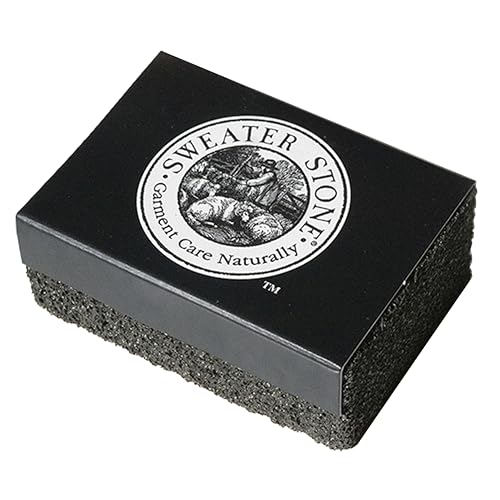
The Sweater Stone is a natural, porous volcanic rock that gently abrades away pilling. It is essentially an exfoliating tool for your knitwear, lifting surface fuzz through light friction.
This tool is best suited for heavy-gauge, natural fibers like traditional wool or sturdy lambswool. Because it relies on a sanding action, it is not recommended for delicate, silky fibers that might snag on the stone’s textured surface.
When using a sweater stone, keep the stroke light and consistent. It works by grabbing the pills and pulling them off the surface of the stitch, effectively smoothing the halo of the yarn without the risk of cutting through the yarn strand itself.
Conair Fabric Shaver: Best Budget Electric Pick

Electric fabric shavers represent the most efficient way to remove stubborn, deep-seated pills. The Conair model is a consistent performer, featuring a rotary blade behind a protective screen that snips pills clean off the fabric surface.
This is the preferred choice for mass-produced, superwash wools that may be prone to persistent pilling due to the nature of the chemical treatment. It is also highly effective on tight-gauge, machine-knitted items where the structure is less likely to be damaged by the blade.
Use caution when applying this to delicate hand-knits, especially those with intentional texture or loose tension. Always test on an inconspicuous area first to ensure the screen doesn’t pull at the fiber loops.
Redecker Beechwood Brush: Best for Delicate Knits

The Redecker Beechwood Brush focuses on fiber preservation through high-quality, natural bristles. Its ergonomic handle allows for a steady, rhythmic motion that is essential for grooming fine garments.
This brush is specifically effective for items made from soft, airy fibers like mohair or angora. Rather than cutting, it brushes the fiber nap in the correct direction, keeping the garment’s surface from looking tired or matted.
For those who prioritize the “bloom” of a sweater—the soft, fuzzy halo that develops after blocking—this brush is essential. It cleans away dust and surface debris while encouraging the fiber to lift and maintain its soft hand feel.
D-Fuzz-It Sweater Comb: Best for Tightly Woven
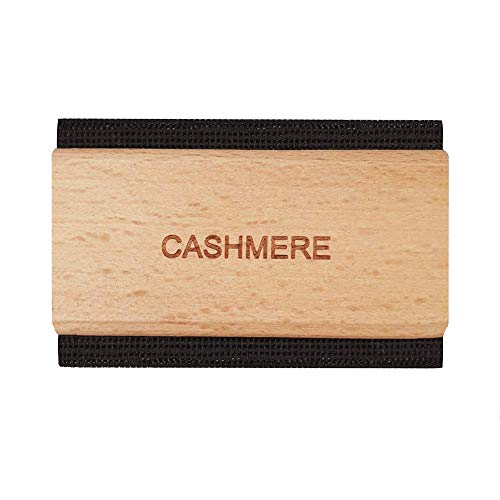
The D-Fuzz-It comb is a simple, mechanical device featuring a metal mesh screen. It works by pulling the fabric taut across the metal teeth to catch and remove pills.
This tool is highly effective on tightly spun, multi-ply yarns that have a very flat, smooth surface. It is less effective on chunky, loose-ply yarns where the comb teeth might catch the yarn plies and inadvertently pull them.
Because it is small and portable, it is an excellent choice for a knitting bag. It allows for quick, on-the-go maintenance during a commute or a knitting circle, provided the fabric density is sufficient to withstand the metal teeth.
How to Choose a Brush for Your Specific Fiber
Selecting the right tool depends entirely on the fiber content and the spinning method of the yarn. A general rule of thumb is to match the aggressiveness of the tool to the durability of the fiber.
- For Delicate/Luxury Fibers (Cashmere, Silk, Mohair): Choose natural bristle brushes that groom rather than cut.
- For Sturdy, High-Twist Wools: Mechanical combs or sweater stones provide the necessary friction to remove pills without damaging the strand.
- For Superwash or Synthetic Blends: Electric shavers are often the most effective, as these fibers are engineered for higher abrasion resistance.
If the fiber is high-halo, like mohair, avoid all cutting tools. Cutting will permanently ruin the soft, ethereal texture that characterizes these luxury fibers.
Fabric Shavers vs. Brushes: What’s the Difference?
The fundamental difference lies in the mechanism: shavers cut, while brushes groom. Shavers use a blade to sever the pill from the fabric, while brushes use friction to pull the pill away or realign the surface nap.
Shavers are “subtractive” tools; they actually remove a small amount of fiber from the garment with every use. Brushes are “maintenance” tools; they work to manage the fiber and prevent matting before it becomes a permanent issue.
The best approach is to rotate usage. Use a brush daily or weekly for general maintenance, and save the electric shaver for the occasional, heavy-duty de-pilling session when simple brushing is no longer enough.
The Right Way to De-Pill Your Favorite Sweaters
De-pilling should always be done on a flat, well-lit surface. Ensure the garment is pulled taut, either by laying it flat on a table or wearing it, to avoid accidental nicks from scissors or shavers.
Always work in one direction. Whether brushing or shaving, moving in a consistent path mimics the alignment of the yarn fibers and produces a much cleaner, more uniform finish.
Never over-work a single spot. If a pill doesn’t come off with a gentle pass, move on and come back to it later; aggressive, localized pressure can weaken the structural integrity of the stitches and lead to small holes.
Caring for Your Textile Brushes and Tools
Tools require their own maintenance to function effectively. After every use, remove lint and trapped fibers from the bristles of your brushes to prevent transferring dust back onto your clean garments.
For electric shavers, empty the collection bin frequently and clean the blade area with a small brush. A clogged blade compartment forces the motor to work harder and can cause the device to overheat or catch on the fabric.
Store your tools in a cool, dry place. Natural wood brushes should be kept away from high humidity to prevent the wood from warping, and metal blades should be kept dry to avoid rust that could stain delicate, light-colored yarns.
Proper care for these tools ensures they remain reliable companions for your knitwear, protecting your hard work for years to come. By choosing the right tool and using it with patience, every garment stays in heirloom condition.