6 Best Fiber Combs For De-tangling Locks To Try
Discover the top six fiber combs designed to detangle locks gently. This guide explores the best tools to minimize breakage and maintain healthy, smooth hair.
Preparing raw fleece is the secret bridge between a dirty, matted bag of wool and the smooth, consistent yarn you dream of knitting into a sweater. While carders are great for blending, nothing beats the alignment and cleanliness achieved through high-quality fiber combs. Choosing the right tool is the difference between a meditative spinning session and a frustrating afternoon of fighting tangles. Here are the top six options to help you master your fiber prep.
Ashford Wool Combs: Best Overall Performance


Ashford combs are the workhorse of the fiber world, and for good reason. Their sturdy construction and ergonomic handles make them accessible for beginners while remaining robust enough for heavy-duty processing.
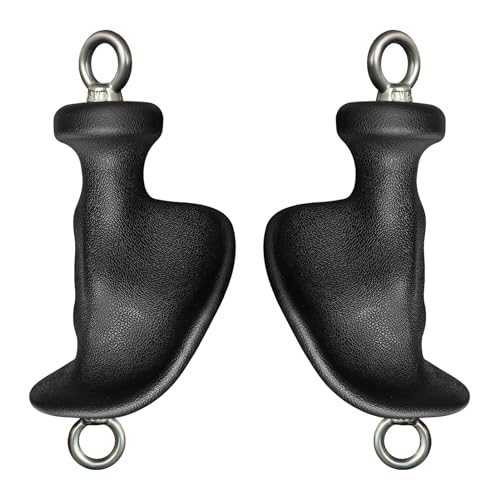
The teeth are spaced perfectly for a wide range of fleeces, from medium-staple breeds like Corriedale to longer, lustrous locks. If you are preparing wool for a worsted-spun yarn—where you want every fiber aligned parallel for a smooth, durable finish—these are your go-to.
The tradeoff here is the weight; they can feel substantial during long sessions. However, the balance is excellent, ensuring your wrists don’t tire out as quickly as they might with cheaper, unbalanced alternatives.
Strauch Double Row Combs: For Fine Fibers

If you specialize in spinning fine, delicate fibers like Merino or Rambouillet, the Strauch double row design is a game changer. The finer tooth density catches those tiny, stubborn neps that often slip through wider-spaced combs.
Having two rows of teeth allows you to clear more fiber with every pass, drastically increasing your efficiency. This is particularly important when working with expensive, high-end fleeces where you don’t want to waste a single lock to the waste bin.
Keep in mind that these require a slightly more delicate touch. Because the pins are finer, forcing them through heavily felted or dirty wool can cause them to bend or snap, so always start with clean, well-skirted fiber.
Patrick Green Picker: Best for Rapid Opening
While technically a picker rather than a comb, this tool is essential for anyone dealing with large quantities of raw fleece. It uses a series of sharp, angled teeth to "open" the locks, essentially fluffing the wool before it ever touches a comb.
This tool saves your hands from the repetitive strain of pulling apart dense, matted locks. It’s the perfect first step for a large project, like a king-sized blanket, where you need to process several pounds of wool quickly.
The downside is the footprint; it’s a large piece of equipment that requires a dedicated space. If you have a small studio, consider if the volume of your projects truly justifies the space it occupies.
Majacraft Fine Combs: Precision Detangling
Majacraft is known for engineering excellence, and their combs reflect that commitment to detail. These combs are incredibly precise, offering a smooth finish that makes the subsequent spinning process feel effortless.
The teeth are exceptionally sharp and polished, which minimizes fiber breakage. When you’re spinning a high-twist yarn for socks, you need those long, unbroken fibers to ensure the final fabric doesn’t pill or wear out prematurely.
They are an investment piece, certainly, but they are built to last a lifetime. If you are a serious spinner who processes their own fleece year-round, the cost-per-use makes these a very sensible purchase.
Wingham Wool Works Combs: Best Value Pick
Wingham offers a fantastic balance of quality and affordability, making them the perfect entry point for someone new to combing. They don’t have the bells and whistles of high-end boutique tools, but they get the job done reliably.
They are straightforward and functional, designed for those who want to focus on the craft rather than the gear. Their tooth length is generous, which allows you to process a decent amount of fiber at once without feeling overwhelmed.
You might find the handles aren’t as ergonomic as more expensive brands, so you may want to wrap them with a bit of tennis grip tape. It’s a simple, cheap modification that makes them much more comfortable for long-term use.
Valkyrie Mini Combs: Best for Small Batches
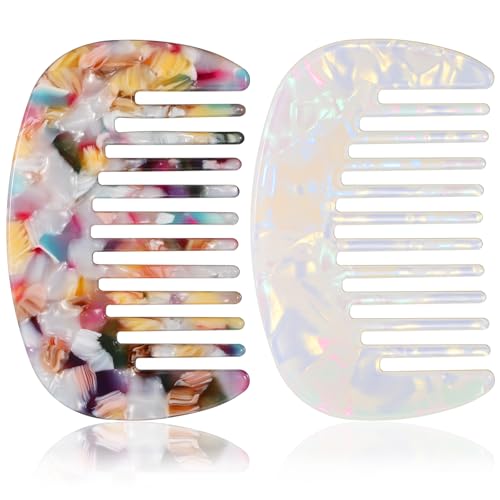
Valkyrie Mini Combs are a delight for those who work with small, precious amounts of fiber, such as Angora or high-quality hand-dyed locks. Their smaller size allows for more control, ensuring you don’t over-process and lose the character of the fiber.
Because they are lightweight, they are ideal for spinners who struggle with hand fatigue or arthritis. You can easily manage them with one hand while the other holds the fiber, providing a level of dexterity that larger combs simply can’t match.
The primary limitation is capacity; you cannot process large fleeces with these. They are a specialized tool for a specialized task, so don’t expect them to replace your primary set of full-sized combs.
Understanding Fiber Staple Length and Combs
Before you start, you must measure your staple length—the distance from the cut end to the tip of the lock. If your combs have teeth shorter than your staple length, you will end up with broken, messy fiber rather than smooth, aligned top.
- Short Staples (under 3 inches): Use fine-toothed, shorter combs to prevent fiber loss.
- Medium Staples (3–5 inches): Standard spacing works best for most common sheep breeds.
- Long Staples (over 5 inches): You need wide-spaced, long-toothed combs to avoid tangling.
Matching your tool to your fiber is the most common mistake beginners make. Always check the manufacturer’s recommendations for staple length compatibility before you commit to a specific set of combs.
How to Properly Prep Raw Fleece for Spinning
Preparation begins with skirting, which means removing the dirty, matted bits from the edges of the fleece. If you try to comb through manure tags or heavy vegetable matter, you will only distribute that debris throughout the clean wool.
Once skirted, gently pull the locks apart with your fingers before introducing them to the combs. This "opening" process prevents the combs from becoming overloaded, which is the leading cause of fiber breakage and tool damage.
Finally, work in small sections. It is much faster to do five quick passes on a small amount of wool than to struggle for ten minutes with a massive, tangled clump that refuses to move through the teeth.
Safety Tips for Handling Sharp Metal Teeth
Fiber combs are essentially rows of needles, and they should be treated with the same respect as your sharpest knitting needles or scissors. Always store them with the teeth covered or pointed away from high-traffic areas.
When you are actively combing, keep your fingers well clear of the tooth path. It is very easy to get caught up in the rhythm of the work and accidentally drag your hand across the tips.
If you are teaching a friend or a child to comb, emphasize that these tools are not toys. A quick, accidental slip can result in a nasty puncture wound that, while small, can easily become infected in a dusty fiber environment.
Essential Maintenance for Your Fiber Combs
Keep your combs clean by removing residual lanolin and dirt after every session. A soft brush can help remove short, trapped fibers that accumulate at the base of the teeth, which can otherwise cause the wool to "felt" onto the comb itself.
If you notice the teeth becoming dull or slightly rusted, a light rub with fine-grit sandpaper can restore the finish. Never use harsh chemicals, as they can strip the wood or damage the metal plating on the teeth.
Store your combs in a dry, cool environment to prevent rust. If you live in a humid climate, consider keeping them in a sealed container with a desiccant pack to ensure they remain in perfect condition for years to come.
Finding the right fiber combs is a personal journey that depends entirely on the types of wool you love to work with. Whether you prioritize speed, precision, or affordability, there is a tool here that will elevate your spinning practice. Start with what fits your current budget, maintain your gear with care, and enjoy the process of transforming raw fleece into beautiful, hand-spun yarn. Happy spinning!