7 Best Wooden Yarn Bowls For Tangle Free Knitting
Discover the 7 best wooden yarn bowls to keep your knitting organized. These durable, smooth tools prevent tangles and ensure a seamless, stress-free project.
Every knitter knows the frustration of a yarn cake rolling across the floor, picking up dust and pet hair as it gathers speed. A high-quality wooden yarn bowl acts as a dedicated anchor, keeping your tension consistent and your fiber pristine throughout long sessions. By controlling the feed of your yarn, these tools turn a chaotic tangle into a smooth, rhythmic experience. Choosing the right bowl is an investment in both your sanity and the longevity of your hand-dyed treasures.
Nagina International Rosewood Yarn Bowl
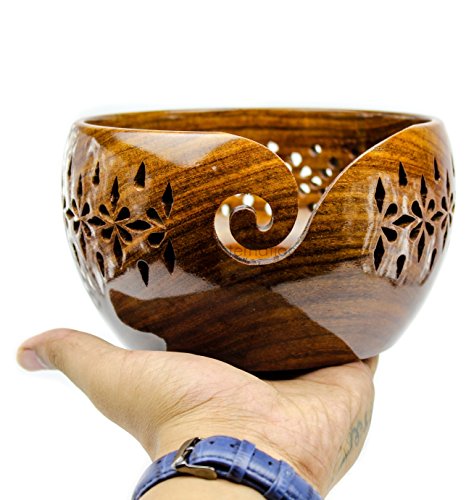

This bowl is a classic choice for those who appreciate the aesthetic warmth of dark, polished wood. Its heavy base provides the stability needed to prevent the bowl from sliding across a table while you work through a complex cable pattern.
The deep, swirling grain of the rosewood isn’t just for show; it creates a smooth surface that won’t snag delicate lace-weight mohair. Because rosewood is naturally dense, this bowl feels substantial and less likely to tip over if you accidentally tug on your yarn.
Keep in mind that the finish on these bowls can sometimes be slightly porous. If you are working with a highly saturated hand-dyed yarn, it is wise to ensure the bowl is well-sealed to prevent any potential color transfer.
Yarn Valet Wooden Yarn Bowl With Lid

The inclusion of a lid sets this bowl apart for knitters who frequently travel or have curious pets at home. It keeps your yarn securely contained, preventing it from jumping out even if you are working with a particularly bouncy, high-twist merino wool.
The lid design is remarkably clever, acting as a secondary tension guide that keeps the yarn from tangling inside the bowl. It is particularly useful when you are knitting with multiple strands or working on a project that requires frequent stopping and starting.
However, the added lid does mean you have to thread your yarn through an opening each time you switch colors or cakes. If you are a fast, high-volume knitter, you might find this extra step slightly cumbersome compared to an open-top design.
Knit Picks Harmony Wood Yarn Bowl

Knit Picks is a staple in the knitting community, and their Harmony wood bowl reflects a deep understanding of what makers actually need on their desks. The wood is laminated in a way that creates a beautiful, multi-colored striped effect that looks stunning in any craft room.
The spiral cutout is perfectly polished, ensuring that even grabby, single-ply yarns slide through without catching or fraying. It is a mid-weight option that balances portability with enough heft to stay put during a marathon knitting session.
One thing to note is the diameter of the opening. It is designed for standard 50g or 100g yarn cakes, so it might be a tight fit if you prefer massive, jumbo-sized skeins.
Lykke Driftwood Handcrafted Yarn Bowl

Lykke is renowned for its signature grey, weathered finish, and this bowl carries that same elegant, minimalist aesthetic. It feels incredibly smooth to the touch, which is vital when you are working with fine, expensive fibers like silk or cashmere.
The craftsmanship here is focused on the ergonomics of the yarn feed. The spiral is positioned at the ideal height to allow the yarn to unwind naturally as you knit, reducing the physical strain on your hands and wrists over time.
Because it is handcrafted, each piece has subtle variations in grain and texture. If you value a tool that feels like a piece of art as much as a utility, this is likely the one for you.
Cox Creations Large Wooden Yarn Bowl
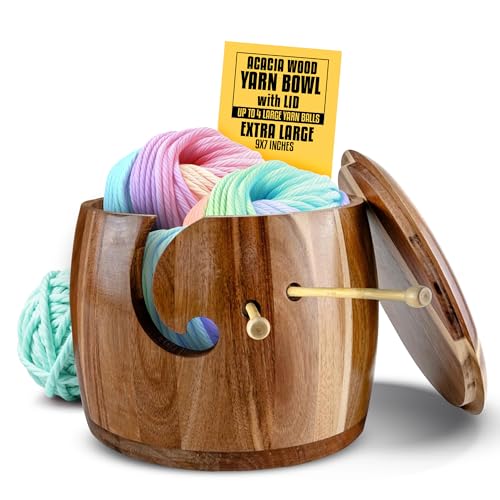
If you are a fan of bulky, super-bulky, or "art yarn" that is thick and textured, a standard-sized bowl will often be too small. Cox Creations addresses this by offering a larger footprint that accommodates those massive, oversized cakes without crowding the yarn.
The extra weight of a larger bowl is a significant advantage when you are working with heavy, rustic wools that tend to pull harder on the yarn supply. It stays firmly planted on your side table, even when you are knitting with heavy needles.
Be aware that the larger size takes up a significant amount of space on your project bag or desk. Make sure you have the surface area to support it before committing to this larger model.
Yarn Tree Artisan Mango Wood Bowl

Mango wood is a fantastic, sustainable choice that offers a lighter weight without sacrificing durability. This bowl has a very organic feel, often featuring a slightly wider opening that makes it easy to drop in a new cake of yarn without fuss.
The finish is typically matte, which provides a nice bit of "grip" to the exterior. This is helpful if you are knitting on a slick surface, like a glass coffee table, where a lighter bowl might otherwise slide around.
Because it is made from a faster-growing wood, it is often more affordable than rosewood or teak. It is an excellent "workhorse" bowl for the knitter who wants functionality without the luxury price tag.
All Things Knits Premium Teak Bowl
Teak is prized for its natural oils and incredible resistance to moisture and wear. A teak bowl is essentially a lifetime investment, as it will stand up to years of daily use without warping or losing its luster.
The grain is tight and uniform, which means there are virtually no microscopic splinters to snag your yarn. This is essential if you are working with high-twist, smooth yarns that show every little imperfection in your tools.
While it is a premium product, the peace of mind that comes with a high-quality teak finish is well worth the cost. You won’t have to worry about the wood drying out or cracking over time, provided you give it basic care.
Why Use a Yarn Bowl for Tangle Free Knitting
A yarn bowl is far more than a decorative accessory; it is a tool for maintaining consistent tension. When your yarn rolls around on the floor, it experiences erratic tugs and pulls that can lead to uneven stitches, especially in stockinette fabric.
By keeping the yarn at a constant distance and angle, you ensure that the fiber is fed into your needles at a steady rate. This is particularly important when you are working with high-twist yarns that have a tendency to "kink" or twist back on themselves as you knit.
Furthermore, a bowl keeps your yarn clean. Whether you have pets, children, or just a dusty floor, a bowl ensures your hard-earned project stays free of debris until it is ready for blocking.
Wood vs Ceramic Yarn Bowls: A Comparison
Choosing between wood and ceramic often comes down to the environment in which you knit. Ceramic bowls are generally heavier and more stable, but they are also fragile and prone to chipping if knocked against a hard surface.
Wooden bowls offer a warmth and tactile quality that ceramic simply cannot replicate. They are also much more durable in terms of impact; if you drop a wooden bowl, it will likely survive, whereas a ceramic one will shatter.
- Wood: Lightweight, durable, warm to the touch, safe for travel.
- Ceramic: Heavy, stable, easy to clean, can be prone to breakage.
If you are a "knitter on the go" who takes projects to coffee shops or knitting groups, wood is almost always the superior choice. If you are a stationary home-knitter, the weight of ceramic can be a lovely benefit.
How to Properly Maintain Your Wooden Bowl
Wooden yarn bowls are natural products and require occasional care to stay in top condition. Every few months, I recommend applying a small amount of food-safe mineral oil or beeswax to the surface.
This prevents the wood from drying out and keeps the finish smooth enough to protect your yarn. Simply buff the oil in with a soft cloth and let it soak in before wiping away the excess.
- Avoid leaving the bowl in direct sunlight for extended periods, which can cause the wood to dry out or crack.
- Never soak the bowl in water; simply wipe it down with a damp cloth if it becomes dusty.
- If you notice a small snag developing in the spiral, use a very fine-grit sandpaper to gently buff it smooth.
Finding the right yarn bowl is a small but transformative step toward more enjoyable, professional-looking knitting. Whether you choose the heft of rosewood or the portability of a lidded design, the goal is always the same: to remove friction from your process. Once you experience the ease of a snag-free, stationary yarn feed, you will wonder how you ever managed without one. Happy knitting, and may your yarn always flow as smoothly as your stitches.