6 Best Wool Brushes For Finishing Garments To Use
Discover the top 6 wool brushes for garment care. Learn how these essential tools remove lint and restore texture to keep your knitwear looking brand new.
Spending weeks on a hand-knit sweater only to see it sprout unsightly pills after a few wears is the heartbreak every knitter knows too well. Proper garment finishing is the secret bridge between a project that looks "homemade" and one that looks truly professional. By investing in the right grooming tools, you can extend the lifespan of your woolens by years. Let’s explore the best brushes and tools to keep your stitches looking crisp, clean, and intentional.
The Laundress Sweater Comb: Best For De-pilling

If you have ever pulled a soft, merino wool sweater out of your drawer only to find it covered in tiny, abrasive fuzz balls, you know the frustration. The Laundress Sweater Comb is a simple, non-electric tool that works by physically catching those loose fibers and lifting them away from the base fabric.
Because it uses a fine-toothed metal edge, it is exceptionally effective at targeting the friction points under the arms or along the sides where pilling is most aggressive. It doesn’t rely on batteries or mechanical blades, meaning there is zero risk of catching a stray yarn strand and accidentally slicing through your hard work.
However, it does require a bit of elbow grease and a steady hand. You must lay your garment perfectly flat on a hard surface and work in short, gentle strokes to avoid pulling at the integrity of the knit stitches.
Kent Clothes Brush: Best For Natural Fiber Care

When you are working with high-quality, long-staple fibers like wool or mohair, you don’t want to shave the fabric; you want to groom it. The Kent Clothes Brush uses natural bristles that are designed to lift away dust, lint, and debris without damaging the delicate structure of the yarn.
This is an essential tool for those who invest in premium, undyed, or specialty yarns. Regular brushing helps realign the fibers, which can actually prevent pilling from forming in the first place by keeping the surface of the garment smooth.
It is a more traditional approach that requires patience, but it is the safest method for heirloom-quality pieces. Think of it as a daily ritual for your favorite sweater, much like brushing your own hair to maintain its health and luster.
Gleener Ultimate Fuzz Remover: Best Versatility
The Gleener is a unique hybrid tool because it features three interchangeable edges designed for different weights of fabric. Whether you are dealing with a bulky, fisherman-style wool sweater or a delicate, fine-gauge silk-blend lace, there is an edge that fits the task.
This versatility makes it a fantastic "all-in-one" choice for knitters who work across a wide variety of yarn weights. You won’t need to buy a separate tool for your heavy blankets and your lightweight spring tops.
The biggest trade-off is the plastic construction, which can feel a bit less substantial than a wooden brush. However, the convenience of having three distinct settings in one handle is hard to beat for a busy knitter.
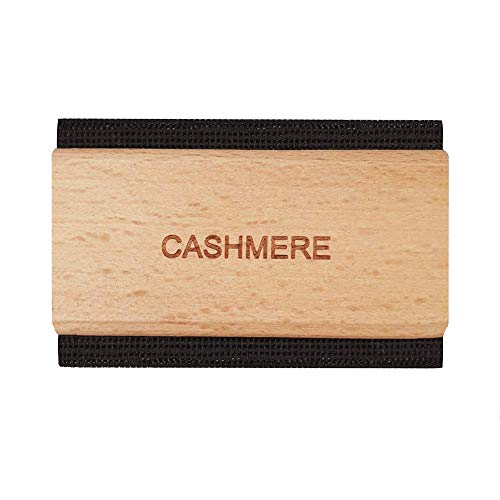
Redecker Cashmere Brush: Best For Delicate Knits
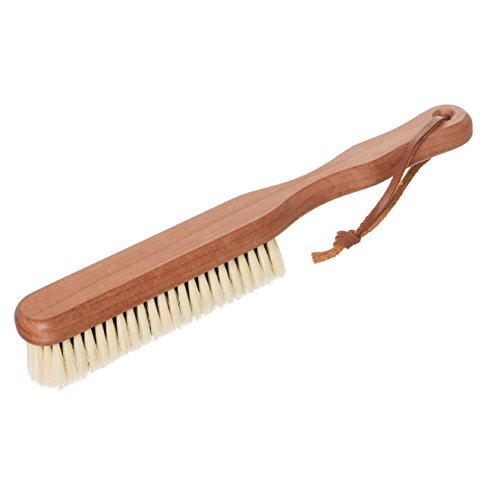
Cashmere is notorious for its tendency to pill, yet it is far too delicate for harsh, electric shavers. The Redecker brush uses softer, more flexible bristles that gently detangle the fibers and remove surface fuzz without putting undue tension on the yarn.
This is the brush I recommend when you’ve spent a small fortune on luxury fiber and simply cannot risk a snag. It’s perfect for maintaining the "halo" of your knits while keeping the surface looking uniform and elegant.
Just remember that this is a maintenance tool, not a heavy-duty repair tool. It is designed to keep a well-made garment looking pristine, rather than salvaging a garment that has been heavily neglected.
Evercare Fabric Shaver: Best For Heavy Woolens

For those hearty, rustic wools that can withstand a bit of aggressive grooming, the Evercare Fabric Shaver is a reliable workhorse. It uses a rotating blade system that effectively trims away larger pills that have already formed on the surface.
This tool is ideal for heavy-gauge sweaters or felted projects where the fiber is sturdy and less prone to snagging. It cuts through the mess quickly, saving you time when you have a large surface area to cover.
Always test it on an inconspicuous area first, such as the inside hem. Even on heavy wool, you want to ensure the shaver head isn’t catching on any uneven spots or textured stitch patterns like cables.
Philips Fabric Shaver: Best For Precise Grooming
The Philips Fabric Shaver is favored by many for its consistent motor and height-adjustable guard. This guard is the standout feature, as it allows you to control exactly how close the blade gets to the surface of your knitting.
If you have a garment with a complex cable pattern or a delicate lace motif, you can set the guard to a higher position to avoid catching the raised stitches. It provides a level of precision that cheaper, fixed-blade shavers simply cannot match.
It is an electric tool, so it does require batteries or a power cord, which limits where you can use it. However, for the knitter who wants a clean, uniform finish on intricate garments, it is an indispensable piece of kit.
Why Finishing Your Wool Garments Truly Matters
Finishing is the final step in the creative process, often overlooked in the rush to cast off. A well-groomed garment not only looks better but actually lasts longer, as removing pills prevents them from snagging on other fibers and creating larger holes.
When you take the time to brush or de-pill a sweater, you are essentially "resetting" the fabric. It allows the fibers to breathe and prevents the accumulation of dirt and oils that can degrade the yarn over time.
Think of it as the difference between a rough, unblocked swatch and a finished, steam-pressed piece of lace. The care you put into the final grooming is a direct reflection of the love you poured into every single stitch.
How To Select The Right Brush For Your Yarn Type
Choosing the right tool depends entirely on the fiber composition and the structure of your knitting. If you are working with a high-twist, smooth wool, a stiffer brush or a gentle shaver works well.
For softer, lofty yarns like alpaca or mohair, avoid blades entirely. These fibers have a natural halo that you want to preserve; a blade will only strip that beauty away and leave the garment looking thin and patchy.
- For Superwash Wool: These fibers are slippery and prone to pilling; a shaver is often necessary.
- For Mohair/Angora: Use only soft-bristled brushes to maintain the fiber’s loft.
- For Rustic/High-Wool Content: A sturdy comb or shaver can handle the occasional surface knot.
Essential Maintenance Tips For Your Wool Brushes
Even the best tools need a little care to stay effective. If you are using a shaver, always empty the lint trap frequently; a full trap slows down the motor and can cause the blade to snag.
For natural bristle brushes, wash them occasionally in a mild wool wash, just as you would your garments. Let them air dry completely with the bristles facing down to prevent water from soaking into the wooden handle.
If you notice a brush losing its effectiveness, check the bristles for embedded lint or debris. A quick swipe with a fine-tooth comb can often pull out trapped fibers and restore the brush to its original performance.

Expert Techniques For Removing Pilling Safely
The golden rule of de-pilling is to always work on a flat, hard surface. If you hold the garment in your hands, the fabric will stretch and shift, making it impossible to get an even, safe result.
Start by laying the garment flat and smoothing it out with your hands to ensure there are no wrinkles. When using a shaver or comb, work in one direction rather than scrubbing back and forth.
Finally, never over-groom. It is better to leave a few stubborn pills than to risk creating a hole by trying to force them off. Remember, your goal is to refresh the garment, not to strip it down to the base structure.
Taking care of your hand-knits is just as important as the knitting process itself. By matching the right tool to the fiber and working with patience, you ensure your garments remain wardrobe staples for years to come. Choose your brush wisely, treat your wool with respect, and enjoy the satisfaction of wearing pieces that look as good as they feel. Happy knitting, and even happier grooming!