7 Best Sewing Kits For Quick Repairs Worth Having
Don’t let a loose button ruin your day. We review 7 essential sewing kits for quick repairs, highlighting portability, durability, and ease of use for all.
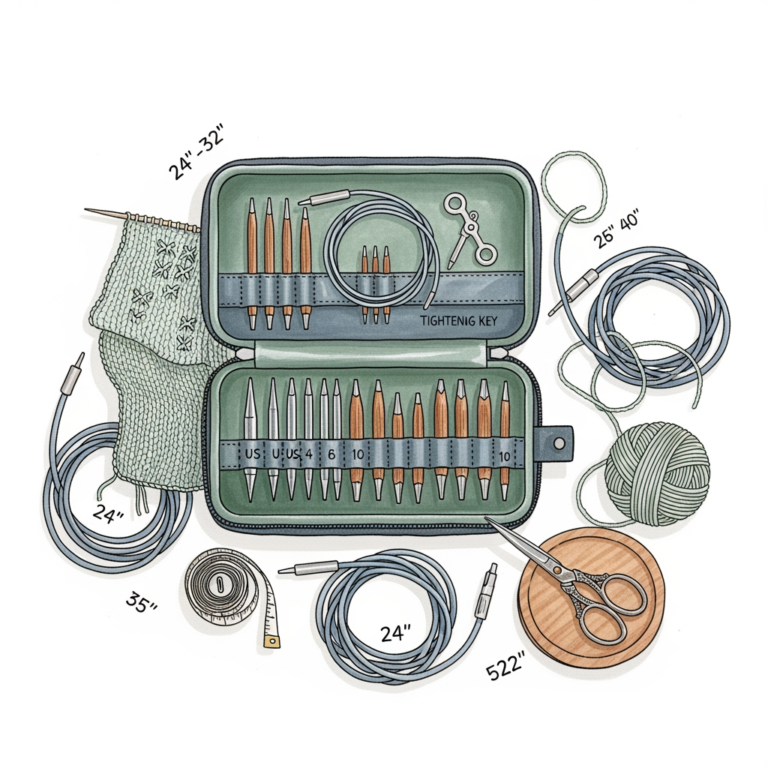
Every fiber artist knows the sinking feeling of discovering a dropped stitch or a snagged seam just moments before heading out the door. A well-stocked sewing kit is as essential to your craft room as a reliable set of circular needles or a sharp pair of snips. Whether you are finishing a hand-knit garment or performing an emergency repair on a favorite sweater, having the right tools on hand saves hours of frustration. These seven kits offer the perfect blend of utility and convenience to keep your handmade wardrobe in top shape.
Singer ProSeries Sewing Kit: Best Overall Choice


When you need a comprehensive solution that covers everything from button replacement to minor hem adjustments, the Singer ProSeries is a workhorse. It bridges the gap between a basic emergency kit and a professional tailoring setup.
The inclusion of high-quality scissors and a variety of thread colors makes it perfect for the knitter who frequently works with different yarn weights. If you are finishing a heavy wool cardigan, you need a needle that won’t bend under the tension of a thick seam, and this kit provides that durability.
The trade-off here is size; it is not the most portable option for your knitting bag. However, for a permanent fixture on your craft desk, the organization is unmatched. It is the most reliable choice for makers who want one kit to handle all their finishing needs.
Dritz Sewing Basket: Best for Beginners to Use

There is something nostalgic and deeply practical about a dedicated sewing basket. For those new to the fiber arts, having a centralized, visible location for your tools prevents the common frustration of losing your tapestry needles or stitch markers.
The internal tray is a game-changer for organizing small notions like safety pins and measuring tapes. When you are just starting out, you don’t want to be digging through a cluttered drawer when you should be focusing on your tension or stitch pattern.
While these baskets are sturdy, they are not designed for travel. Think of this as your "home base" for all your repair needs. It is the perfect gift for a budding knitter who is just beginning to build their collection of essential notions.
Coquimbo Portable Sewing Kit: Best for Travel

If you carry your knitting projects to workshops or on long commutes, you know that accidents happen on the go. The Coquimbo kit is designed to be tucked into a project bag without adding unnecessary bulk.
It is surprisingly robust for its size, offering enough variety to handle a quick fix like a loose button or a snagged hem on a delicate lace shawl. The compact case ensures that your needles won’t end up poking through your soft merino yarn.
The limitation of a portable kit is the thread quantity, which is meant for quick repairs rather than heavy-duty construction. Use this for emergencies only, and keep your primary stash of high-quality thread at home.
SINGER 01511 Sewing Kit: Best Compact Option

This kit is the definition of minimalist utility. It is designed for the knitter who values space and wants to keep their kit as streamlined as a pair of double-pointed needles.
It fits easily into the smallest project bag side pocket. Despite its small profile, it contains the essential needles and threads required to secure a loose end or reattach a button on a finished garment.
Do not expect this to handle major tailoring tasks. It is strictly for those mid-project moments where you need a quick, surgical repair to keep your work moving forward. It is a classic "just in case" tool for the minimalist maker.
ThreadNanny Deluxe Kit: Best for Heavy Mending

Sometimes, your projects require more than just a quick fix. If you are repairing a heavy-duty bag or a thick, felted wool coat, you need tools that can handle significant resistance.
The ThreadNanny kit stands out because of the strength of its components. The needles are substantial enough to pass through dense fibers without snapping, which is crucial when you are dealing with high-ply yarns or heavy canvas.
This is not the kit for delicate silk or fine lace work. It is a specialized tool for the heavy-duty side of fiber arts. If you find yourself frequently repairing bags or structured items, this is the kit that will save your fingers from strain.
Simplicity Sewing Kit: Best Value for Money

Value is about more than just the price tag; it is about the longevity of the tools included. The Simplicity kit offers a balanced selection of notions that won’t break the bank while still providing decent quality.
It is an excellent "starter" kit for someone who isn’t sure how often they will need to perform repairs. You get a little bit of everything, allowing you to figure out which tools you actually use most often.
The case itself is functional but basic. If you are a heavy user, you might eventually want to upgrade the scissors, but for the occasional repair, this kit is perfectly adequate and highly cost-effective.
Sewline Fabric Glue Pen Kit: Best for Quilting
While not a traditional sewing kit, the Sewline glue pen is a secret weapon for many knitters and quilters. It is perfect for basting seams or holding a tricky hem in place before you commit to a permanent stitch.
It is particularly useful when you are working with slippery fibers like bamboo or silk blends that tend to shift under the needle. By using the glue to hold your fabric in place, you ensure a clean, professional finish without the need for pins.
Remember that this is a temporary hold. Always test the glue on a swatch of your yarn or fabric first to ensure it washes out completely without leaving a residue. It is a game-changer for precision work.
Essential Tools Every Mending Kit Should Include
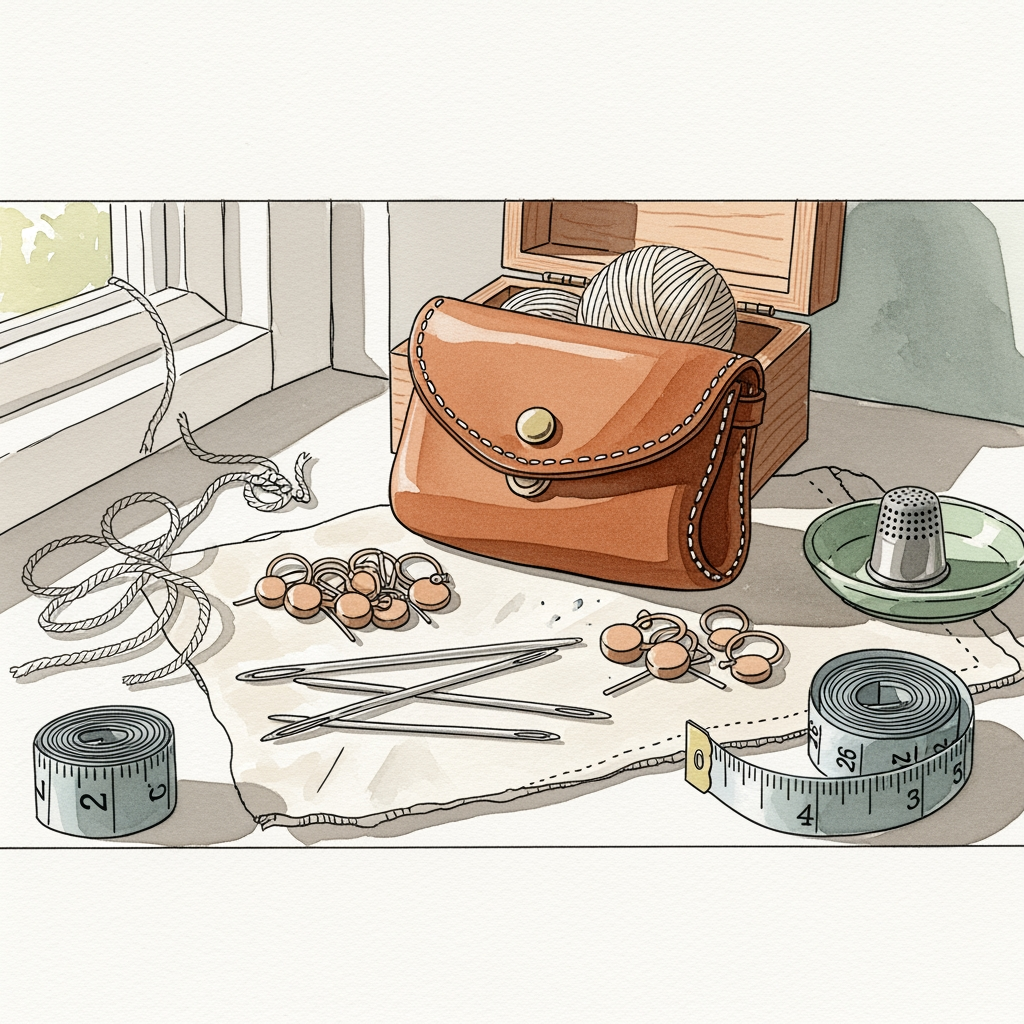
- Tapestry Needles: Varying eye sizes for different yarn weights.
- Sharp Snips: Precision is key when trimming ends near delicate stitches.
- Measuring Tape: Essential for checking gauge after a repair.
- Safety Pins: Great for holding live stitches while you work on a repair.
- High-Quality Thread: Always keep a neutral color that matches your most frequent projects.
How to Choose the Right Needle for Fabric Repair
The needle you choose should always be dictated by the weight of your fabric and the yarn you used. If you are working with a fine fingering-weight wool, a thick needle will leave visible holes in the fabric, which can compromise the integrity of the stitch.
Conversely, trying to force a thin needle through heavy, felted wool will only lead to frustration and potential injury. Always match your needle gauge to the "weight" of the repair.
If you are unsure, start with a medium-sized needle and adjust based on how easily it passes through the fibers. If it requires excessive force, you are likely using a needle that is too small for the project.
Tips for Organizing Your Sewing and Repair Kit
Organization is the secret to a stress-free repair process. Group your items by frequency of use, keeping your most-used needles and thread in the most accessible part of the kit.
Clear containers are your best friend; being able to see your tools at a glance saves time and prevents you from dumping out the entire kit just to find a single needle. If you have multiple kits, label them by project type or location.
Finally, keep your kit away from moisture and direct sunlight to prevent your thread from becoming brittle over time. A well-maintained kit is an investment that will serve your knitting projects for years to come.
A reliable sewing kit is the quiet hero of any knitter’s collection, standing ready to save a project from a minor mishap. By selecting the right tools for your specific needs, you ensure that your handmade items remain beautiful and functional for a lifetime. Take the time to curate your kit, keep it organized, and you will find that even the most daunting repair becomes a simple, manageable task. Happy knitting, and may your seams always stay secure.