6 Best Bobbin Winders For Small Color Sections
Managing small color sections? Discover the 6 best bobbin winders that offer precision and efficiency to streamline your intricate embroidery projects today.
Tackling intricate colorwork projects like intarsia requires precision management of dozens of individual yarn strands. Without the right tools, your workspace quickly devolves into a tangled mess of knots that can ruin your knitting rhythm. Investing in a reliable bobbin winder transforms these chaotic color sections into neat, manageable units. This guide explores the best tools to keep your yarn organized and your color transitions seamless.
Nancy’s Knit Knacks Electric Ball Winder


This is the gold standard for knitters who prioritize speed and consistent tension. The electric motor takes the physical strain out of winding dozens of small bobbins for complex intarsia patterns.
It is particularly effective because it allows for a steady, uniform pull that prevents the yarn from stretching. If you are working with delicate fibers like lace-weight mohair or high-twist merino, this consistency is vital to avoid distorting the yarn’s ply.
The primary tradeoff here is the footprint and the price. It is a dedicated piece of equipment that takes up permanent space on your crafting table, but for the serious colorwork enthusiast, the time saved is well worth the investment.
Stanwood Needlecraft Large Metal Winder

If you prefer a tool that feels like a permanent fixture in your studio, the Stanwood metal winder is a heavy-duty contender. Its robust construction ensures that it won’t slide around or tip over during high-speed winding sessions.
The metal gears provide a smooth, tactile experience that plastic alternatives simply cannot match. When you are winding small sections for a large-scale project, the mechanical reliability of this unit means you spend less time troubleshooting the tool and more time knitting.
Keep in mind that this winder is built for volume, so it may feel slightly overkill for tiny, individual bobbins. However, if you frequently switch between large skeins and smaller color blocks, its versatility makes it a smart long-term choice.
Lacis Hand-Operated Yarn Ball Winder
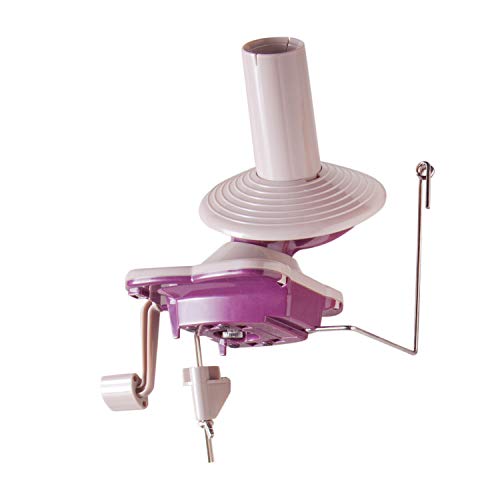
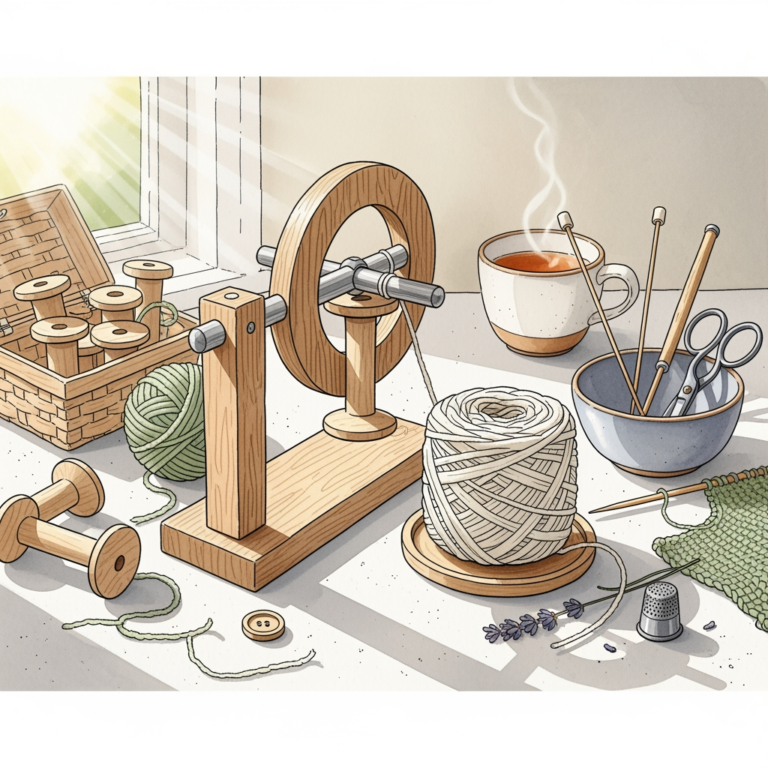
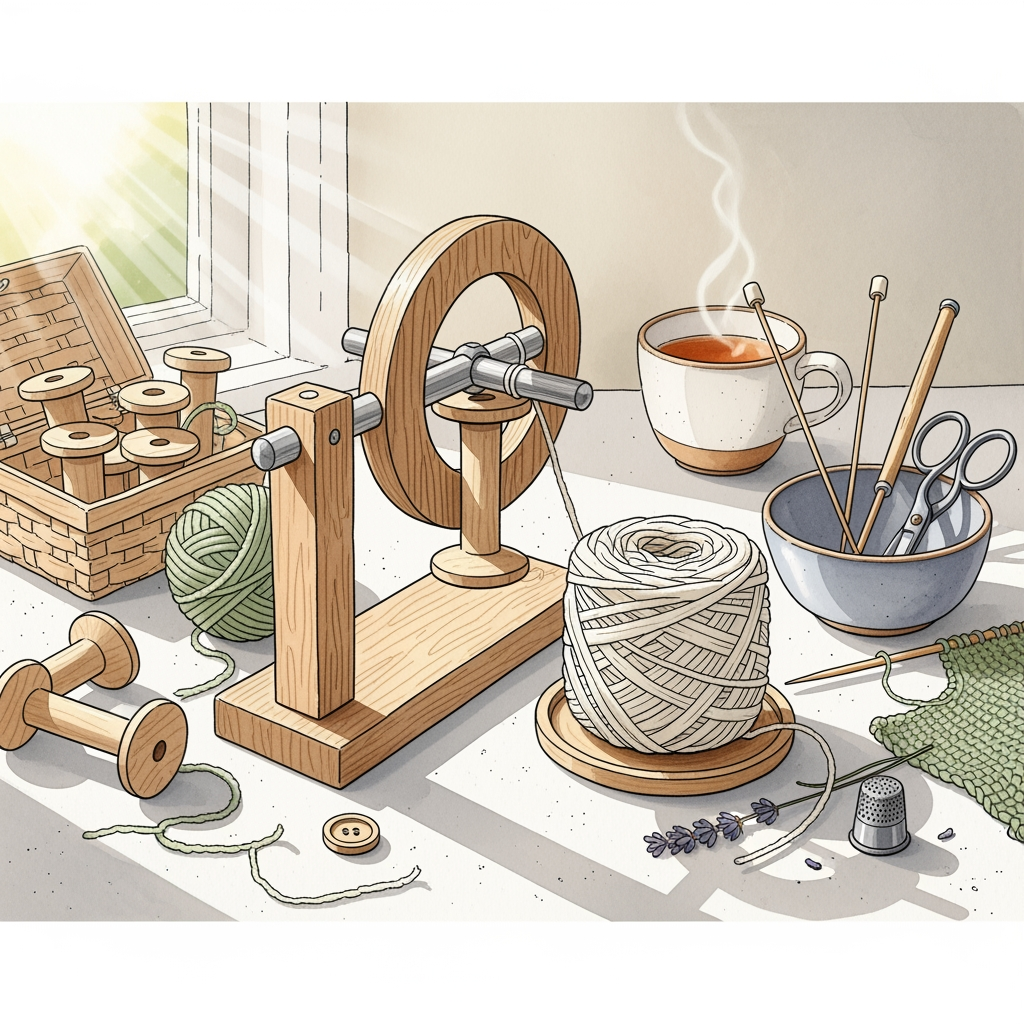
For those who enjoy the ritual of hand-winding, the Lacis winder offers a classic, reliable experience without the need for power outlets. It is a fantastic entry-level tool that bridges the gap between manual bobbin wrapping and full-scale ball winding.
Its compact design makes it highly portable, allowing you to wind your color sections right at your knitting chair. It is an excellent choice for knitters who travel to workshops or knitting retreats and need a tool that packs away easily.
While it lacks the automation of electric models, the hand-cranked mechanism gives you total control over the tension of each bobbin. You can feel exactly when the yarn is being pulled too tightly, which is a great way to learn how different fibers react to tension.
Knit Picks Yarn Winder for Small Batches
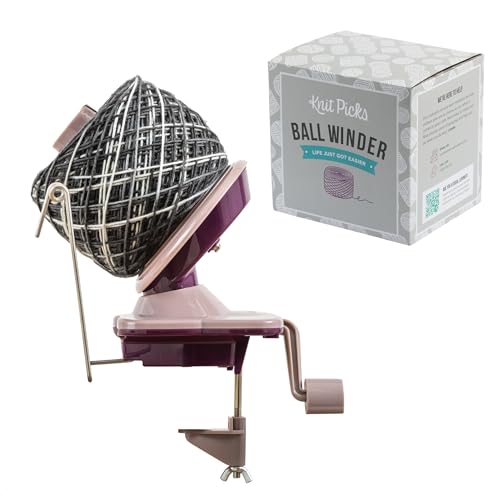
This winder is specifically designed for the knitter who works in smaller quantities. It is lightweight, affordable, and perfectly sized for creating the small "yarn butterflies" or bobbins needed for intarsia.
It excels at handling shorter lengths of yarn without creating the bulky, unstable cakes that larger winders often produce. If you are working on a project with many colors but small yardage requirements, this is often the most practical tool in your kit.
The trade-off is the plastic construction, which requires a gentle touch during operation. As long as you aren’t forcing the gears, it will provide consistent service for years of colorwork projects.
Strauch Petite Ball Winder for Precision

The Strauch Petite is designed for the knitter who demands professional-grade results on a smaller scale. It is renowned for its precision engineering, ensuring that your yarn cakes are perfectly shaped and tangle-free.
This winder is particularly suited for luxury fibers that are prone to snagging or losing their loft. Because the mechanical action is so smooth, it preserves the integrity of the yarn, ensuring your finished fabric remains crisp and even.
It is a premium tool with a price tag to match, but it is an investment in the longevity of your stash. If you find yourself frequently frustrated by uneven tension or yarn tangles, the mechanical stability of a Strauch is the solution.
U-nitt Yarn Winder with Metal Gear Drive

The U-nitt winder stands out due to its metal gear assembly, which significantly extends the life of the tool compared to standard plastic models. It offers a smooth, quiet winding experience that feels substantial and reliable.
It is a great middle-ground option for the knitter who wants durability without the higher cost of professional-grade equipment. The metal gears handle the friction of daily use much better, especially if you are winding multiple bobbins in one sitting.
While it is a bit heavier than entry-level winders, the added weight keeps it firmly anchored to your table. If you want a workhorse that won’t require frequent replacements, this is a solid, practical choice.
Why Use Bobbins for Intarsia Colorwork
Bobbins are essential for intarsia because they keep your various color sections separate and prevent the "tangling nightmare" that occurs when multiple balls of yarn roll around your lap. By keeping each color on its own bobbin, you ensure that you only pull the exact amount of yarn needed for a specific section.
Using bobbins also helps manage the weight of your project. When you have twenty colors attached to a garment, the weight of the balls can pull on the stitches and distort your gauge; bobbins keep the bulk to a minimum.
- Prevents Tangles: Keeps individual color strands from twisting together.
- Maintains Tension: Allows you to manage the pull for each color independently.
- Portability: Makes it easy to move your project without a mess.
How to Properly Tension Your Yarn Winder
Consistent tension is the secret to a professional-looking project. If you wind your bobbins too tightly, the yarn loses its natural elasticity, which can lead to puckering or uneven stitches once the garment is blocked.
Always guide the yarn through the winder’s tension arm with a light, steady hand. If the winder doesn’t have a built-in guide, hold the yarn between your fingers a few inches away from the winder to act as a manual tensioner.
- Test your fiber: Superwash wools stretch more than cotton; adjust your pull accordingly.
- Don’t overfill: Small, loose bobbins are easier to manage than tight, overstuffed ones.
- Check the feed: Ensure the yarn is feeding smoothly off the skein to avoid sudden jerks.
Manual vs Electric Winders: Pros and Cons
Manual winders provide a tactile connection to your materials, allowing you to stop and start with precision. They are generally more portable and require no power, making them perfect for knitting on the go.
Electric winders, conversely, are designed for efficiency and high volume. If you are preparing for a large project with hundreds of color changes, the electric winder will save you hours of physical labor.
- Manual Pros: Affordable, portable, quiet.
- Manual Cons: Can be tiring for large projects.
- Electric Pros: Fast, consistent, reduces repetitive strain.
- Electric Cons: Higher cost, requires power, more table space.
Maintaining Your Winder for Long-Term Use
A yarn winder is a mechanical tool that requires occasional care to function correctly. Every few months, check the gears for dust or stray fibers that may have worked their way into the mechanism.
If your winder starts to squeak or feel "sticky," a tiny drop of sewing machine oil on the moving parts can make a world of difference. Always store your winder in a clean, dry place to prevent the gears from seizing up over time.
Avoid forcing the handle if you feel resistance, as this is usually a sign that the yarn has snagged on the spool. By treating your winder with the same care you give your favorite needles, you ensure it will be ready for your next colorwork adventure.
Choosing the right bobbin winder is a personal decision based on your project volume and workspace constraints. Whether you opt for a high-speed electric model or a simple manual crank, the goal remains the same: simplifying your process so you can focus on the joy of knitting. Experiment with these tools to see which fits your rhythm and fiber preferences best. Once you find your perfect match, you will wonder how you ever managed complex colorwork without it.