6 Best Loom Yarn Clips for Multi-Color Projects
Keep your yarn organized with our top six clips for multi-color projects. Discover tools that prevent tangles and streamline your loom weaving process today.
Managing multiple yarn strands on a loom can quickly turn a relaxing project into a tangled, frustrating mess. Whether you are working on a complex intarsia pattern or simply carrying two colors across a row, the right tool makes all the difference in your workflow. These clips act as external anchors, keeping your active yarns organized and preventing the dreaded "yarn soup" that occurs when balls roll together. Choosing the right clip is about balancing grip, weight, and ease of access during your knitting sessions.
Clover Knitting Stitch Markers: Best for Loom Clips


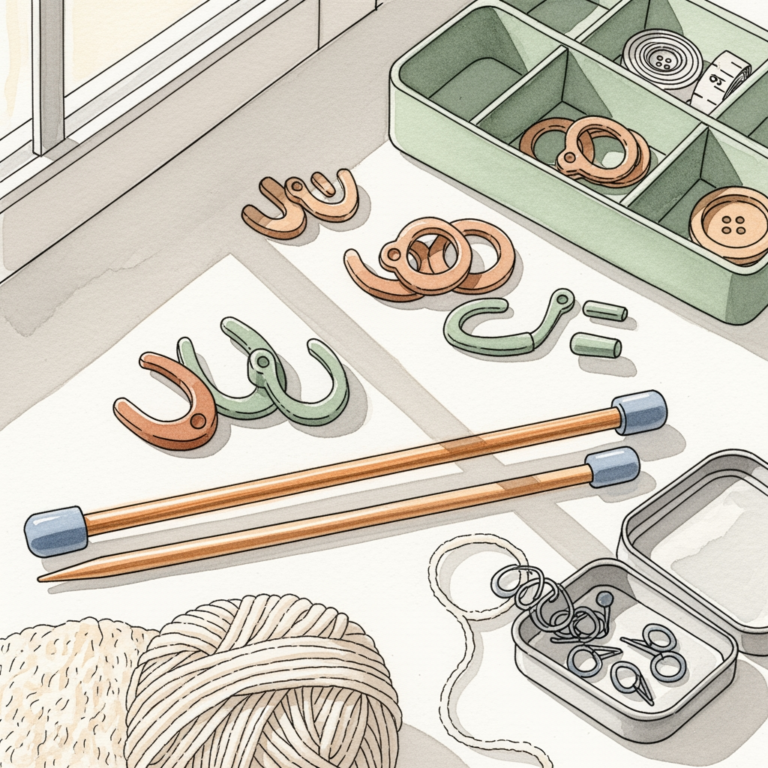
Clover stitch markers are often overlooked for loom work, but their locking mechanism makes them surprisingly effective as lightweight yarn clips. Because they are designed to be snag-free, they won’t damage delicate wool fibers while holding your yarn in place on the loom frame.
These are best for knitters who need a low-profile solution that doesn’t add bulk to the loom. If you are working on a fine-gauge project where heavy clips might pull on your stitches and distort your gauge, these are your best bet.
However, they are not meant for heavy, chunky yarns. Stick to fingering or DK weight fibers for the best results, as the locking mechanism can be tight to open repeatedly with thicker, multi-ply yarns.
Susan Bates Yarn Clips: Best for Precise Tension

Susan Bates clips are a staple for a reason: they provide a consistent, firm hold that is essential for maintaining even tension across color changes. When you are switching between colors constantly, you need a clip that won’t slide or lose its grip during the transition.
These clips allow you to "park" your yarn at a specific tension point on the loom. This is particularly useful when working with slippery fibers like silk or bamboo blends that tend to unravel if not anchored securely.
Keep in mind that the tension they provide is quite firm. If you have a tendency to knit tightly, ensure you aren’t anchoring these too close to your working stitches, or you might find your final fabric feels stiff or board-like.
Boye Plastic Yarn Bobbins: Best for Color Blocks

Boye plastic bobbins are the classic solution for large blocks of color in intarsia loom knitting. They function as both a storage vessel for your yarn and a weight to keep your tension consistent as you move across the loom.
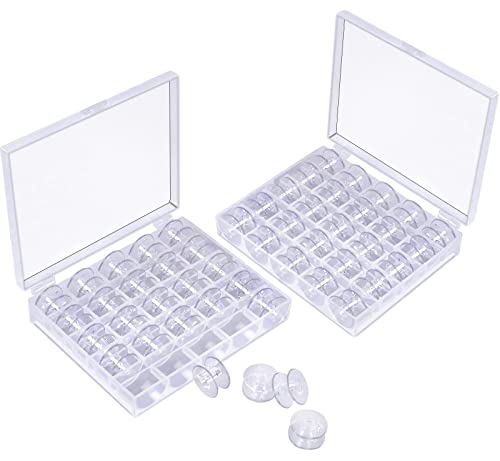
These are perfect for projects like geometric blankets or pillows where you have distinct sections of color. By winding your yarn onto these, you eliminate the need to carry long floats across the back of your work, which keeps the reverse side clean and tidy.
The tradeoff here is weight. If you are working on a small, delicate loom, these might be too heavy, causing your stitches to stretch. Use them primarily for medium to heavy-weight projects where the structure can support the added mass.
KnitPicks Yarn Tenders: Best for Large Projects

KnitPicks Yarn Tenders offer a unique, flexible design that accommodates a larger amount of yarn than a standard clip. They are ideal for projects that require long lengths of color, such as large-scale tapestries or multi-color afghans.
Because they are made from a pliable material, they are gentle on your yarn and easy to manipulate with one hand. This is a huge advantage when you are deep into a row and don’t want to break your rhythm to fiddle with a stiff fastener.
These are not the best choice for intricate, small-scale lace work. Their size can be cumbersome, and they are best suited for projects where you have enough space on your loom to organize multiple tenders without them knocking into one another.
Tulip Etimo Yarn Keepers: Best for Ergonomics

Tulip Etimo products are renowned for their ergonomic design, and their yarn keepers are no exception. They are designed to sit comfortably in the hand or attach seamlessly to the loom frame without causing hand fatigue during long knitting sessions.
If you suffer from arthritis or simply find that fiddling with small, fiddly clips slows you down, these are a game-changer. They prioritize ease of use, allowing you to snap them on and off with minimal pressure.
The high-quality construction comes at a premium price point. While they are a luxury item, for the serious loom knitter who spends hours at the frame, the comfort they provide is well worth the investment.
Brittany Birch Yarn Clips: Best for Natural Fibers
Brittany Birch clips are a beautiful, sustainable choice that feels wonderful in the hand. The smooth, polished wood is snag-free, making them ideal for high-end wools, alpaca, or mohair that catch on plastic edges.
Natural fibers often benefit from wooden tools because the material has a slight amount of "give" compared to rigid plastic. This prevents the yarn from being crushed or marked by the clip, maintaining the integrity of the fiber’s loft and texture.
Because they are wood, they are susceptible to moisture and should be stored in a dry environment. Avoid using them with damp or wet-blocked projects until the yarn is completely dry to prevent staining or warping the wood.
Why Yarn Clips Matter for Multi-Color Loom Work
Managing multiple strands is the biggest hurdle in multi-color loom knitting. Without clips, your working yarns inevitably twist together, leading to tangles that can take minutes to undo—time you could spend actually knitting.
Clips allow you to isolate each color, creating a clear "lane" for your yarn to travel from the ball to the loom. This organization is essential for maintaining a consistent gauge, as it ensures that the yarn is fed at the same speed throughout the row.
Ultimately, clips transform a chaotic pile of yarn into a streamlined system. By reducing the friction and clutter around your loom, you can focus on the pattern and the rhythm of your stitches rather than managing the mess.
How to Manage Tension With Multiple Yarn Strands
Tension is the secret to a professional-looking finish in multi-color work. When you use clips, you can control the tension of each strand independently, which is crucial when working with yarns of different weights or textures.
- Test your tension: Always knit a small swatch to see how your clips affect the drape of your fabric.
- Keep it loose: If you are carrying a color, ensure the clip is positioned so that the yarn doesn’t pull too tightly across the back.
- Balance the weight: Use heavier clips for thicker yarns and lighter ones for delicate fibers to keep the loom balanced.
If you find your fabric is puckering, your clips may be holding the yarn too tightly. Loosen the tension by adjusting the placement of the clip further away from the working area, allowing more "slack" for the yarn to move freely.
Plastic vs. Wood Clips: Which Material Lasts Best
Plastic clips are the workhorses of the knitting world. They are durable, inexpensive, and easy to clean, making them a great choice for beginners who want to experiment with different techniques without a large financial commitment.
Wood clips, conversely, offer a tactile experience that plastic cannot match. They are better for the environment and often last a lifetime if cared for properly, though they do require more maintenance than their plastic counterparts.
- Plastic: Best for high-volume, repetitive use and synthetic fibers.
- Wood: Best for luxury natural fibers and knitters who appreciate a more aesthetic, ergonomic tool.
If you are a frequent traveler, plastic is the practical choice as it won’t break if dropped in a project bag. If you knit primarily at home, the warmth and beauty of wooden clips make the knitting experience feel more intentional and enjoyable.
Troubleshooting Tangled Yarn in Loom Knitting
Even with the best clips, tangles can happen. If you find your yarns crossed, stop immediately and trace the path of each strand back to its clip. Don’t pull on the tangle, as this will only tighten the knots and potentially damage your yarn.
The most common cause of tangles is moving the loom too much or not clipping the yarn close enough to the work. Ensure that your clips are always attached to the frame in the order you are using the colors to keep them from crossing over one another.
If the tangle persists, use a crochet hook to gently tease the loops apart. Prevention is always better than cure, so take a few seconds at the end of every row to ensure your clips are secure and your strands are parallel.
Mastering the use of yarn clips is a rite of passage for any loom knitter looking to move beyond simple, single-color designs. By choosing the right material and style for your specific project, you can eliminate the frustration of tangles and focus on the joy of creating intricate patterns. Remember that your tools should serve your process, not hinder it, so don’t be afraid to experiment with these options until you find your perfect match. Happy knitting, and may your yarn always flow smoothly from your clips to your loom.