7 Best Lint Shavers For Sweater Maintenance To Use
Keep your knitwear looking pristine with our top 7 lint shaver picks. Discover the best tools to remove pilling effectively and extend your sweater’s life.
Pilling is the inevitable tax we pay for the joy of wearing handmade woolens. Whether you are working with a lofty single-ply alpaca or a tightly twisted superwash merino, friction will eventually cause those tiny, unsightly fiber balls. Finding the right tool to restore your garment’s finish is essential for any serious knitter. Here are seven of the best lint shavers to help you maintain your hard work.

Philips Fabric Shaver: The Gold Standard Choice
The Philips Fabric Shaver is widely considered the industry benchmark for a reason. Its large shaving head covers significant surface area, which is a lifesaver when you are trying to de-pill a bulky, hand-knit sweater that took you months to finish.
The secret to its success lies in the precision of the blade height adjustment. When working with delicate fibers like cashmere or mohair, you don’t want to shave too close to the fabric surface, or you risk thinning the yarn and creating holes.
This device offers a reliable, consistent motor speed that doesn’t bog down under the weight of thick, fuzzy cables. It is the tool I reach for when I need a balance of power and safety.
Conair Fabric Shaver: Best Budget-Friendly Pick

If you are a student or a new knitter just starting to build your tool kit, the Conair Fabric Shaver is a fantastic entry point. It is incredibly accessible and gets the job done without requiring a significant investment.
While it lacks the heavy-duty motor of more expensive models, it is perfectly adequate for touch-ups on accessories like hats and mittens. I often recommend this for beginners who are still learning how to handle their garments and might be nervous about using a mechanical tool for the first time.
Just keep in mind that because it is battery-operated, you will want to keep a stock of fresh batteries on hand. If you notice the motor slowing down, stop immediately; a sluggish blade is more likely to snag a yarn strand than a fast, sharp one.
Gleener Ultimate Fuzz Remover: Best Manual Tool
For those who are terrified of the "buzz" of an electric shaver, the Gleener is a brilliant manual alternative. It uses three different edges designed for various fabric weights, which is a massive advantage for a knitter who works with everything from lace-weight silk to heavy wool roving.
Because it is manual, you have complete control over the tension and pressure applied to the fabric. This is crucial if you are working with a loose gauge or a delicate stitch pattern like brioche, where a mechanical blade might catch on a yarn over.
It takes a bit more elbow grease, but the peace of mind is worth it. You are never going to accidentally cut a hole in your sweater with this tool.
Rowenta Lint Shaver: Best for Heavy-Duty Use

The Rowenta is built for the knitter who has a closet full of heavy, high-traffic sweaters. Its high-wattage motor and wide shaving surface make short work of stubborn pilling on dense, worsted-weight garments.
If you have a sweater that has been worn heavily for several winters, the pills are likely deep and firmly attached. The Rowenta has the torque to cut through these without stalling, which prevents the "chewing" effect that lesser shavers sometimes cause.
It is a bit louder and heavier than other models, but for the sheer volume of material it can handle, it is unmatched. It is a workhorse for the dedicated maker.
Magictec Rechargeable Shaver: Best Performance
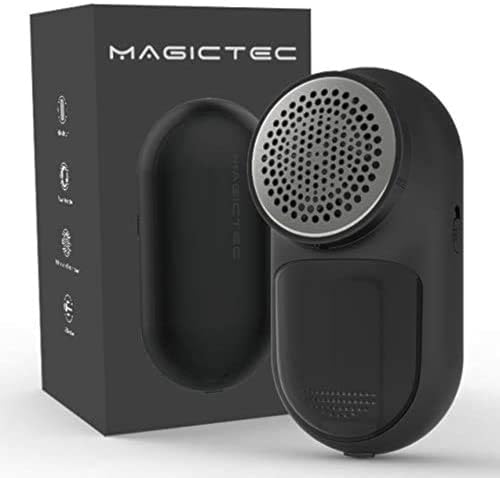
The Magictec stands out because of its high-speed motor and rechargeable battery, which eliminates the frustration of constantly swapping out AA batteries. For a knitter, consistent power is the most important factor in preventing snagging.
A dying battery causes the blades to slow down, which is exactly when you’re most likely to catch a loose fiber or a piece of yarn. This unit maintains a steady speed until the charge is nearly depleted, ensuring a clean cut every time.
I find the ergonomic design particularly helpful during long sessions of garment maintenance. It sits comfortably in the hand, reducing fatigue when you are tackling a full-length cardigan.
Bymore Fabric Shaver: Best for Delicate Knits

When you are working with high-end fibers like angora, alpaca, or fine-gauge merino, you need a gentle touch. The Bymore is designed with a protective guard that keeps the blades at a safe distance from the fabric surface.
This is the tool I suggest for those intricate lace shawls where the yarn is fine and the stitch structure is fragile. It removes the fuzz without compromising the integrity of the yarn plies or the definition of your stitches.
It is essentially a "soft-start" device. It won’t clear a sweater in seconds, but it will keep your most precious projects looking pristine for years to come.
Beautural Lint Remover: Best Ergonomic Design
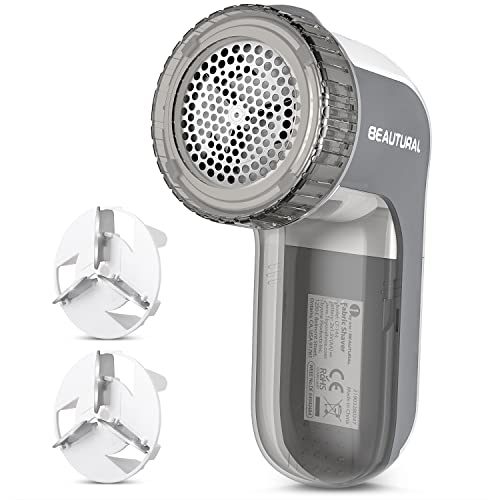
The Beautural is a delight to use because of its adjustable height settings and comfortable grip. If you have arthritis or simply find that your hands get tired after a long day of knitting, the shape of this handle makes a real difference.
The large, honeycomb-patterned foil is excellent at trapping pills of all sizes. It is particularly effective on sweaters with complex textures, where pills tend to hide in the valleys of cables or seed stitch.
You can adjust the height to suit the loft of your yarn. Whether you are shaving a flat stockinette sweater or a textured cable-knit, this tool adapts beautifully to the task.
How to Safely De-pill Your Hand-Knit Garments
Always start by laying your garment on a perfectly flat, firm surface, such as a blocking board or a sturdy table. Never attempt to shave a sweater while you are wearing it; you need the fabric to be taut but not stretched.
Before you begin, brush the garment lightly with a sweater stone or a natural bristle brush to stand the fibers up. This makes the pills easier for the shaver to catch and prevents you from shaving off bits of the yarn that aren’t actually pilled.
Work in small, gentle circular motions rather than long, aggressive strokes. If you feel any resistance, stop immediately—you have likely caught a loop of yarn, and forcing it will result in a snag or a hole.
Essential Tips for Extending Your Sweater Life
Pilling is a natural result of friction, but you can minimize it by choosing the right yarn for the right project. A tightly twisted, multi-ply yarn will almost always pill less than a lofty, single-ply yarn.
When washing, always use a delicate wool wash and turn your sweaters inside out. This protects the outer surface of the knit from rubbing against the drum of the machine or other garments.
Finally, give your sweaters a "rest day." Wearing the same wool garment every single day doesn’t give the fibers time to recover their natural shape and elasticity, which leads to faster wear and more frequent pilling.
Understanding Fiber Types and Pilling Risks
Not all fibers are created equal when it comes to pilling. Understanding your materials is the first step in effective maintenance.
- Superwash Merino: Highly prone to pilling because the treatment process makes the fibers slicker and more inclined to migrate.
- Alpaca and Mohair: These fibers have a natural halo that tends to mat and pill quickly; they require a very gentle touch.
- Synthetic Blends: Often pill more than natural fibers because the synthetic filaments are stronger and hold onto the pills rather than letting them wear off naturally.
- High-Twist Wools: The best choice for durability; the tight twist locks the fibers in place, making them much more resistant to friction.
Maintaining your hand-knits is a labor of love that extends the life of your creative efforts. By choosing the right shaver for your specific fiber types and using a gentle, careful technique, you can keep your favorite sweaters looking brand new for decades. Remember that a little bit of maintenance goes a long way toward preserving the quality of your work. Happy knitting, and may your sweaters stay fuzz-free.