7 Best Ergonomic Grips For Preventing Hand Fatigue
Discover 7 ergonomic grips designed to reduce strain. Learn how these tools improve posture and minimize hand fatigue for a more comfortable, productive day.
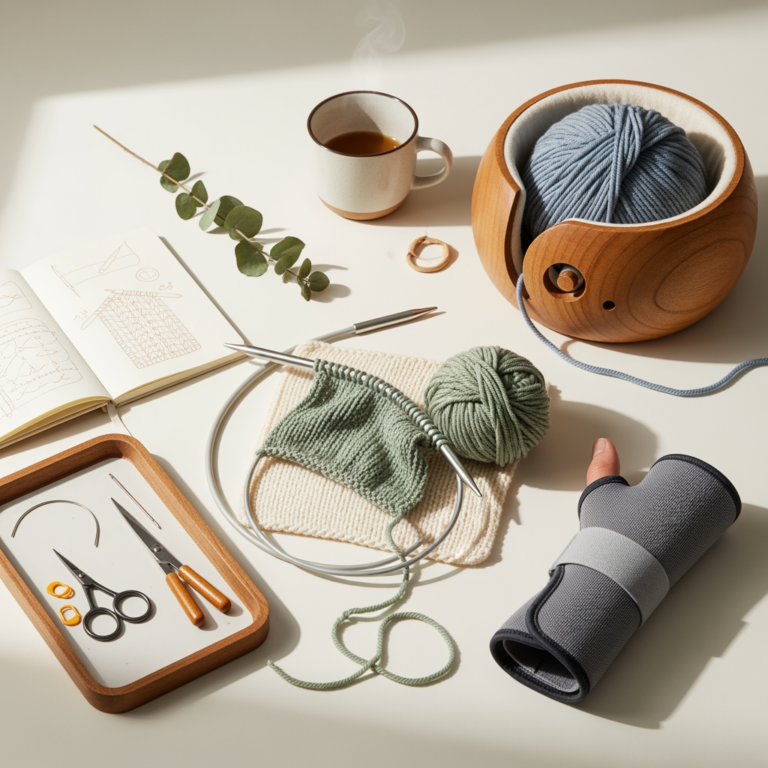
Nothing ruins a marathon knitting session or a complex lace project faster than the dull, throbbing ache of hand fatigue. As someone who has spent two decades working with everything from cobweb-weight silk to bulky wool roving, I know that your tools are the first line of defense against repetitive strain. Finding the right ergonomic grip isn’t just about comfort; it is about extending the longevity of your craft. Let’s explore the best tools to keep your hands nimble and pain-free for years to come.
Addi Swing Ergonomic Crochet Hook Set Review


The Addi Swing hooks feature a unique, curved handle designed to align with the natural anatomy of the hand. This shape encourages a relaxed grip, which is vital when you are working on tight, intricate amigurumi projects where tension control is everything.
The handle is long and weighted, providing a substantial feel that prevents the "death grip" many beginners develop. Because the hook is made of smooth, high-quality metal, your yarn glides effortlessly, reducing the friction that often leads to wrist strain.
However, the unconventional shape takes some getting used to if you are accustomed to straight, inline hooks. If you have very large or very small hands, the fixed curve might not align perfectly with your palm. Bottom line: Excellent for those who suffer from carpal tunnel symptoms, provided you give yourself a few hours of practice to adjust.
Clover Amour Ergonomic Hook Comfort Guide

Clover Amour hooks are widely considered the gold standard for accessibility and comfort in the fiber arts community. The handle is made of a soft, elastomer rubber that provides just enough "give" to cushion your fingers without feeling squishy or unstable.
These are particularly effective for knitters who occasionally dabble in crochet or need a hook for picking up dropped stitches. The color-coded sizing makes it incredibly easy to grab the right tool mid-project without squinting at tiny etched numbers.
One common misconception is that these hooks are too light, but the balance between the head and the handle is actually quite precise. If you tend to knit with a tight gauge, the slight friction of the rubber grip can actually help you maintain better control over your yarn tension. Bottom line: The most reliable, "buy-it-once" ergonomic option for almost any skill level.
Tulip Etimo Red Cushion Grip Hook Analysis

The Tulip Etimo Red hooks are crafted with a matte finish that is specifically designed to prevent light reflection, which can be a godsend during long evening knitting sessions. The cushion grip is soft yet firm, striking a perfect balance between comfort and tactile feedback.
The hook head itself is polished to a mirror finish, allowing it to slide through even the most "splitty" cotton or bamboo yarns with minimal resistance. This reduction in drag means your hands don’t have to work as hard to pull the yarn through the loop.
Because the handle is slightly shorter than others on this list, it is ideal for those who hold their tools with a pencil grip rather than a knife grip. If you have a tendency to drop stitches, the precision of the tip will help you catch them with ease. Bottom line: A premium investment that rewards the user with superior smooth-action performance.
Furls Odyssey Metal Ergonomic Hook Review

Furls Odyssey hooks are heavy-duty, luxury tools designed with a teardrop-shaped handle that fills the palm completely. This shape is engineered to distribute the pressure of your grip across the entire hand, rather than concentrating it in the thumb and forefinger.
The weight of the metal is a double-edged sword; it provides a sense of stability, but it can be fatiguing if you are used to ultra-light plastic tools. These are best suited for those who knit or crochet with a very light touch and want the tool to do the heavy lifting.
If you struggle with arthritis, the thickness of the handle is a major advantage because it requires less flexion of the finger joints. Bottom line: If you prefer a substantial, weighted tool that encourages a relaxed, open-palm grip, this is your best choice.
Boye Ergonomic Aluminum Crochet Hook Set
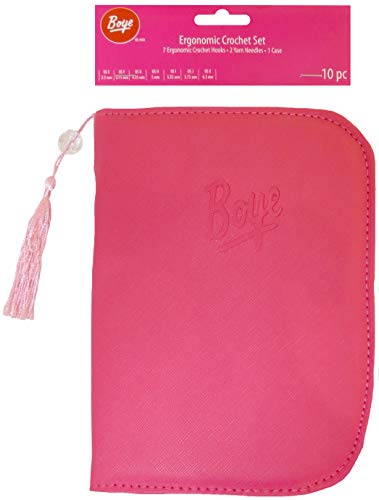
Boye hooks are the classic workhorse of the knitting and crochet world, and their ergonomic line brings that familiarity into a more comfortable form factor. The handles are wider and flatter than traditional hooks, which helps stop the tool from rotating in your hand.
These are an excellent entry point for beginners who aren’t ready to invest in high-end luxury tools but need relief from standard thin metal hooks. They are durable, easy to clean, and hold up well to years of heavy use.
The tradeoff here is that the grip material is slightly harder than the premium brands, offering less shock absorption. Bottom line: A solid, budget-friendly choice for those who need a wider grip without the high price tag of boutique brands.
Prym Ergonomic Plastic Hook Performance

Prym takes a completely different approach by using high-performance, lightweight synthetics to create a hook that feels almost weightless. The handle is flexible and shaped to fit the hand, which helps reduce the tension that builds up during long sessions of lace knitting or fine-gauge work.
Because the material is plastic, it has a slightly different "feel" against the skin compared to metal or rubber. Some knitters prefer this, as it doesn’t get cold in the hand during winter months, which can be a factor for those with poor circulation.
The hook head is uniquely shaped to minimize splitting, which is a common issue with multi-ply wools. Bottom line: Perfect for knitters who prefer a lightweight, warm-to-the-touch tool that minimizes hand fatigue through sheer ergonomics.
Susan Bates Soft Ergonomic Handle Hooks
Susan Bates hooks are famous for their inline head design, which is a favorite among those who prioritize consistent stitch size. The addition of the soft ergonomic handle turns a traditional tool into a much more comfortable experience for extended use.
The inline head is particularly useful for beginners who are still struggling to keep their gauge consistent. It forces a more uniform loop size, which translates to a more even fabric once your project is blocked.
The grip itself is simple and effective, providing enough diameter to ease the strain on the tendons in your wrist. Bottom line: The best choice for those who love the precision of an inline hook but need extra comfort for their joints.
How to Choose the Best Grip for Hand Fatigue
Choosing the right grip is as much about your personal anatomy as it is about the project at hand. If you have smaller hands, avoid overly thick handles that force your fingers into an unnatural, stretched position.
Consider your grip style:
- Pencil Grip: Look for hooks with a shorter, more tapered handle.
- Knife Grip: Look for hooks with a wider, rounded, or teardrop-shaped handle.
Always consider the weight of your yarn. If you are working with heavy, rustic wool, you need a tool that offers more control, whereas delicate lace projects benefit from lighter tools that allow for subtle, precise movements. Bottom line: There is no "one size fits all"—choose the tool that feels like a natural extension of your hand rather than a foreign object.
Proper Knitting Posture to Reduce Joint Pain
Even the best ergonomic tool cannot compensate for poor posture. When knitting, keep your elbows close to your body and your shoulders relaxed; hunching over your work creates tension that travels directly down your arms to your wrists.
Ensure your feet are flat on the floor and your chair provides adequate lumbar support. If you find yourself leaning forward, raise your project by using a pillow on your lap to bring the needles closer to your eye level.
Taking frequent breaks is non-negotiable. Every 30 minutes, put your work down, stand up, and shake out your hands to reset your muscle tension. Bottom line: Ergonomics is a holistic practice; your chair and your posture are just as important as the tool in your hand.
Essential Stretches for Knitting Hand Health
Hand health requires maintenance, just like your needles and yarn stash. Start by gently extending your arm in front of you, palm up, and using your other hand to pull your fingers back toward your body to stretch the forearm.
Next, perform "tendon glides" by curling your fingers into a claw, then a fist, and then straightening them completely. These movements help keep the synovial fluid in your joints moving, which is essential for preventing stiffness.
Finally, don’t forget your thumbs. Gently massage the base of your thumb where it meets the palm, as this is the most common site for knitting-related repetitive strain. Bottom line: Spend five minutes stretching before you start and five minutes after you finish to keep your hands limber for the long haul.
Investing in the right ergonomic tools is a sign of a serious knitter who values their craft and their health. Whether you choose the weighted comfort of a Furls hook or the accessibility of a Clover Amour, the goal is always to keep the process enjoyable. Remember that your hands are your most valuable knitting asset, so treat them with the care they deserve. Happy knitting, and may your stitches always be even and your hands always be pain-free.