6 Best Adhesive Glues For Finishing Felted Items
Choosing the right adhesive is vital for felted crafts. Discover our top six glue picks to ensure your projects remain durable, neat, and professional-looking.
Finishing a felted project is the final, rewarding step that transforms a pile of loose wool into a structured, durable heirloom. However, choosing the right adhesive is just as critical as selecting the right needle size for your gauge. A poor glue choice can leave unsightly stains, stiffen your fabric, or fail entirely under the stress of daily use. These six adhesives are the industry standards that will ensure your hard work stays securely intact.
E6000 Craft Adhesive: Best for Heavy-Duty Bonds
When you are attaching heavy embellishments like metal clasps, thick leather straps, or wooden toggles to a felted bag, E6000 is your workhorse. It creates a rubbery, flexible bond that moves with the felted wool rather than cracking against it.
Because it is a high-viscosity industrial adhesive, it doesn’t soak into the fibers and disappear. This makes it ideal for porous surfaces where other glues might simply vanish into the wool.
The trade-off is the cure time and the fumes. You must work in a well-ventilated area and allow a full 24 to 72 hours for the bond to reach its maximum strength.
Aleene’s Original Tacky Glue: Best for Precision


Aleene’s is the classic choice for crafters who need a reliable, water-based glue that stays exactly where you put it. It is thick enough that it won’t run or bleed into the surrounding felted surface, which is vital when you are adding delicate fabric appliques.
This glue dries clear and remains somewhat flexible, which is essential for felted items that might undergo minor stretching or compression. It is also non-toxic and cleans up with water, making it a safe choice for projects involving children or pets.
However, avoid using this for items that will be exposed to moisture, as it is not waterproof. It is best reserved for decorative elements that won’t face heavy wear and tear.
Beacon Fabri-Tac: Best for Quick-Dry Applications
If you are the type of knitter who hates waiting for glue to set, Fabri-Tac is the gold standard for immediate results. It grabs the fabric almost instantly, meaning you don’t have to hold pieces in place for several minutes.
It is remarkably strong and holds up well against the natural oils and fibers of wool. Because it dries relatively thin, it won’t create a bulky, hard lump on your finished piece.
Be aware that it contains solvents, so it has a strong odor upon application. Always use it in a well-ventilated space and keep the cap sealed tightly to prevent the glue from thickening in the bottle.
Gorilla Super Glue Gel: Best for Small Details
Sometimes you need to attach a tiny bead, a glass eye to a felted toy, or a delicate metal finding that requires surgical precision. The gel formula of Gorilla Super Glue is perfect here because it won’t drip or run into the surrounding wool.
Unlike the liquid version, the gel stays in a controlled bead, allowing you to place it exactly where needed. It creates an incredibly rigid, permanent bond that is ideal for non-porous materials being attached to the felt.
Keep in mind that this glue dries hard and brittle. It is not suitable for areas of the felted item that need to bend or flex, as the bond may eventually snap.
Gutermann HT2 Textile Glue: Best for Fabric Work
Gutermann HT2 is a specialized adhesive designed specifically for the rigors of textile work. It is excellent for bonding fabric linings inside felted totes or attaching ribbon trims along the edges of a felted hat.
It is heat-resistant and washable, which makes it a superior choice for garments that might eventually need a gentle soak or spot cleaning. It also resists aging, so your project won’t yellow or degrade over time.
The application requires a steady hand, as the glue is quite fluid. Use a toothpick or a small brush to apply it in thin, even layers to avoid any visible seepage on the outside of your felt.
Loctite Ultra Gel Control: Best for Clean Finish
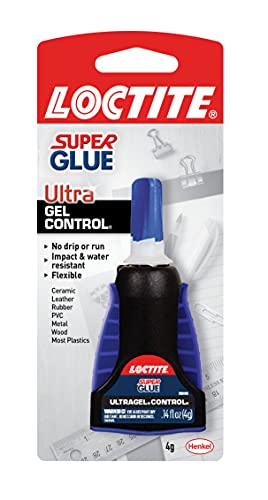
The unique applicator on the Loctite Ultra Gel Control bottle is a game-changer for knitters who struggle with messy glue bottles. It allows for precise, drop-by-drop application, ensuring that you don’t end up with a glob of glue ruining your surface.
The gel formula is "no-run," making it perfect for vertical surfaces or complex shapes where gravity would normally pull the glue out of position. It bonds almost instantly, which is perfect for those final finishing touches.
Because it is a cyanoacrylate, it creates a very strong bond that is difficult to reverse. Double-check your placement before making contact, as you will have very little room for error once the surfaces touch.
Factors to Consider When Gluing Felted Projects
When selecting an adhesive, consider the weight and texture of the item you are attaching. A heavy metal buckle requires a different chemical composition than a lightweight silk ribbon.
Think about the end-use of the item. A felted coaster that sits on a table needs a heat-resistant glue, while a felted purse that gets tossed around requires a flexible, shock-resistant bond.
Also, consider the porosity of your felt. If your wool is felted to a very dense, hard consistency, it will act like a solid surface; if it is softer, the glue will penetrate deeper, which can actually strengthen the bond.
How to Properly Apply Adhesive to Felted Wool
Always test your glue on a hidden swatch of the same felted material first. This allows you to check for color changes, stiffness, or unwanted bleeding before you commit to the actual project.
When applying, less is almost always more. Use a toothpick to apply the adhesive to the back of the object you are attaching, rather than directly onto the felted surface.
Press the item firmly into place and use a heavy object or a clamp to hold it while it cures. This ensures a tight, permanent bond that accounts for the natural loft and texture of the wool.
Troubleshooting Common Felt Bonding Mistakes
If you accidentally get glue on the surface of your felt, do not rub it. Rubbing will only push the adhesive deeper into the fibers and create a permanent, matted spot.
Instead, let the glue dry completely. Once dry, you can often gently pick or scrape the excess off with your fingernail or a pair of sharp embroidery scissors.
If the bond fails, it is usually because the felt surface was too dusty or the glue was applied too thickly. Clean the surface with a soft brush, re-apply a thinner layer of adhesive, and allow for a longer curing time.
Essential Safety Tips for Using Craft Adhesives
Always prioritize ventilation, especially when working with solvent-based adhesives like E6000 or Fabri-Tac. Open a window or use a fan to ensure you aren’t breathing in concentrated fumes.
Keep your workspace organized and keep the glue away from your knitting needles and yarn stash. A single drop of super glue on a pair of bamboo needles can permanently ruin the finish, causing your yarn to snag for years to come.
Finally, always wear safety glasses when working with high-strength adhesives. A stray drop can cause significant irritation if it splashes into your eyes during application.

Choosing the right adhesive is a skill that develops alongside your knitting technique, turning raw wool into polished, professional-grade accessories. By understanding the specific properties of these glues, you can ensure your projects are as durable as they are beautiful. Remember that patience during the curing process is just as important as the quality of the glue itself. Take your time, test your materials, and enjoy the satisfaction of a perfectly finished piece.