
6 Best Storage Organizers For Adjustable Knitting Looms
Keep your adjustable looms tidy with these top 6 storage picks. Discover durable, space-saving organizers designed to protect your tools and keep yarn sorted.
Adjustable knitting looms are a fantastic way to scale your projects from tiny baby booties to massive, cozy blankets, but they come with a chaotic mountain of parts. Managing dozens of pegs, connectors, and loom keys can quickly turn a relaxing evening of knitting into a frustrating scavenger hunt. Finding the right storage solution isn’t just about tidiness; it’s about protecting your tools so they remain precise for every row. This guide helps you clear the clutter so you can focus entirely on your stitch tension and fiber choice.
KB Looms Adjustable Loom Carrying Case: Best Overall
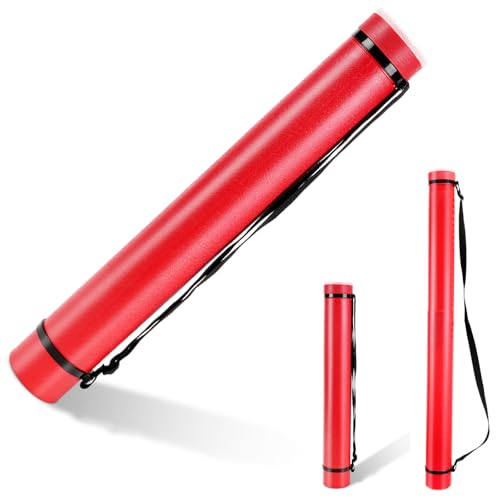

When you invest in a high-quality adjustable loom, you need a dedicated home for it that keeps the frame and all its moving parts together. The KB Looms carrying case is designed specifically to accommodate the unique, often awkward shapes of these looms.
Unlike generic bags, this case features structured compartments that prevent your loom frame from warping or getting crushed under other supplies. It is the gold standard for those who take their looms to knitting circles or on weekend retreats.
The primary tradeoff here is the footprint; it is a large, specialized bag that isn’t meant for anything else. If you are a minimalist knitter, you might find it bulky, but for the safety of your adjustable loom, it is an essential investment.
Darice Plastic Craft Storage Box for Loom Pegs

Loom pegs are small, easy to lose, and absolutely vital to your gauge. If you lose a single peg, your entire project pattern could be disrupted, especially when working on complex stitch designs or specific ribbing sequences.
The Darice craft box offers individual compartments that are perfect for sorting your pegs by size or type. I recommend labeling these sections, as some adjustable looms use slightly different peg heads that can affect how your yarn slides over them.

Be aware that these plastic boxes can be brittle if dropped on a hard floor. While they are affordable, treat them with care to ensure the latches don’t snap off after a season of heavy use.
ArtBin Super Satchel for Large Loom Components
Sometimes you have more than just pegs; you have extra loom extensions, bulky tensioners, and specialized tools that simply won’t fit in a small box. The ArtBin Super Satchel is a favorite among veteran knitters because it is modular and deep enough for substantial gear.
The clear plastic allows you to see exactly what is inside without opening every lid, which saves time when you are midway through a project and need to swap an extension. It is durable enough to stack, which is a lifesaver if your craft room space is limited.
The downside is that without careful organization, these large bins can become "junk drawers." Use small inserts or dividers to keep your loom tools from sliding around and getting scratched by heavier equipment.
Sterilite Clear Stackable Bins for Loom Storage

If you own multiple loom sets, you likely have a storage problem that goes beyond small parts. Sterilite stackable bins are the most practical way to store entire loom frames, instruction manuals, and even your stash of yarn for current projects.
These bins are transparent, which is critical for identifying which loom is inside without having to pull everything off the shelf. They are also inexpensive, allowing you to scale your storage as your collection of looms grows.
Always ensure the bins are stored in a cool, dry place to prevent moisture buildup. Since most looms are made of high-quality plastic or wood, you want to avoid environments where humidity could cause warping or degradation over time.
Creative Options Pro-Latch Organizer for Loom Pins
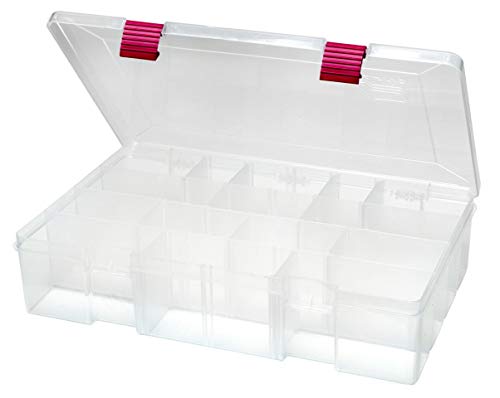
The Pro-Latch system is a game-changer for those who find themselves constantly losing their loom pins. The secure, heavy-duty latch ensures that even if the box is turned upside down in your knitting bag, your pegs won’t spill out.
This is particularly important if you work with different peg types, such as those with rounded vs. flat tops, which can change the "feel" of your yarn as you knit. Keeping these separated ensures your stitches remain consistent across the entire loom.
The tradeoff is that these organizers are often smaller than you expect. They are perfect for travel, but if you have a massive collection of spare parts, you might need to buy several to keep everything categorized.
Plano Molding Company Tackle Box for Loom Tools

It might seem unconventional to look in the fishing aisle, but tackle boxes are arguably the most durable storage for knitting tools. The Plano boxes are built to withstand rugged environments, making them ideal for the long-term storage of your metal loom hooks and tensioning tools.
The cantilever trays allow you to see all your tools at once, which is incredibly helpful when you are working on a project that requires multiple hook sizes. You can quickly grab your loom hook, tapestry needle, and stitch markers in one go.
Keep in mind that these boxes are often heavier than craft-specific organizers. If you prefer a lightweight setup for knitting on the go, this might be better suited for your home workstation rather than your commute.
Essential Factors for Choosing Loom Storage Units
When selecting a storage unit, consider the material of your loom first. Wooden looms require a more breathable storage environment, while plastic looms need protection from direct heat that could cause the frame to bow.
Think about your "knitting workflow." Do you keep your loom set up permanently, or do you break it down after every project? If you break it down, you need a system that prioritizes quick access and easy reassembly.
- Portability: Do you knit at home or on the go?
- Accessibility: How quickly can you find the specific peg you need?
- Scalability: Will this storage solution hold your next loom purchase?
- Protection: Does the container prevent the loom from bending or warping?
Organizing Your Loom Pegs and Small Accessories
I cannot stress this enough: label your peg compartments. Even if you think you’ll remember which peg is the "long" one and which is the "short" one, you will eventually mix them up during a long knitting session.
Use small zip-top bags inside your bins to keep your loom keys and tensioning tools separate from the pegs. This prevents the metal tools from scratching the plastic finish of your pegs, which could snag your yarn while you work.
If you are working with delicate fibers like silk or fine wool, even a tiny scratch on a peg can cause the yarn to split. Keeping your tools smooth and well-organized is a direct factor in the quality of your finished fabric.
Maintenance Tips for Your Adjustable Knitting Looms
Your loom is a precision tool, and like any knitting needle, it needs maintenance. Periodically check the channels where your loom slides and locks; if dust or yarn fiber builds up, the loom may not close securely, which can ruin your gauge.
Before storing your loom for a long period, wipe the pegs down with a soft, lint-free cloth to remove any skin oils or yarn residue. This prevents the buildup of "gunk" that can make the pegs sticky and difficult to work with later.
If you have a wooden loom, consider a light application of wax if the wood feels dry or splintery. A smooth surface is non-negotiable when you are working with high-twist yarns that tend to catch on imperfections.
How to Protect Your Looms During Long-Term Storage
If you are putting your looms away for a few months, avoid storing them in attics or basements where temperature fluctuations are extreme. Plastic frames can become brittle in the cold or warp in the heat, while wooden looms can expand and contract, leading to cracks.
Always disassemble the loom if you are storing it in a small bin to relieve tension on the joints. This ensures that when you pull it out for your next project, the frame is perfectly square and ready for casting on.
Finally, place a silica gel packet inside your storage container to manage humidity. It is a small, inexpensive step that protects your investment from the slow damage of moisture, ensuring your loom stays in perfect condition for years to come.
Organizing your loom tools is much like organizing your yarn stash; it is a personal process that evolves as your skills grow. By choosing the right storage, you remove the friction that often prevents us from starting that next big project. Take the time to set up a system that works for your specific space, and your future self will thank you. Happy knitting, and may your tension always be perfectly even.
