6 Best Reference Cards For Yarn Weights To Keep Handy
Simplify your knitting projects with these 6 essential yarn weight reference cards. Master gauge, fiber types, and substitutions to ensure perfect results.
Every knitter has experienced the frustration of starting a project only to realize the yarn weight doesn’t quite match the pattern’s requirements. Having a reliable reference card at your fingertips eliminates the guesswork that often leads to oversized sweaters or undersized hats. These tools serve as the bridge between the yarn in your stash and the professional results you crave. Mastering these references is the first step toward becoming a truly confident, autonomous maker.
The Craft Yarn Council Standard Weight System Card
The Craft Yarn Council (CYC) system is the industry gold standard for a reason. It provides a universal language of numbers zero through seven, helping knitters identify everything from delicate lace to jumbo roving.
Most yarn labels now include this iconic "skein" icon, making it incredibly easy to cross-reference your stash with pattern requirements. If you are a beginner, look for this symbol first; it is the most reliable way to ensure your yarn matches the designer’s intent.
However, remember that this system is a general guide, not a strict rulebook. Two different yarns labeled as "Worsted" (Weight 4) can have vastly different yardages and fiber characteristics. Always prioritize your actual swatch gauge over the label’s weight category.
The Jimmy Beans Wool Yarn Weight Reference Card


Jimmy Beans Wool offers a beautifully designed, compact card that is perfect for tucking into a project bag. It’s less about a formal classification system and more about providing a quick, tactile visual for various yarn thicknesses.
What I love about this card is its portability. When you are at a fiber festival or a local shop, you can hold a strand of mystery yarn against the card to see where it fits in the spectrum.
The trade-off here is durability; these cards are often printed on heavy cardstock rather than plastic. If you keep it in a bag with sharp needles or scissors, it will eventually show wear. Treat it as a disposable utility tool rather than a permanent heirloom.
The Knitters Pride Yarn Gauge and Needle Ruler

This tool is a multi-tasker’s dream, combining a needle sizer with a yarn weight reference guide. It’s particularly useful if you have a collection of vintage needles with worn-off markings.
The gauge ruler allows you to check your needle size while simultaneously checking the thickness of your yarn. This is a crucial step if you are substituting a yarn and need to confirm if your new choice will behave similarly to the original.
Be aware that these plastic tools can sometimes warp if left in a hot car or near a heater. Check the ruler against a known needle size occasionally to ensure the plastic hasn’t stretched or shrunk over time.
The Cocoknits Maker’s Keep Yarn Weight Reference
Cocoknits is known for thoughtful, minimalist design, and their reference tools are no exception. Their system is designed to integrate seamlessly into a modern maker’s workflow, often featuring magnetic components or sleek, durable materials.
This is an excellent choice for the knitter who values aesthetics as much as functionality. The materials are usually high-quality and designed to withstand years of use in a busy knitting bag.
The primary trade-off is the price point, which is higher than a standard paper or plastic card. You are paying for the design and the brand’s commitment to high-end, functional accessories.
The Nancy’s Knit Knacks Yarn Gauge Tool Set
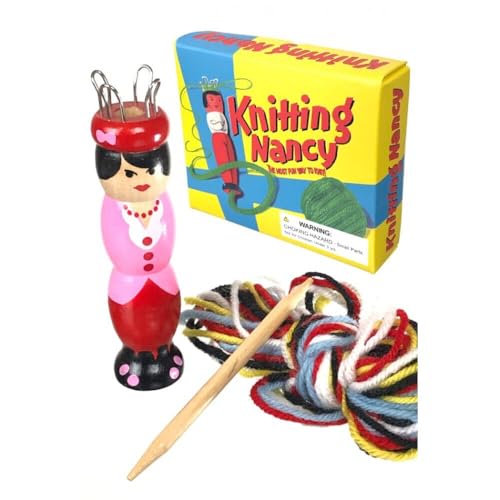
If you are a technical knitter who loves precision, this set is for you. Nancy’s Knit Knacks provides tools that go beyond simple weight categories, often including slots for measuring WPI (Wraps Per Inch) with extreme accuracy.
These tools are built for those who want to understand the "why" behind their yarn choice. If you enjoy experimenting with hand-spun yarn or mystery thrift-store finds, these tools provide the data you need to make informed decisions.
Because they are feature-rich, they can be slightly more complex to use than a simple color-coded card. Take the time to read the instructions, as these tools are designed for high-precision measurement rather than quick-glance estimates.
The Susan Bates Knit-Chek Weight Guide and Ruler
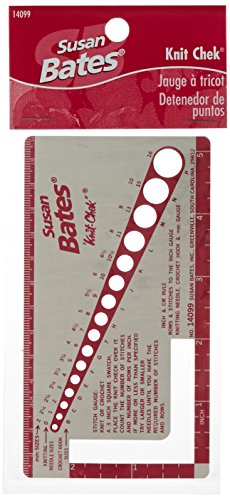
The Knit-Chek is a classic for a reason; it’s an all-in-one tool that has been in knitting bags for decades. It measures needle size, stitch gauge, and yarn weight in one rigid, reliable piece of plastic.
It is incredibly affordable and nearly indestructible. If you are prone to losing your tools, this is the one to buy in bulk and keep in every project bag you own.
The downside is that it lacks the modern, refined aesthetic of newer boutique tools. It is purely utilitarian, but in the world of knitting, sometimes the simplest, most rugged tool is the one that gets the job done best.
Why Yarn Weight Accuracy Matters for Your Gauge
Gauge is the single most important factor in whether a project fits or fails. Even if you match the yarn weight category, variations in fiber elasticity and ply can throw your stitch count off significantly.
- Elasticity: Wool has "memory" and bounce, while cotton or linen is inelastic and can result in a tighter fabric.
- Ply: A high-twist, 4-ply yarn will knit up differently than a soft, single-ply roving of the same weight.
- Fiber Content: Superwash wool tends to grow after blocking, whereas alpaca may sag over time.
If your gauge is off, your reference card is your first line of defense. Use it to re-evaluate your yarn choice before you invest hours into a project that won’t fit.
How to Measure Wraps Per Inch for Mystery Yarns
When you find a beautiful skein of yarn without a label, WPI is your best friend. Wrap the yarn snugly—but not stretched—around a ruler or a dedicated WPI tool for one inch.
- Lace: 20+ wraps per inch
- Fingering: 14–18 wraps per inch
- DK: 11–13 wraps per inch
- Worsted: 9–10 wraps per inch
- Bulky: 6–8 wraps per inch
Consistency is key here. If you pull the yarn too tight, you will overestimate the weight; if you wrap it too loosely, you will underestimate it. Practice on a yarn you already know to calibrate your "touch."
Translating Global Yarn Weight Terminology Tips
Yarn weight names vary wildly across the globe, which can be confusing for international patterns. A "DK" yarn in the UK might be called "8-ply" in Australia, while the US focuses on the CYC number system.
Always look for the yardage-to-weight ratio on the label if you are confused. If a 50g ball has 200 meters, it is almost certainly a fingering weight, regardless of what the label calls it.
Don’t be afraid to look up a brand’s specific weight charts online. Most major manufacturers provide conversion tables that help you translate their specific terminology into the universal CYC system.
Best Practices for Storing Your Reference Cards
Because these cards are often small, they are prone to disappearing into the depths of a knitting bag. I recommend using a hole punch to attach your cards to a binder ring along with your needle gauges and stitch markers.
Keep your cards away from direct sunlight, which can fade the markings over time. If you use plastic tools, store them flat to prevent them from warping under the weight of heavy needles or books.
Finally, keep your most-used reference card in your primary "go-bag." If you have to dig for it, you are less likely to use it, and that is when gauge errors start to creep into your work.
Investing in a reliable yarn weight reference card is one of the most cost-effective ways to improve your knitting. By taking the guesswork out of your yarn selection, you ensure that your time and effort result in garments you will actually wear. Keep these tools accessible, trust your swatches, and never be afraid to verify your yarn before you cast on. Happy knitting, and may your gauge always be perfect.