7 Best Button Sewing Needles For Heavy Weight Yarns
Selecting the right needle is vital for heavy yarns. Our guide reviews 7 durable needles that ensure secure, professional button attachments for thick fabrics.
Attaching a button to a heavy-weight hand-knit cardigan or a thick wool coat is often where the project feels most vulnerable. Using a standard sewing needle with bulky yarn is a recipe for snapped threads and frustration. These seven needle recommendations are specifically curated to handle the unique demands of thick fibers and dense fabric structures. Choosing the right tool ensures your hard work stays securely attached for years to come.
Dritz Heavy Duty Upholstery Needles: Best Overall


When you are working with chunky, multi-ply yarns that barely fit through a button shank, you need a needle that offers structural integrity. The Dritz Heavy Duty Upholstery set provides the perfect balance of length and gauge.
These needles are designed to pierce through dense layers without flexing or bending under pressure. Because they are slightly longer than standard sewing needles, they provide extra leverage when you are pulling thick yarn through a tight buttonhole.
The trade-off here is the size; they are not intended for delicate work. However, for a heavy-duty winter sweater, they are the gold standard for reliability. Choose these when you need a workhorse that won’t fail during the final assembly.
Bohin Chenille Needles Size 18: Best for Durability

Bohin needles are legendary in the sewing world for their exceptionally smooth finish and resistance to oxidation. When working with wool, you want a needle that glides through the fibers without snagging or splitting the yarn.
The Size 18 Chenille needle features a sharp point that easily navigates through dense knitted fabric. Unlike cheaper needles that can develop burrs over time, these remain smooth, protecting your yarn from unnecessary wear.
They are an investment, but they last significantly longer than mass-produced alternatives. If you find yourself constantly breaking needles on thick projects, switch to Bohin for a noticeable difference in longevity.
Clover Gold Eye Chenille Needles: Best for Comfort

The "Gold Eye" feature on these Clover needles isn’t just for aesthetics; it provides a smooth transition that prevents your yarn from catching as you pull it through the fabric. For knitters who struggle with hand fatigue, the eye design makes threading significantly easier.
These needles are polished to a high sheen, which reduces friction against the yarn. This is particularly helpful when working with high-friction fibers like mohair or sticky, non-superwash wools.
They are slightly more flexible than heavy-duty upholstery needles, which some find more comfortable for maneuvering in tight spaces. Use these when you want a needle that feels ergonomic and minimizes resistance during the sewing process.
Singer Assorted Upholstery Needles: Best Value Pack
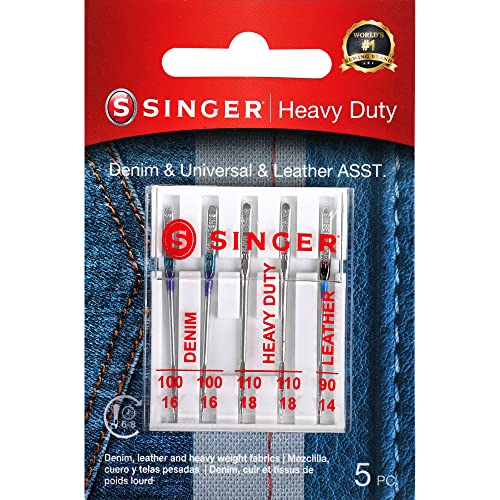
Sometimes you need a variety of sizes to see what works best for a specific button shank. This assorted pack from Singer offers a range of gauges, allowing you to experiment without buying multiple sets.
These are ideal for the knitter who keeps a well-stocked craft room but doesn’t want to invest heavily in specialized tools. They are sturdy, reliable, and handle thick yarn weights with ease.
While they may not have the refined finish of a boutique brand, they get the job done efficiently. Keep this pack in your kit for those "just in case" moments when you’re working with an unusually thick button.
John James Chenille Needles Size 13: Best Precision
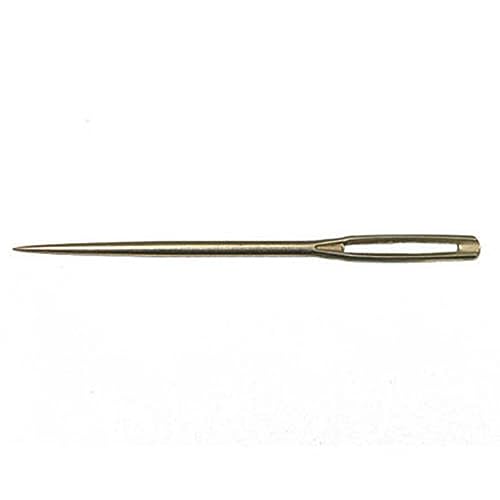
Size 13 is a substantial needle, perfect for those who work with bulky or super-bulky weight yarns. John James is a heritage brand known for precise manufacturing, ensuring that the eye of the needle is perfectly aligned with the shaft.
The sharpness of these needles allows you to weave through the "legs" of your knitted stitches with surgical precision. This is vital when you need to anchor a button without distorting the surrounding fabric.
Because they are quite thick, they are best suited for heavier gauge knits. Use these when you need to secure a large coat button and require a needle that won’t lose its shape under high tension.
Tulip Tapestry Needles Grade 13: Best Smooth Finish
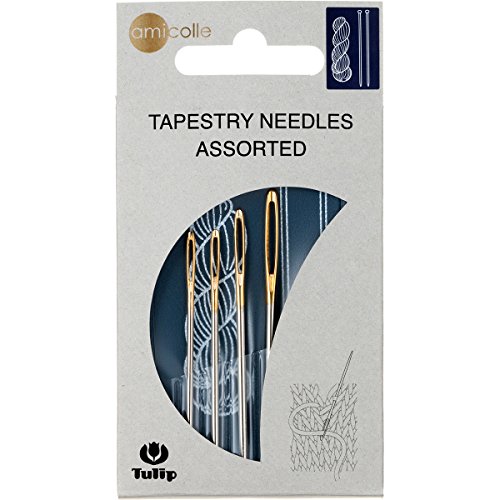
Tulip needles are widely considered the pinnacle of needle manufacturing. They undergo a special polishing process that creates a surface so smooth, it feels like it’s gliding through butter.
The tip is rounded but sharp enough to pass through thick yarn plies without splitting them. This is essential when working with hand-dyed yarns that might be more susceptible to fraying.
While they are a premium product, the ease of use is undeniable. If you are working on an heirloom project where every detail matters, choose Tulip for a flawless finish.
Colonial Needle Co. Yarn Darner: Best for Thickness
A yarn darner is specifically designed for darning and repairing thick knitted items, making it perfect for button attachment. The shaft is long and sturdy, allowing you to take deep, secure stitches into the garment’s structure.
The eye of a yarn darner is remarkably large, accommodating even the thickest wool yarns without the need for a separate threading tool. This saves time and reduces the risk of the yarn fraying before you even begin sewing.
Because of their length, they are excellent for "burying" your yarn tails deep within the fabric after the button is attached. Select a yarn darner when you are using thick, multi-strand yarns that refuse to fit through standard needle eyes.
How to Select the Right Needle for Heavy Yarns
Selecting the right needle is as much about the yarn as it is about the button. If your yarn is a high-twist wool, you need a sharper point to avoid splitting the plies.
Consider the following factors when making your choice:
- Eye Size: Always match the eye to your yarn weight; if the yarn is too tight, it will fray and weaken.
- Shaft Thickness: The needle should be slightly smaller than the button shank to allow for easy passage.
- Point Shape: Use sharp points for dense, felted, or tightly knit fabrics; use blunt points for delicate lace or open-work knits.
Bottom line: If the yarn struggles to pass through the eye, the needle is too small, regardless of how well it fits through the button.
Essential Techniques for Secure Button Attachment
The most common mistake knitters make is sewing the button too tightly against the fabric. This causes the fabric to pucker and makes the button difficult to fasten.
Always create a "thread shank" by placing a toothpick or a spare needle between the button and the fabric while sewing. Once the button is secure, remove the spacer and wrap your yarn around the stitches between the button and the garment.
This small step creates a space for the fabric to sit when buttoned, ensuring a professional, functional finish. A secure button is one that has a bit of "breathing room" between it and the garment.
Troubleshooting Common Issues With Thick Yarns
If your yarn is snapping while you sew, check the edge of your button shank for sharp burrs. Sometimes, the issue isn’t the needle, but the hardware itself.
If you find that the yarn is pulling at the fabric, you may need to reinforce the backside of the button with a small "backing button" or a piece of ribbon. This distributes the tension across a larger area of the knit.
Finally, if your yarn is too thick for any needle, try splitting the yarn in half to create a thinner, yet still strong, thread for the attachment. Don’t force the yarn; if it feels like it’s straining, stop and reassess your technique.
Attaching buttons to heavy-weight knits is a skill that elevates your work from "homemade" to "handmade." By selecting the right needle and using proper attachment techniques, you ensure your garments remain functional for years. Remember that the best tool is one that complements your yarn, not one that fights against it. Happy knitting, and may all your buttons stay firmly in place.