6 Best Tapestry Needles For Attaching Fasteners
Selecting the right tapestry needle is vital for secure fasteners. This guide reviews the top 6 options, focusing on durability, eye size, and tip precision.
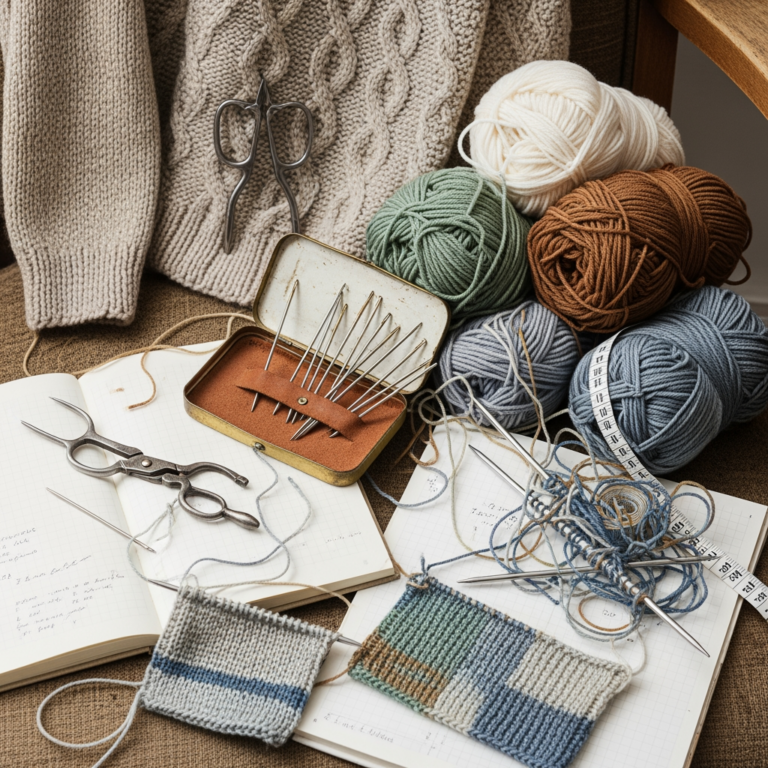
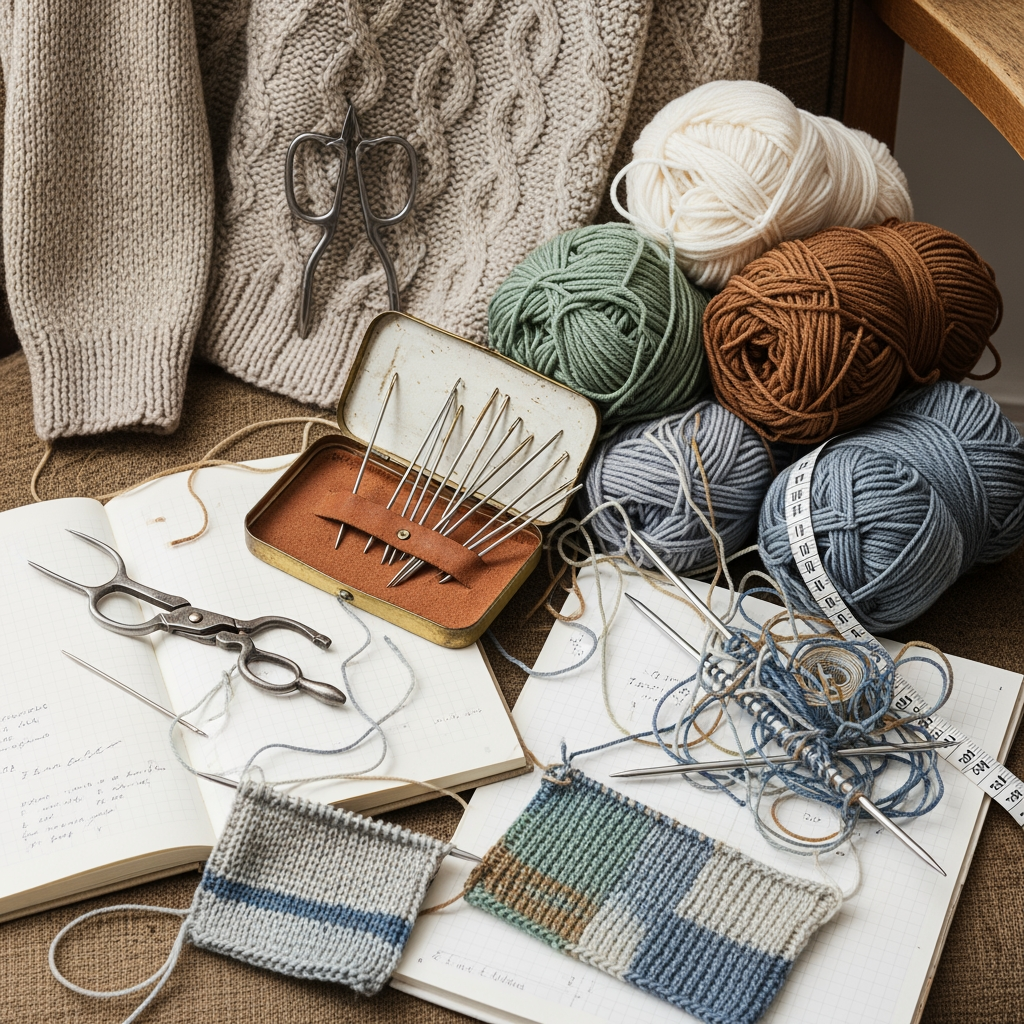
Finishing a project is often the most daunting part of the craft, yet the quality of your fasteners depends entirely on the tools you use to secure them. Using the wrong needle can split your yarn or leave unsightly bumps that ruin a clean edge. After two decades at the workbench, I have learned that the right tapestry needle is just as vital as the right pair of knitting needles. Here are the tools that make the difference between a handmade look and a professional finish.
Clover Chibi Bent Tip: The Best Overall Choice
These needles are a staple in my notions bag because they solve the most common frustration: grabbing stitches without piercing the yarn. The bent tip allows you to slide under knitted loops with ease, making it effortless to navigate through tight fabric.
The "Chibi" case they come in is a brilliant touch for keeping these small, easily lost tools organized. Whether you are weaving in ends on a bulky sweater or securing a button on a cardigan, the geometry of the tip does the heavy lifting for you.
They are the gold standard for most knitters because they balance flexibility and strength perfectly. If you only own one set of finishing needles, make it these.
Bohin France Steel Needles: Best for Durability


If you are working with high-twist wools or sticky alpaca fibers, you need a needle that won’t bend under pressure. Bohin needles are crafted with a level of precision that makes them incredibly resistant to warping, even when forced through dense, felted, or tightly knit swatches.
Their smooth nickel plating ensures they glide through fibers without snagging. This is critical when working with delicate hand-dyed yarns where a rough needle could cause pilling or fiber breakage.
They feel substantial in the hand, giving you better control during intricate finishing work. While they lack a bent tip, their structural integrity is unmatched for heavy-duty tasks.
Dritz Yarn Darners: Best Value for Beginners
When you are just starting out, it is easy to lose needles in the couch cushions or at the bottom of a project bag. Dritz Yarn Darners are inexpensive, widely available, and get the job done without any unnecessary frills.
They offer a classic, straight design that is excellent for learning the basics of duplicate stitch and end-weaving. Because they are affordable, you can keep a few in every project bag without breaking the bank.
They are not as refined as boutique options, but they are perfectly functional for standard acrylics and wool blends. For a learner building their first kit, these are the most practical starting point.
Tulip Hiroshima Tapestry Needles: Best Finish
Tulip needles are a luxury, but they are a luxury that pays off in the quality of your work. The manufacturing process creates an incredibly smooth eye that protects your yarn from abrasion during the threading process.

There is a noticeable difference in how these needles move through stitches; they feel almost frictionless. If you are finishing a high-end project like a cashmere shawl, you want a tool that treats the fiber with the same respect you gave it while knitting.
The tip is sharp enough to pierce when necessary but rounded enough to avoid splitting your yarn. They are an investment in your craft that you will appreciate every time you finish a row.
Susan Bates Finishing Needles: Best for Bulky
When you are working with super-bulky roving or thick, chunky weight yarns, standard needles often have eyes that are too small. Susan Bates needles are designed with larger eyes and thicker shafts, making them the go-to for heavy-gauge projects.
They are particularly useful for "seaming" heavy knits where you need to pull a thick yarn through a dense seam allowance. The plastic material is lightweight, which is a nice change of pace when working with needles that feel cumbersome.
While they aren’t for delicate lace, they are essential for the "big yarn" aesthetic that is so popular right now. Keep a pair of these handy for your winter blanket projects.
Cocoknits Steel Needles: Best Magnetic Option

Cocoknits has revolutionized notions management with their magnetic approach to needle storage. These steel needles are designed to stick to their magnetic coil or any other magnetic surface, ensuring you never accidentally leave a sharp needle in your finished garment.
The finish is matte and understated, which prevents the glare you sometimes get from polished nickel. They are thin, strong, and have a slight curve that mimics the benefits of a bent tip without being overly aggressive.
They are ideal for the knitter who values a tidy workspace and hates hunting for lost tools. It is a thoughtful design that prioritizes the realities of a busy knitting life.
Why Bent Tips Are Superior for Weaving Ends
A bent tip acts as a guide, allowing you to lift a strand of yarn without dragging the needle point through the plies of the stitch. When you use a straight needle, it is far too easy to "split" the yarn, which creates a visible lump and compromises the structure of your fabric.
By sliding the bent tip under the horizontal bars of your stitches, you can follow the path of the yarn exactly. This creates a "hidden" finish that is virtually invisible to the naked eye.
Once you switch to a bent tip, you will find it difficult to go back to a straight needle for weaving in ends. It is simply a more ergonomic way to navigate the architecture of a knitted garment.
Selecting the Right Eye Size for Your Yarn
The rule of thumb is simple: the eye of the needle should be just large enough to fit your yarn without excessive squishing. If the eye is too small, you will fray the yarn before you even begin the finishing process.
If the eye is too large, the needle will create a hole in your fabric as you pull it through, which can be difficult to close in delicate lace or fine-gauge stockinette. Always match your needle eye to the weight of your yarn.
- Lace/Fingering: Use a fine-gauge needle with a narrow eye.
- Worsted/DK: Use a medium-gauge needle with an oval eye.
- Bulky: Use a wide-eye needle to prevent yarn distortion.
Essential Tips for Securing Your Fasteners
Securing your ends isn’t just about hiding them; it is about ensuring they don’t migrate back to the surface after a few washes. Always weave your tails in the direction of the stitch, following the "V" shape of the knit.
Avoid pulling your yarn too tight, as this will pucker the fabric and ruin the drape of your garment. Leave a little bit of "ease" in the tail so the fabric can stretch naturally without the end popping out.
If you are working with slippery fibers like silk or bamboo, weave your ends in two different directions to create a "lock" that won’t budge. A little bit of extra care during this step saves you from having to repair the garment later.
How to Properly Hide Tails in Delicate Lace
Lace is unforgiving because any extra thickness or tension shows up immediately. When weaving in ends on lace, avoid the "back and forth" method that adds bulk to the fabric.
Instead, use a duplicate stitch technique on the wrong side of the work, following the path of the yarn through the existing loops. This keeps the weight of the tail distributed evenly across the fabric.
If the yarn is particularly fine, consider splitting the ply of the tail in half, weaving the two halves in different directions, and then trimming the excess. This reduces the bulk by half and makes the finish completely undetectable.
Choosing the right tapestry needle is a small detail that yields massive improvements in the professional quality of your finished garments. By matching your tool to your fiber and project, you ensure that your hard work stays secure and looks beautiful for years to come. Don’t be afraid to experiment with different shapes and materials until you find the set that feels like a natural extension of your hands. Happy knitting, and may your ends always be perfectly hidden.