7 Best Machine Oilers For Smooth Operation Reviewed
Keep your machinery running efficiently with our top picks. We review 7 reliable oilers to ensure precision, durability, and smooth performance for every tool.
Maintaining your knitting machine is just as vital as choosing the right wool for a delicate lace shawl. Without proper lubrication, the needle beds become sluggish, leading to dropped stitches and uneven tension. These seven machine oils are the industry standards for keeping your gear in top shape. Investing a few minutes in maintenance now will save you hours of frustration later.
Singer All-Purpose Machine Oil: Best Overall Choice
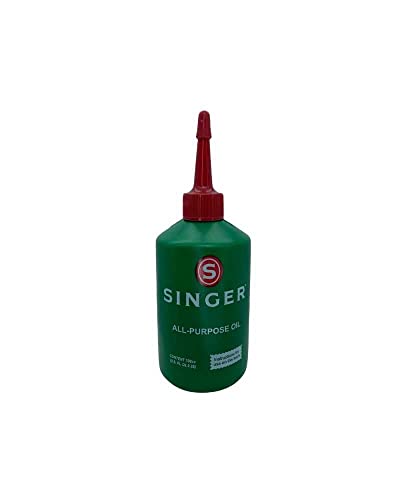

If you are just starting your journey with a mid-gauge knitting machine, this is the gold standard. It is thin enough to penetrate tight needle channels but viscous enough to stay where you put it.
Most new knitters make the mistake of using household oils like WD-40, which can actually gum up your machine over time. Singer oil is specifically formulated to prevent rust and oxidation on metal components. It’s the reliable workhorse that won’t let you down during a long session of stockinette.
Bottom line: If you only buy one bottle for your workshop, make it this one.
Zoom-Spout Turbine Oil for Precision Lubrication

The standout feature of this oil is the telescoping spout that reaches those hidden, awkward spots inside a carriage. When you’re trying to lubricate the internal cams of a complex punch-card machine, that extra reach is a lifesaver.
This is a turbine-grade oil, meaning it is exceptionally stable under high-speed friction. If you find your carriage feeling "heavy" or resistant as you move it across the bed, a drop of this in the right track makes an immediate, noticeable difference. It’s a cleaner, more refined product than standard mineral oils.
Use this when you need precision, not just a general coating. It’s perfect for the intricate moving parts that standard bottles can’t reach.
Liberty Oil Synthetic Blend for Smooth Operation
Synthetic lubricants are a game-changer for those who live in humid climates. Unlike natural oils that can break down or attract dust, Liberty Oil stays consistent regardless of the temperature in your craft room.
Because it is a synthetic blend, it provides a superior "slip" that is perfect for high-speed machine knitting. If you are working with sticky fibers like cotton or untreated wool, the reduced friction in your needle bed helps prevent the carriage from snagging. It’s a professional-grade choice for serious makers.
The tradeoff here is the price point, which is higher than standard mineral oils. However, you use so little that one bottle will last for years.
Sewing Machine Oil by Optex: Premium Grade Choice
Optex is a favorite among technicians because it is incredibly clear and non-staining. When you are working with white or light-colored luxury yarns like cashmere or silk, you cannot afford to have any residue transfer from the machine to your project.
This oil is highly refined to ensure it doesn’t leave a tacky film that attracts lint. Lint buildup is the enemy of any knitting machine, as it creates a "fuzz mat" that can eventually seize your needles. Optex keeps the track clean while providing excellent metal-on-metal protection.
If you are a perfectionist about your finished garments, this is the oil for you.
SINGER 2131E Oil for Vintage Knitting Machines

Vintage machines often have older metal alloys that require specific care. The 2131E formula is designed to be gentle on these older components while still providing the necessary lubrication for smooth carriage movement.
Many vintage machines have been sitting in attics for decades; they are often dry and prone to surface rust. This oil helps displace old, dried-up grease and prevents further corrosion. It’s the best choice for restoring an old Passap or Brother machine to its former glory.
Always wipe away the old, dark oil before applying this fresh coat. Cleanliness is the first step to a successful restoration.
Groz-Beckert Needle Oil for High-Speed Knitting

Groz-Beckert is the titan of the needle industry, and their oil is engineered specifically for the rapid, repetitive motion of knitting needles. If you are doing a lot of fair isle or complex stitch patterns that require heavy carriage work, this oil handles the heat buildup exceptionally well.
The viscosity is perfectly tuned to ensure that needles move freely in their slots without flying out or getting stuck. It is a professional-grade product that assumes you know exactly where to apply it. It doesn’t leave a heavy residue, which is crucial for high-speed operation.
This is a specialized tool for the serious machine knitter who pushes their equipment to the limit.
Tri-Flow Superior Lubricant for Heavy Duty Use
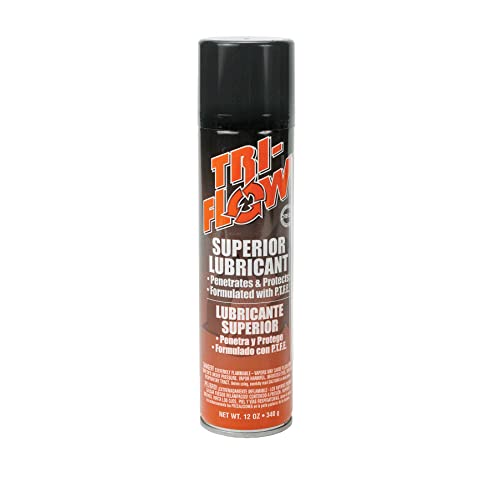
Tri-Flow is famous for containing Teflon, which creates a microscopic barrier between moving parts. It is much thicker than standard machine oil, so it is best reserved for the heavy-duty gears and drive belts of your machine.
Be careful not to use this on the delicate needle beds, as it can be too heavy and attract too much dust. Use it sparingly on the carriage release levers or the main drive gears where friction is highest. It provides a level of protection that standard oils simply cannot match.
Use this for the heavy mechanical sections of your machine, not the needle channels.
Why Regular Oiling Keeps Your Machine Running Well
Knitting machines are precision instruments, not lawnmowers. Every time the carriage passes over the needle bed, metal rubs against metal, creating microscopic wear. Regular oiling creates a protective film that prevents this wear and keeps your gauge consistent.
If you skip oiling, you will notice your carriage becoming harder to push. This resistance leads to uneven tension, which ruins your gauge and makes blocking your final garment a nightmare. A well-oiled machine is a quiet, rhythmic, and reliable partner in your craft.
Set a schedule: oil your machine after every major project or every 10 hours of active knitting.
Essential Tips for Applying Oil to Knitting Tools
Less is always more when it comes to machine oil. You only need a tiny drop at the contact points; if you can see oil pooling, you have used too much. Excess oil is a magnet for lint, which will eventually turn into a grinding paste that damages your machine.
Always use a lint-free cloth to wipe away any excess after you have moved the carriage back and forth a few times. This ensures the oil has worked its way into the mechanism while removing the surface film that could touch your yarn. Precision is the mark of an expert.

Take your time and apply it with a light touch.
How to Prevent Oil Stains on Your Delicate Yarns
The biggest fear of any machine knitter is a grease stain on a finished piece of hand-dyed merino. To prevent this, always let the machine "rest" for a few minutes after oiling, then run a piece of scrap yarn through the machine before starting your actual project.
The scrap yarn will pick up any excess oil that might have been sitting in the needle channels. If you are working with very light-colored yarns, consider putting a small guard or paper towel over the needle bed when you aren’t actively working. Prevention is far easier than trying to remove oil from delicate fibers.
If you do get a stain, treat it immediately with a gentle, wool-safe degreaser.
Maintaining your knitting machine is an act of care that pays off in every stitch you produce. By choosing the right lubricant and applying it with precision, you ensure your equipment stays as reliable as your own two hands. Keep your machine clean, keep it oiled, and enjoy the rhythm of the needles. Happy knitting to all, no matter what you’re creating on the bed today.