7 Best Tensioning Weights For Balanced Warp To Use
Achieving perfect tension is vital for weaving. Explore our top 7 weighted tools to ensure a balanced, consistent warp for your next high-quality loom project.
Achieving even warp tension is the secret bridge between a frustrating weaving session and a meditative, rhythmic flow. Whether you are working on a delicate scarf or a sturdy rug, the tensioning system you choose acts as the invisible hand guiding your shuttle. These tools are not just accessories; they are the foundation for consistent selvedges and professional-grade fabric. Mastering these weights is the single most effective way to elevate your work from "homemade" to heirloom quality.
Ashford Tensioner Weights for Rigid Heddle Looms
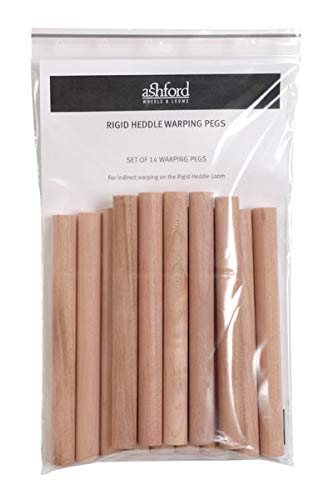

Ashford has mastered the art of the "plug-and-play" experience for rigid heddle weavers. Their tensioning weights are designed to hang directly from the warp threads, providing a consistent downward pull that prevents the threads from tangling or slackening during the dressing process.
If you are a beginner struggling with "frowns" or "smiles" in your warp, these weights are your best defense. They are particularly effective when you are beaming a long warp by yourself, as they maintain the necessary drag to keep every thread perfectly parallel.
The trade-off here is the bulk; you have to manage multiple weights across the width of your loom. However, for the precision they provide, this is a small price to pay for a balanced shed.
Schacht Spindle Company Warp Tensioning Weights

Schacht designs their tensioning tools with the same ergonomic precision they apply to their floor looms. These weights are substantial, offering a satisfying heft that ensures the warp remains taut even when working with slippery fibers like silk or Tencel.

These weights are ideal for weavers who transition between different yarn weights frequently. Because they are modular, you can easily add or subtract weight to accommodate the specific "memory" or elasticity of your chosen fiber.
Keep in mind that heavier weights can sometimes stress delicate, low-twist singles. Always start lighter than you think you need, and increase the tension only if you notice unevenness in your shed.
Kromski Tensioning Kit for Harp and Kromski Looms

The Kromski kit is a beautiful example of form meeting function, matching the aesthetic of their signature wood-turned looms. These weights are specifically calibrated for the Kromski Harp, ensuring they don’t interfere with the unique folding mechanism of the loom frame.
What I love about this system is how it integrates with the loom’s existing tensioning pegs. It removes the guesswork from the equation, allowing you to focus on your pattern rather than the mechanics of the warp.
Be aware that because they are wood-finished, they require careful handling to avoid nicks. If you are working with sticky, high-friction wools, the smooth finish of these weights is a distinct advantage.
Leclerc Looms Heavy Duty Warp Tensioning Weights
When you move into complex, multi-shaft weaving, you need a system that can handle high-tension demands. Leclerc’s heavy-duty weights are built for the long haul, designed to withstand the constant friction of high-warp-density projects.
These are the "workhorses" of the weaving room. If you are weaving heavy linen or rug wool, you need the mass that only these professional-grade weights can provide.
They are not meant for delicate, lightweight projects where too much tension could snap your warp. Use them when your project requires structural integrity and you are working with robust, high-twist yarns.
Louet Tensioning System for Jane and Erica Looms
Louet has engineered their tensioning system to be incredibly space-efficient, which is a blessing for those working in smaller studios. These weights are designed to work in harmony with the Jane and Erica’s compact frame, ensuring that the warp doesn’t drag against the loom’s cross-braces.
This system is particularly brilliant for weavers who use "sectional warping." The weights provide just enough resistance to keep the warp sections from collapsing into one another.
If you find yourself frequently switching between complex weave structures, this system offers the versatility you need. It is a sophisticated tool for the weaver who views their loom as a precision instrument.
Glimakra Countermarche Warp Tensioning Weights
Glimakra systems are the gold standard for traditional Scandinavian weaving, where tension is everything. These weights are designed to work with the countermarche mechanism, which relies on precise, opposing forces to create a clean shed.
You cannot "cheat" a countermarche loom; it demands perfect balance. These weights provide the consistent, calibrated pull required to keep the harnesses and the warp in perfect alignment.
They are an investment in your craft. If you are serious about mastering traditional techniques, there is no substitute for the reliability of these specific weights.
Mirrix Tapestry Loom Warp Tensioning Accessories
Tapestry weaving requires a completely different approach to tension than floor loom weaving. Mirrix accessories focus on maintaining extreme, uniform tension across a very narrow, high-density warp.
Because tapestry relies on beating the weft down firmly, your warp must be as tight as a drumhead. These accessories allow you to "tune" your loom like a guitar, ensuring every single thread is at the exact same tension.
If you’re working on intricate pictorial tapestries, don’t settle for improvised weights. The specialized design of these tools prevents the "bowing" effect that can ruin a perfectly rendered image.
How to Properly Balance Warp Tension for Weaving
Balancing warp tension is less about force and more about uniformity. Start by ensuring your warp threads are wound on the back beam with equal pressure across the entire width.
Use your tensioning weights to "test" the individual threads. If one thread hangs lower than the others, it is loose; if it pulls upward, it is too tight.
Remember that humidity affects fiber significantly. If you are working in a damp environment, your wool warp might slacken, requiring you to adjust your weights halfway through the project.
Choosing the Right Weight for Your Specific Loom
The "right" weight depends entirely on your fiber choice and your project goals. A heavy, inelastic linen requires significant tension, while a lofty, elastic wool blend needs a much lighter touch.
Always consider the weight of your loom frame as well. A lightweight folding loom may tip or warp if you apply too much tension, so match your weight system to the structural capacity of your equipment.
When in doubt, start with a lighter weight. You can always add more tension, but once you have over-stretched a delicate warp, it is nearly impossible to recover that elasticity.
Troubleshooting Common Warp Tensioning Mistakes
The most common mistake is assuming that "tighter is always better." Over-tensioning leads to broken threads, stiff fabric, and unnecessary strain on your loom’s components.
If you notice your selvedges are pulling in, it is a sign that your warp tension is uneven or too tight. Conversely, if your shed is "fuzzy" or the threads are sticking together, your tension might be too loose.
Take the time to "re-tension" your warp every few inches of weaving. This small habit prevents the "tension creep" that often ruins the final few inches of a beautiful piece of fabric.
Investing in the right tensioning weights is an investment in your own creative peace of mind. By controlling the tension, you remove the physical struggle from your weaving, allowing your hands to focus on the artistry of the pattern. Remember that your tensioning system is a living part of your loom, requiring adjustments as your project evolves and your fibers react to the atmosphere. Trust your tools, stay observant, and enjoy the rhythmic satisfaction of a perfectly balanced warp.