7 Best Ergonomic Table Clamps For Stability To Try
Upgrade your workspace with our top 7 ergonomic table clamps. Discover stable, durable mounts designed to enhance comfort and productivity for your setup.
Every knitter knows the frustration of a yarn winder wobbling mid-cake, turning a meditative winding session into a chaotic tangle. A stable table clamp is the unsung hero of your workspace, ensuring that your precious hand-dyed skeins wind into perfect, tension-even cakes. Without a secure anchor, you risk uneven yarn tension, which can wreak havoc on your gauge once you finally sit down to knit. Investing in the right clamp transforms your winding process from a chore into a seamless part of your craft.
Stanwood Needlecraft Table Clamp: Best Overall

The Stanwood clamp is the gold standard for a reason, offering a balance of reach and pressure that fits almost any standard table. It is designed to accommodate the specific geometry of most yarn winders, providing a solid foundation that prevents the "shimmy" often seen with lighter plastic alternatives.
When you are dealing with a heavy, multi-ply wool or a large 100g skein, the torque on your winder increases significantly. This clamp holds firm, ensuring the base doesn’t tilt even when you are winding at a rapid pace. It is the reliable workhorse that most serious knitters eventually land on.
If you frequently wind delicate lace-weight yarns, you know that any sudden jerk or movement can snap a fragile strand. The Stanwood’s consistent grip provides the steady resistance needed to maintain a professional-looking cake. It is the best overall choice for those who want a "set it and forget it" solution.
Lacis Wooden Yarn Ball Winder Clamp: Best Build

There is an undeniable tactile satisfaction in using tools crafted from wood, and the Lacis clamp is no exception. Its construction feels substantial in the hand, and it offers a level of aesthetic beauty that plastic clamps simply cannot replicate.
Beyond looks, the wooden surface provides a natural friction that helps prevent the clamp from sliding on finished wood tables. If you are worried about marring your antique dining table, this is a much kinder option than sharp, industrial-grade metal clamps.
However, keep in mind that wood requires a bit more care over the years. Avoid storing it in overly humid environments to prevent warping, which could compromise its grip. It is a beautiful, functional heirloom piece for the knitter who appreciates craftsmanship.
Knit Picks Yarn Winder Replacement Clamp: Best Value

Sometimes you don’t need a heavy-duty industrial solution; you just need a functional replacement that gets the job done. The Knit Picks clamp is straightforward, affordable, and designed specifically to work with the most popular entry-level winders.
This is the perfect choice for the beginner knitter who has just purchased their first winder and realized the original clamp didn’t survive a move or a particularly vigorous winding session. It is lightweight, compact, and easy to toss into a project bag.
While it may not handle the extreme torque of a professional-grade, high-capacity winder, it is more than sufficient for standard 50g to 100g skeins. It is the best value for keeping your basic setup running without breaking the bank.
Ashford Table Clamp for Fiber Tools: Best Stability

Ashford is a legendary name in spinning and weaving, and their table clamp reflects a deep understanding of fiber mechanics. This clamp is engineered to provide an incredibly rigid connection, which is vital when you are dealing with high-tension tasks.
If you are winding dense, high-twist yarns that tend to pull harder on the winder, you need the stability this clamp offers. It minimizes vibration, which in turn keeps your yarn cakes from collapsing or developing "tunnels" in the center.
The design is utilitarian and robust, built to withstand years of heavy use in a studio environment. It is the ultimate choice for stability if your workspace is prone to movement or if you use a larger-than-average yarn winder.
Nancy’s Knit Knacks Heavy Duty Clamp: Best Grip
Nancy’s Knit Knacks is famous for thoughtful, knitter-centric designs, and their heavy-duty clamp is a testament to that philosophy. It features a wide contact surface, which distributes pressure more evenly across your table edge.
This wide footprint is the secret to its superior grip. By increasing the surface area, it prevents the clamp from "biting" too deeply into softer woods while still maintaining an immovable hold. It is ideal for those who work on tables with decorative edges or thinner surfaces.
If you have ever had a clamp pop off mid-wind, you know the panic of a runaway yarn cake. This clamp is designed to prevent that exact scenario through sheer, reliable mechanical force. It is the best grip for those who prioritize security above all else.
Strauch Fiber Equipment Clamp: Best for Professionals

Strauch equipment is the "Rolls-Royce" of the fiber arts world, and their clamps are built to handle the intense demands of high-volume winding. These are not for the casual hobbyist; they are for the knitter who processes large quantities of fiber regularly.
The engineering here is precise, allowing for micro-adjustments that ensure a perfectly perpendicular mount. In professional fiber work, even a slight tilt in the winder can cause the yarn to stack unevenly, leading to tangles later.
While the price point is higher, the investment pays off in the longevity of the tool and the quality of your yarn cakes. It is the best choice for the serious professional or the dedicated stash-builder who winds yarn daily.
U-Shaped Metal Mounting Clamp: Best Universal Fit

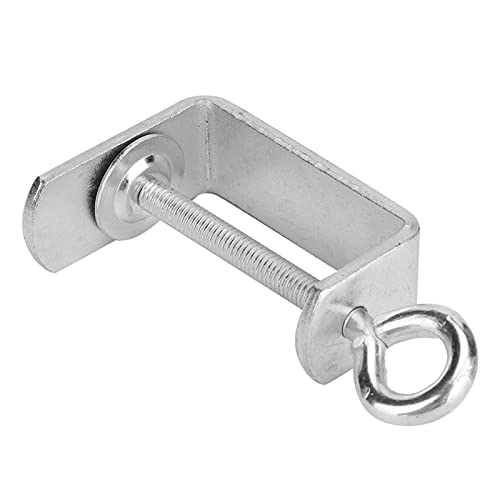
The U-shaped metal clamp is the "Swiss Army Knife" of the fiber world. Because of its open design, it can accommodate a wider variety of table thicknesses and edge shapes than specialized plastic or wooden clamps.
If you often wind yarn at different locations—like a knitting group, a retreat, or a kitchen island—this is the clamp you want in your kit. It is virtually indestructible and fits into the tightest corners of a crowded workspace.
Just be aware that metal-on-metal or metal-on-wood contact can be slippery. I highly recommend adding a small piece of shelf liner or felt to the contact points for extra security. It is the best universal fit for the knitter on the move.
Why Ergonomic Clamps Matter for Fiber Projects
Ergonomics in knitting isn’t just about your needles; it’s about the entire process of preparation. A poorly positioned winder forces you to hunch over or reach at an awkward angle, which can lead to shoulder and wrist strain before you even cast on.
When your winder is clamped securely and at the right height, you maintain a neutral posture. This allows you to focus on the yarn’s texture and quality rather than fighting with your equipment. It keeps the "joy" in the fiber arts.
Furthermore, a stable clamp ensures that your yarn is wound with consistent tension. If your winder is wobbling, the tension will fluctuate, resulting in a cake that is too tight in some spots and too loose in others. This inconsistency can ruin your gauge, making your finished garment fit poorly.
How to Properly Secure Clamps to Your Work Table
Always start by ensuring your table surface is clean and free of debris. Even a tiny bit of dust can cause a clamp to slide during the high-speed motion of winding. A quick wipe-down goes a long way toward stability.
Position the clamp on the most stable part of your table, usually near a table leg. The closer you are to a support structure, the less the table surface will flex or vibrate. Avoid clamping onto thin, unsupported edges, as these can bow under pressure.
Finally, tighten the clamp until it feels firm, then give it a gentle "wiggle test" before you start winding. If you see the table surface moving, you need to adjust your position. Never overtighten to the point of damaging your table; a secure, non-slip base is always better than extreme pressure.
Troubleshooting Common Table Clamp Stability Issues
If your clamp keeps slipping, the most common culprit is a slick table surface or a lack of friction on the clamp itself. Adding a small square of non-slip shelf liner between the clamp and the table is a simple, effective fix that every knitter should try.
If the clamp is stable but the winder itself feels loose, check the connection point between the winder and the clamp. Sometimes the screw that holds them together vibrates loose; a quick tighten with a screwdriver can resolve the issue instantly.
Lastly, consider the weight of your yarn. If you are winding a massive 200g skein of heavy-weight yarn, the momentum can overwhelm even a good clamp. Slow down your winding speed as the cake grows larger to keep the system stable and your tension even.
Choosing the right table clamp is about matching your specific tools and workspace to your winding habits. Whether you prefer the aesthetic of wood or the industrial strength of metal, the goal is always a vibration-free experience that protects your yarn. Remember that a stable setup is the foundation of a beautiful, well-tensioned project. Happy winding, and may your yarn cakes always remain perfectly intact.