7 Best Project Notebooks For Spinning Notes To Try
Discover the 7 best project notebooks for spinning notes. This guide highlights top picks to help you organize ideas and boost productivity with ease.
Spinning your own yarn is a transformative journey that demands more than just a wheel and fiber; it requires a meticulous record of every twist and draft. Without a reliable notebook, the nuances of your favorite breed-specific wool or the perfect ply angle can vanish into memory. These seven notebooks provide the structure necessary to turn your raw spinning data into a repeatable, professional-grade craft. Investing in a dedicated logbook ensures that your "happy accidents" become the foundation for your next masterpiece.
Moleskine Classic Notebook: Best for Spinning Data


The Moleskine Classic is the industry standard for a reason: its structured, no-nonsense layout allows for dense data entry. When you are spinning a complex blend of Corriedale and silk, you need space to record your WPI (wraps per inch) and drafting ratio without clutter.
Because the paper is relatively thin, it is best suited for ballpoint pens or fine-liner markers that won’t bleed through. If you are the type of spinner who likes to tape a small sample of your fiber directly onto the page, this notebook handles the bulk surprisingly well.
Keep in mind that the binding can be stiff, which makes it slightly difficult to lay flat on a spinning table. However, its portability and durability make it an excellent choice for taking to fiber festivals or guild meetings.
Leuchtturm1917 Medium A5: Best for Organization
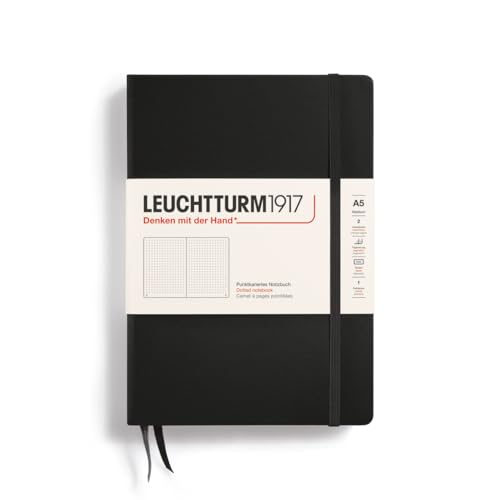
The Leuchtturm1917 is a spinner’s dream because it comes with a pre-printed table of contents and numbered pages. If you are working on a long-term project, such as spinning a sweater’s worth of yarn from a single fleece, you can easily index your notes by batch or date.
The dot-grid layout is particularly useful for fiber artists who want to sketch out drafting techniques or chart their ply structure. You won’t have to fight with lines that are too wide or too narrow for your specific notation style.
The paper quality is superior to many competitors, meaning you can use fountain pens or felt tips without fear of ghosting. If you value a clean, professional archive of your fiber journey, this is the gold standard for organization.
Rite in the Rain All-Weather: Best for Field Notes

Spinning often takes us out of the studio and into the pasture, whether you are sourcing raw fleeces or teaching workshops outdoors. The Rite in the Rain notebook is virtually indestructible, designed to repel water, grease, and even the occasional drop of lanolin.
If you are evaluating raw fleeces in a barn, you don’t want to worry about your notes smearing when they touch damp wool. This notebook allows you to record staple length and crimp density in the middle of a dusty, humid environment without compromising the integrity of your data.
Be aware that you must use a pencil or an all-weather pen to write on these pages, as standard ink will bead up and fail to adhere. It is a specialized tool, but for the traveling spinner, it is worth its weight in gold.
Hobonichi Techo Planner: Best for Daily Tracking
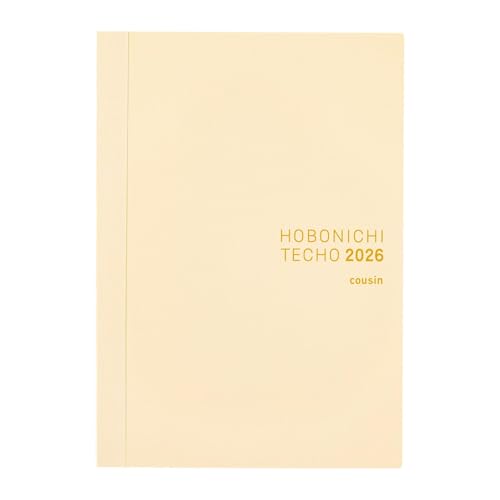
The Hobonichi Techo uses Tomoe River paper, which is incredibly thin yet remarkably resistant to ink bleed. This makes it perfect for spinners who want to track their daily output, such as how many yards they’ve spun each day or their progress on a multi-month spinning project.
The daily page format encourages you to jot down quick notes about your wheel tension or treadling speed. You can easily track the "rhythm" of your spinning, noting which days your drafting felt effortless and which days the fiber was fighting back.
While the small size is a benefit for portability, it may feel cramped if you have large handwriting or need to attach bulky fiber swatches. Use this if you are committed to a daily practice and want to see your growth over a calendar year.
Rhodia Webnotebook: Best for Fountain Pen Users

If you prefer to document your spinning notes with a fountain pen, the Rhodia Webnotebook is the clear winner. The high-quality, smooth paper prevents ink feathering, ensuring that your technical notes remain crisp and legible for years.
The ivory-colored paper is easy on the eyes during long evening sessions at the wheel. Its heavy-duty cover protects your notes from the inevitable spills that happen when you are working with dyes or spinning oils.
Because the paper is so smooth, it can take a moment for ink to dry, so be careful not to smudge your notes if you are in a rush. This is a notebook for the deliberate spinner who treats their record-keeping as a meditative extension of the craft.
Field Notes Kraft Memo: Best for Portable Spinning
Field Notes are the quintessential "toss it in your project bag" notebook. They are thin, flexible, and small enough to fit inside a spindle case or a small notions pouch, making them ideal for logging notes on the go.
When you are spinning on a drop spindle at a park or a coffee shop, you don’t want to lug around a heavy journal. These notebooks are disposable enough that you can dedicate one to a specific project and then tuck it away with the finished yarn once the skein is plied.
They aren’t designed for long-term archival storage, but they are unmatched for capturing immediate, fleeting observations. Keep one in your spinning bag at all times to jot down your starting WPI before you forget.
Baronfig Confidant: Best for Customizing Layouts
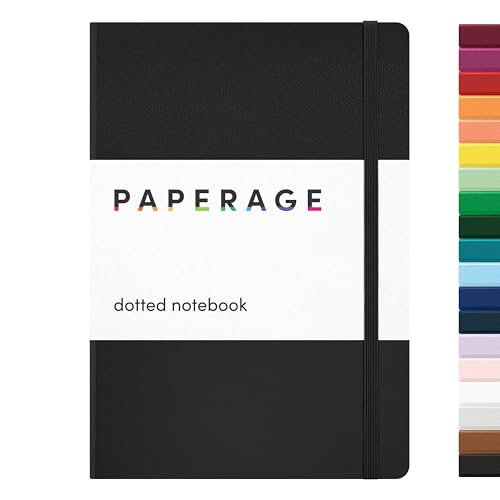
The Baronfig Confidant is a beautiful, minimalist notebook that lays perfectly flat, which is essential when you are trying to write while your hands are covered in fiber dust. The blank or dot-grid options allow you to create your own custom tracking system.
If you like to draw diagrams of your drafting triangles or map out the color transitions in a hand-painted roving, this notebook provides a generous, unconstrained canvas. Its high-quality paper holds up well to various mediums, including watercolor if you want to paint color studies of your fiber.
It is a bit heavier than other options, making it better suited for the studio than for travel. If you want a permanent, beautiful record of your spinning evolution, the Confidant is a sophisticated choice.
Key Elements to Track in Your Spinning Journal
To make your notes truly useful for future projects, you must move beyond just recording the fiber type. Start by documenting your Drafting Method (e.g., long draw vs. short forward draw), as this significantly impacts the loft and drape of your finished yarn.
Always record your WPI (Wraps Per Inch), which is the most reliable way to determine yarn weight, and your TPI (Twists Per Inch) if you are aiming for a specific yarn structure. Don’t forget to note your Wheel Ratio or spindle weight, as these mechanics dictate the energy you put into the fiber.
Finally, include a small snippet of the fiber itself, taped down next to the finished yarn sample. This "before and after" comparison is invaluable when you are trying to replicate a successful spin six months later.
Choosing Paper Weight for Your Fiber Sample Swatch
When choosing a notebook, consider how you will attach your fiber samples. If you plan to tape or glue raw fiber and finished yarn to the pages, you need a notebook with a higher paper weight, typically 90gsm or above, to prevent buckling.
Thinner paper will ripple and warp when exposed to the oils in natural wool or the adhesive of tape. If you prefer to staple your samples, ensure the notebook has a sturdy binding that won’t tear when you add the extra bulk of the fiber.
If your notebook has thin paper, use a small glassine envelope to hold your samples and tape the envelope to the back cover. This keeps your notebook clean and prevents the fiber from snagging on your pen nibs or causing the pages to separate.
How to Archive Your Spinning Notes for the Future
Your spinning log is a historical record of your growth as a fiber artist. Once a notebook is full, label the spine with the date range and the primary projects contained within, then store it in a cool, dry place away from direct sunlight to prevent the paper from yellowing.
If you have loose notes or fiber samples that didn’t make it into the book, create a digital scan of your pages and pair them with photos of the finished knitted items. This creates a searchable database that allows you to cross-reference your spinning choices with the final fabric performance.
Treat your journals with the same care you give your handspun yarn. Over the years, these notebooks will become your most trusted reference, helping you troubleshoot issues and recreate your favorite textures long after the original fleece is gone.
Choosing the right notebook is a personal decision that should reflect how you interact with your wheel and your fiber. Whether you prefer the rigid structure of a Moleskine or the creative freedom of a Baronfig, the most important step is simply starting the habit of logging your work. Your future self will thank you when you can perfectly recreate that one-of-a-kind, hand-spun sweater. Happy spinning, and may your yarn always be as balanced as your notes.