
6 Best Yarn Swift Anti-vibration Mats For Desk Protection
Protect your desk from yarn swift vibrations with these top 6 anti-slip mats. Discover durable, noise-dampening options to ensure a stable, scratch-free craft.
We have all been there: you are ready to wind a luscious skein of hand-dyed merino into a neat cake, only for your yarn swift to start "walking" across the table with every rotation. This vibration isn’t just annoying; it can cause uneven tension, leading to tangled yarn barf later in your project. A sturdy, anti-vibration mat is the unsung hero of the fiber arts studio, keeping your equipment grounded and your yarn pristine. Here are the best options to ensure your winding process is as smooth as your finished fabric.
Stanwood Needlecraft Non-Slip Silicone Mat


Stanwood is a name synonymous with high-quality swifts, and their silicone mat is designed specifically with the mechanics of winding in mind. It provides a tacky, high-friction surface that prevents the clamp base of a swift from shifting under the centrifugal force of a fast-spinning skein.
Because it is made of silicone, it grips both the underside of the swift and the surface of your desk without leaving any sticky residue. This is vital if you are working on a fine wood dining table that you don’t want to scratch or mark.
The primary benefit here is the balance between grip and portability. It is thin enough to roll up and store in your project bag, yet dense enough to absorb the micro-vibrations that cause swifts to migrate.
Darice Craft Table Protective Rubber Pad
The Darice rubber pad is a utilitarian workhorse that excels in environments where your desk serves multiple purposes. It is thicker than standard shelf liners, offering a significant layer of cushioning that dampens the mechanical rattle of a metal or wooden swift.
If you are winding a heavy, bulky-weight yarn that exerts more pressure on the swift, this pad provides the necessary surface area to distribute that weight evenly. It is particularly effective on glass or laminate surfaces where standard plastic clamps might struggle to find a bite.
Keep in mind that rubber can sometimes have a distinct scent when new. I recommend letting it air out for a day before placing your precious hand-dyed wool on the table nearby.
Gorilla Grip Extra Thick Foam Desk Mat
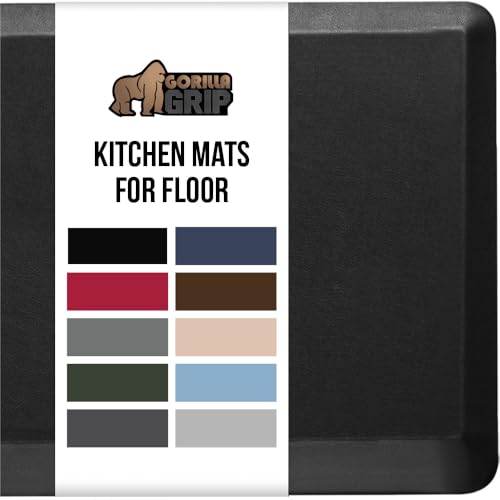
When you are dealing with a large, umbrella-style swift that holds massive 100g or 200g hanks, you need stability above all else. The Gorilla Grip foam mat offers a plush, high-density surface that essentially "hugs" the base of your swift.
This mat is excellent for knitters who suffer from hand fatigue or joint pain, as the slight give in the foam makes the entire setup feel more stable and less jarring. It acts as a shock absorber for the rhythmic clicking of a swift in motion.
While it is fantastic for stability, it is quite bulky compared to silicone sheets. Ensure you have a dedicated space on your crafting desk, as this isn’t a mat you’ll want to move back and forth constantly.
Mr. Pen Multipurpose Silicone Craft Sheet

Mr. Pen provides a versatile, heat-resistant surface that is perfect for knitters who also dabble in other crafts like blocking lace with steam or using hot glue for project finishing. Its grip is reliable for medium-sized swifts and daily winding tasks.
The surface is very easy to wipe clean, which is a major plus if you are winding yarn that might shed a bit of fiber or dust. A quick swipe with a damp cloth keeps the friction high, ensuring your swift doesn’t start sliding mid-wind.
If you find your swift is still sliding, try wiping the bottom of the clamp with a slightly damp cloth as well. The synergy between the clean rubber and the silicone mat is often all you need for a rock-solid setup.
Fiskars Non-Slip Precision Cutting Mat
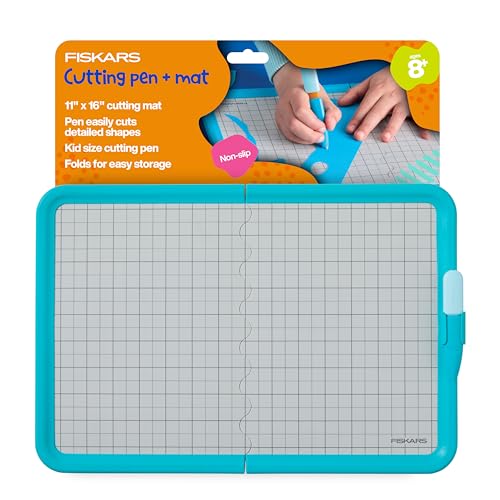
Many knitters already have a Fiskars mat in their sewing stash, and it doubles surprisingly well as a base for a yarn swift. The material is designed to be slip-resistant, which provides a level of security that hard plastic desk surfaces lack.
Because these mats are usually quite large, they provide a generous footprint for your swift clamp. This allows you to position your swift wherever it is most comfortable for your arm, rather than being restricted to the very edge of the desk.
Be aware that these mats are intended for cutting, so they are firm rather than squishy. They will handle the vibration of a swift well, but they won’t offer the same "dampening" effect as a thick foam or rubber pad.
YRYM HT Heat Resistant Silicone Craft Mat

This mat is a favorite for those who value durability and a non-stick surface. It is incredibly grippy, which is a massive advantage when using a clamp-style swift on a smooth, polished surface like a mahogany desk.
Beyond just holding your swift in place, this mat is excellent for protecting your table from the occasional spill of tea or coffee while you knit. It is essentially indestructible, which is great for a long-term investment in your knitting space.
The only trade-off is that it is quite lightweight. If your swift is particularly heavy, you might find that the mat itself moves slightly, though it is usually easy to secure with a bit of painter’s tape if needed.

Why Your Yarn Swift Needs Anti-Vibration Base
A yarn swift is a mechanical tool that translates circular motion into potential energy. When you pull yarn from a skein, you are creating a rhythmic tugging force that, without a proper base, will cause the swift to vibrate or "walk."
This movement is detrimental to your yarn’s health. If the swift wobbles, your tension becomes inconsistent, leading to cakes that are either too tight—which can stretch out delicate fibers like alpaca or silk—or too loose, resulting in a floppy cake that collapses.
An anti-vibration base acts as an interface that absorbs these kinetic forces. By stabilizing the tool, you ensure that the yarn is pulled off the swift at a constant speed and tension, resulting in a professional-looking center-pull cake every time.
Key Features for Yarn Swift Surface Protection
When shopping for a mat, look for high-friction materials like silicone or natural rubber. These materials have a high coefficient of friction, meaning they grip the table and the swift base simultaneously, preventing sliding.
Thickness is another key factor. A thicker mat will absorb more vibration, which is ideal if you are winding on a hollow table that tends to amplify noise. A thinner mat is better if you need something you can easily store away.
- Tackiness: Essential for preventing the swift from walking.
- Surface Area: Larger mats allow for more flexible positioning.
- Ease of Cleaning: You want a surface that won’t attract lint or dust, which can reduce its grip over time.
- Non-Marring: Ensure the material won’t react with your desk’s finish.
How to Properly Secure Your Swift to Any Desk
The most common mistake I see is clamping the swift too loosely. You want the clamp to be tight enough to be immobile, but not so tight that you risk cracking your desk or the swift’s plastic housing.
Always place your mat directly under the clamp area. If your desk is particularly slick, clean it with a bit of rubbing alcohol before placing the mat down to ensure a clean, grippy surface for the base to adhere to.
If you are using a table with a rounded edge, try to position the swift on a flatter section if possible. If you must use the edge, use a small piece of wood or a thick coaster between the clamp and the underside of the table to create a flat, stable surface.
Troubleshooting Common Yarn Swift Stability Issues
If your swift is still moving, check the alignment of your yarn. If you are pulling the yarn at a sharp angle rather than straight off the swift, you are creating unnecessary lateral force that will pull the swift sideways no matter how well it is clamped.
Another common issue is the weight of the yarn itself. If you are winding a very large, heavy skein, the weight can cause the swift to lean. Try to support the weight of the skein with your hand or a secondary prop if the swift starts to tilt.
Finally, check the moving parts of the swift. Sometimes, the issue isn’t the base, but a stiff joint in the swift that requires a tiny bit of lubricant. A smooth-spinning swift requires far less force to rotate, which naturally reduces the vibration and the tendency to walk.
Investing in a quality anti-vibration mat is a small step that pays off in every single skein you wind. By stabilizing your swift, you protect your yarn from unnecessary tension and your furniture from unwanted scratches. Choose the surface that fits your workspace best, and you will find that your winding process becomes a peaceful, productive part of your knitting ritual. Happy winding, and may your yarn cakes always pull from the center without a hitch!
