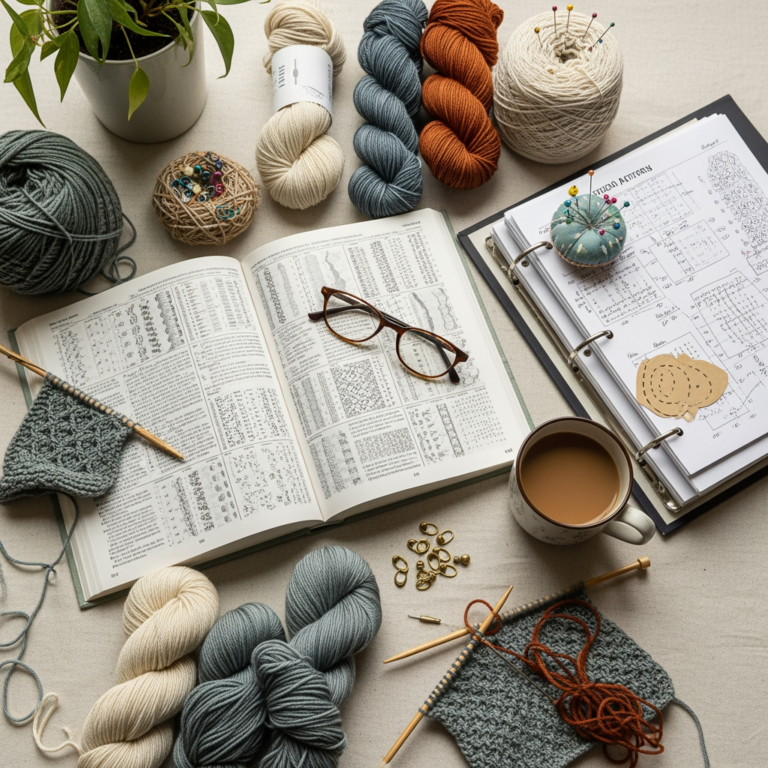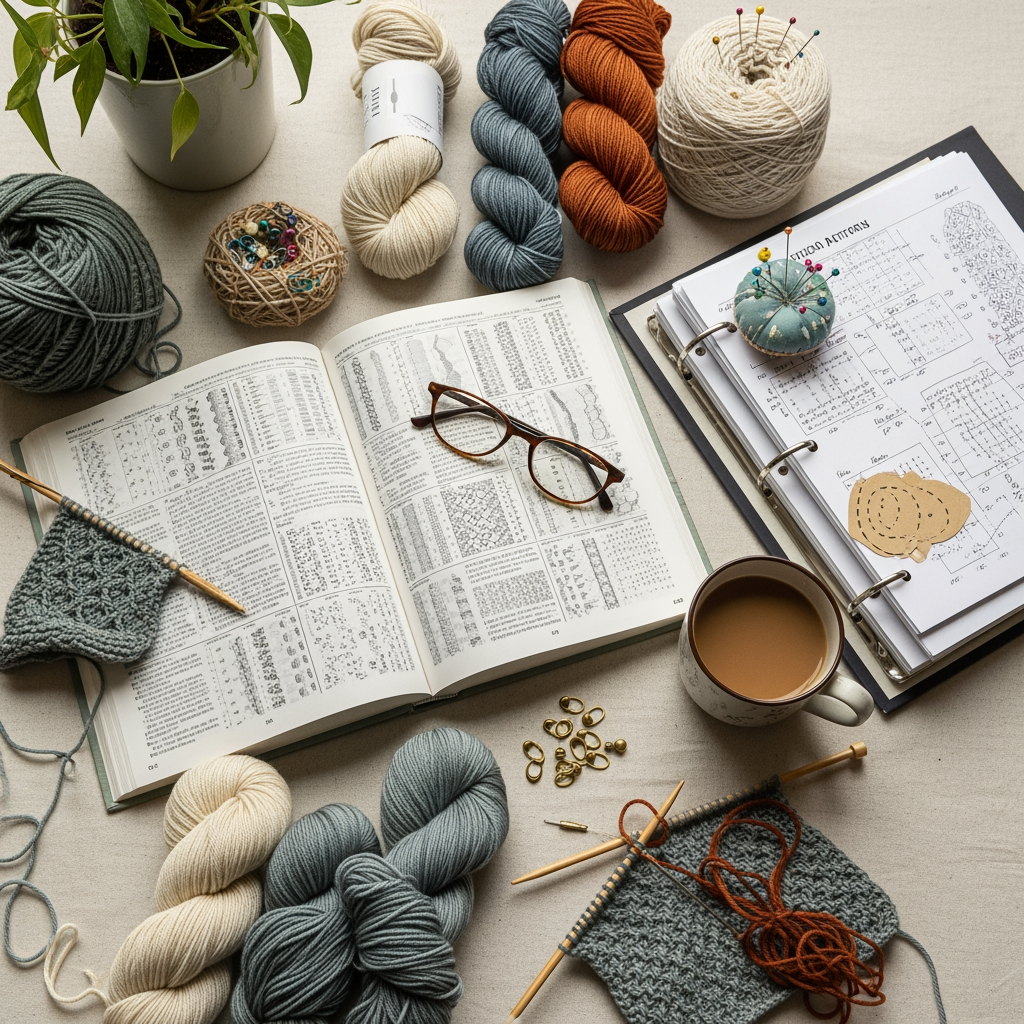
6 Best Instructional Booklets For Beginners To Master
Master new skills quickly with our top 6 instructional booklets. These guides offer clear, step-by-step techniques perfect for any beginner’s learning journey.
Embarking on your knitting journey is a rewarding pursuit that transforms simple string into heirloom-quality fabric. With so many instructional resources available, choosing the right guide can feel as overwhelming as untangling a ball of mohair. These six curated books offer the foundational knowledge necessary to build your confidence and refine your technique. By investing in the right manual, you move beyond mere imitation and begin to truly understand the mechanics of your stitches.
Vogue Knitting: The Ultimate Knitting Book
This massive volume is often called the "knitter’s bible" for good reason. It covers everything from basic cast-ons to complex couture finishing techniques, acting as a permanent reference that grows with your skill level.
If you are the type of knitter who wants to know why a specific increase creates a certain lean, this is your resource. It is less of a "follow-along" project book and more of a technical encyclopedia.
The sheer volume of information can be intimidating for a total novice. However, having it on your shelf ensures you never have to guess how to perform a kitchener stitch or a complex cable join again.
Stitch ‘n Bitch: The Knitter’s Handbook


Debbie Stoller’s classic brought knitting into the modern era with a fun, accessible, and inclusive tone. It strips away the stuffiness often associated with needle arts, making it perfect for those who learn best through humor and relatability.
The patterns included are designed to be achievable, helping you gain momentum without the frustration of overly complex charts. It’s an excellent choice if you’re looking for a low-pressure entry point into the craft.
Just keep in mind that some of the aesthetic choices are rooted in the early 2000s. Focus on the core lessons rather than the specific fashion trends, and you will find a solid pedagogical foundation.
Knitting Without Tears by Elizabeth Zimmermann

Elizabeth Zimmermann changed the landscape of knitting by teaching us to think for ourselves rather than blindly following patterns. This book is a masterclass in the logic of construction, focusing on sweaters that are knit in the round.
If you find yourself frustrated by the "seaming" process—the tedious act of sewing knitted pieces together—this book will be a revelation. Zimmermann’s philosophy is that knitting should be a pleasure, not a chore.
Her advice on gauge and yarn choice is timeless. By learning her "percentage system," you gain the freedom to design your own garments regardless of your body type or yarn preference.
The Principles of Knitting by June Hemmons Hiatt
This is the most rigorous, academic, and comprehensive book on the market. If you want to understand the physics of how a stitch is formed and how different fibers interact with needle materials, look no further.
You will find exhaustive chapters on everything from yarn structure to the history of knitting techniques. It isn’t a book you read cover-to-cover in one sitting, but rather a resource you consult when you want to solve a specific problem.
If you are a perfectionist, this book will satisfy your need for precision. It teaches you how to troubleshoot your own work, which is the single most important skill for a long-term knitter.
60 Quick Knits: 20 Years of Classic Patterns
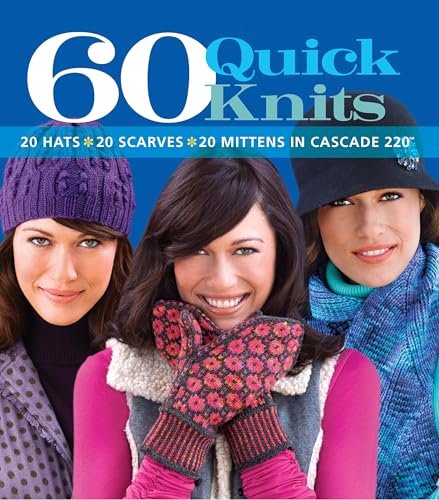
Sometimes, you just need a collection of reliable, well-tested patterns to get your needles moving. This book provides a fantastic variety of projects that utilize specific yarn weights, helping you understand how different fibers behave.
The diversity of patterns here—from cowls to fingerless gloves—allows you to practice new skills on small, manageable items. You won’t get bogged down in a six-month sweater project that might lead to burnout.

The focus on "classic" designs means these pieces won’t go out of style. It is a great way to build a library of "go-to" patterns that you can return to whenever you need a quick gift or a palate-cleansing project.
Learn to Knit: A Step-by-Step Guide for Beginners

A dedicated beginner’s guide acts as a visual roadmap for your hands. These books prioritize clear photography and diagrams, which are essential when you are trying to coordinate your fingers to manipulate yarn and needles simultaneously.
Look for a guide that emphasizes the "continental" versus "English" style of knitting. Understanding the difference early on can save you hours of frustration as you figure out which method feels more ergonomic for your tension.
The best beginner books also include a troubleshooting section. Knowing how to fix a dropped stitch without panicking is the difference between a project that gets finished and one that ends up in the bin.
How to Choose the Best Beginner Knitting Manual
Choosing the right book depends entirely on your learning style. If you are visual, prioritize books with high-quality, large-scale photography; if you are analytical, look for books that explain the math behind the stitches.
Consider the "fiber-to-needle" match. A beginner manual should explain why you shouldn’t start learning on dark, fuzzy mohair, which makes it impossible to see your stitch definition.
- Check the index: A good book is useless if you can’t find the answer to your question quickly.
- Evaluate the patterns: Do they use standard yarn weights like Worsted or DK?
- Assess the tone: Does the writing style make you feel encouraged or intimidated?
Essential Techniques Every New Knitter Needs
Regardless of which book you choose, your primary goal is to master the "big three": the long-tail cast-on, the knit stitch, and the purl stitch. Once you have these, every complex cable or lace pattern is just a variation of these movements.
Pay close attention to how you hold your yarn. Consistent tension is the holy grail of knitting, and it comes from finding a yarn-holding method that doesn’t cause hand cramping.
- The Cast-on: Learn the long-tail method; it provides a stretchy, professional edge.
- The Bind-off: Practice a standard bind-off until your edge is as loose as your knitting.
- Fixing mistakes: Learn how to "tink" (knitting backward) before you learn how to "frog" (ripping out your work).
Understanding Patterns and Gauge for Success
Gauge—the number of stitches and rows per inch—is the most ignored but most important aspect of knitting. If your gauge doesn’t match the pattern, your garment will not fit, regardless of how beautiful your stitches are.
When you start, don’t worry about being "perfect." Worry about being "consistent." If your stitches are slightly uneven, blocking (the process of washing and shaping your finished piece) will often smooth them out like magic.
Always read through a pattern in its entirety before buying your yarn. This prevents the common heartbreak of realizing the pattern requires a specific fiber property—like the drape of alpaca—that a cheaper wool might not provide.
Tips for Building Your First Knitting Library
Start with one general "encyclopedia" style book and one "project" book. This gives you the technical backup you need while keeping your hands busy with fun, immediate results.
Don’t feel pressured to buy every new release. Knitting techniques have remained largely unchanged for centuries, and older, well-reviewed books are often just as valuable as the latest bestsellers.
Finally, keep a knitting journal alongside your books. Note which needle size you used, the brand of yarn, and any modifications you made. Your future self will thank you when you want to replicate a successful project.
Mastering the craft of knitting is a journey of patience, practice, and the occasional unraveled row. By grounding your learning in these authoritative texts, you provide yourself with a safety net that encourages experimentation and growth. Remember that every master knitter was once a beginner who didn’t give up when the yarn got tangled. Keep your needles clicking, stay curious about your materials, and enjoy the meditative rhythm of creating something beautiful by hand.