7 Best Reference Books For Finishing Techniques
Elevate your craft with our top seven reference books on finishing techniques. Master essential skills, refine your projects, and achieve professional results.
Every knitter eventually reaches the point where their stitches are perfect, but the garment still looks "homemade" rather than handmade. The secret to elevating your work from a hobbyist project to a professional-grade heirloom lies almost entirely in the finishing. These seven reference books provide the roadmap for mastering seams, edges, and blocking techniques that transform your knitting. Investing in these resources is the single most effective way to ensure your hard work survives the test of time.
Vogue Knitting: The Ultimate Knitting Book
This is the definitive encyclopedia that belongs on every knitter’s bookshelf, regardless of experience level. It serves as a comprehensive reference for everything from basic yarn overs to complex construction methods.
When you are struggling to understand how a garment is engineered, this book provides the clarity you need. Its sections on finishing are particularly strong, offering clear illustrations on how to pick up stitches along a vertical edge without creating unsightly gaps.
The strength of this book is its breadth, though that can sometimes feel overwhelming for a beginner. Treat it as a long-term companion rather than a manual you need to read cover-to-cover.
Principles of Knitting by June Hemmons Hiatt
If you want to understand the why behind every stitch, this is the gold standard of knitting literature. Hiatt dives deep into the mechanics of the yarn, explaining how different fibers react to tension and structural manipulation.
The finishing chapters are dense but incredibly rewarding for those who want to achieve a bespoke fit. She explains the physics of seams, ensuring that your sweater shoulders don’t sag or stretch out of shape after a few wears.
This is not a "quick tip" book; it is a rigorous academic study of the craft. If you are the type of knitter who needs to know exactly how a stitch behaves under stress, this is your bible.
Finishing School by Deborah Newton Review
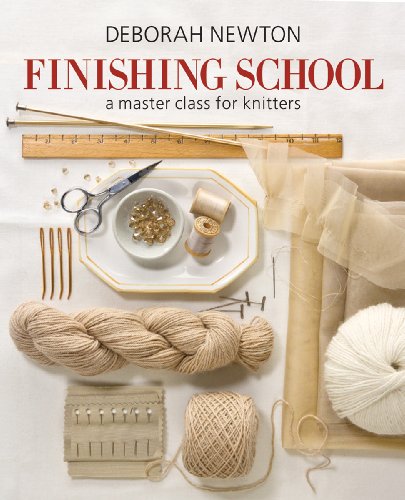

Deborah Newton is a master of the structural side of knitting, and this book focuses specifically on the "final five percent" of your project. She understands that the way you join two pieces of fabric can either make or break the drape of a garment.
The book excels at teaching you how to customize your finishing based on the yarn you’ve chosen. For example, she offers specific advice on how to handle the weight of a heavy wool versus the delicate nature of a silk-blend yarn.
This is the best resource for knitters who feel their projects look "unfinished" at the edges. It provides the confidence to sew seams that are invisible, sturdy, and perfectly aligned.
Cast On, Bind Off by Leslie Ann Bestor
Many knitters default to the standard knit-wise bind-off, but that often results in a tight, puckered edge that ruins the look of a scarf or sweater. This book is a visual dictionary of 211 different ways to start and end your work.
It is particularly useful for those working with varying yarn weights and stitch patterns. If you are binding off a stretchy lace shawl, you need a different technique than if you are finishing the hem of a structured, heavy-gauge cardigan.
The book is spiral-bound, which makes it incredibly practical to keep open on your lap while you work. It is an essential tool for anyone who wants their edges to be as functional as they are beautiful.
The Knitter’s Book of Finishing Techniques

This guide takes a very practical, hands-on approach to the most common finishing frustrations. It covers everything from weaving in ends so they never pop out to the art of blocking your pieces into their final shape.
Blocking is often the most misunderstood part of finishing, but this book demystifies the process. It explains how to use steam versus wet blocking, and why your choice depends entirely on whether you are using superwash wool or a delicate alpaca blend.
You will find yourself reaching for this book every time you cast off a new project. It turns the "chore" of finishing into a deliberate part of the design process.
200 Fair Isle Motifs by Mary Jane Mucklestone

While this might seem like a pattern book, its value for finishing lies in its deep dive into stranded colorwork. Finishing a colorwork project requires specialized knowledge, such as how to properly carry floats across the back without distorting the fabric.
Mucklestone teaches you how to manage tension so that your motifs remain crisp and your fabric remains flexible. She also covers the critical technique of steeking, which allows you to cut your knitting to create cardigans from circular-knit tubes.
If you are intimidated by colorwork, this book provides the technical safety net you need. It turns complex, scary techniques into manageable, step-by-step procedures.
The Encyclopedia of Knitting Techniques

This book is excellent for those who prefer step-by-step photography over dense text. It breaks down complex finishing maneuvers into visual sequences that are easy to follow even if you are tired after a long day of knitting.
It covers a wide range of topics, including how to graft stitches together using Kitchener stitch with perfect tension. This is a vital skill for anyone knitting socks, where a lumpy toe seam can be incredibly uncomfortable.
The layout is clean and logical, making it a great "quick reference" guide. It is the book you grab when you know how to do a technique but just need a visual reminder of the steps.
Why Professional Finishing Makes a Difference
Finishing is the difference between a garment that looks like it came from a craft fair and one that looks like it came from a high-end boutique. It is about controlling the drape, the structure, and the longevity of your piece.
When you block a garment, you are essentially "setting" the stitches in their final position. This process evens out your tension and allows the fibers to bloom, which is especially important for natural wools that have been processed.
Never underestimate the power of a well-executed seam. A properly sewn shoulder seam acts as a structural anchor, preventing your garment from losing its shape over time.
Essential Tools for Clean Edge Treatments
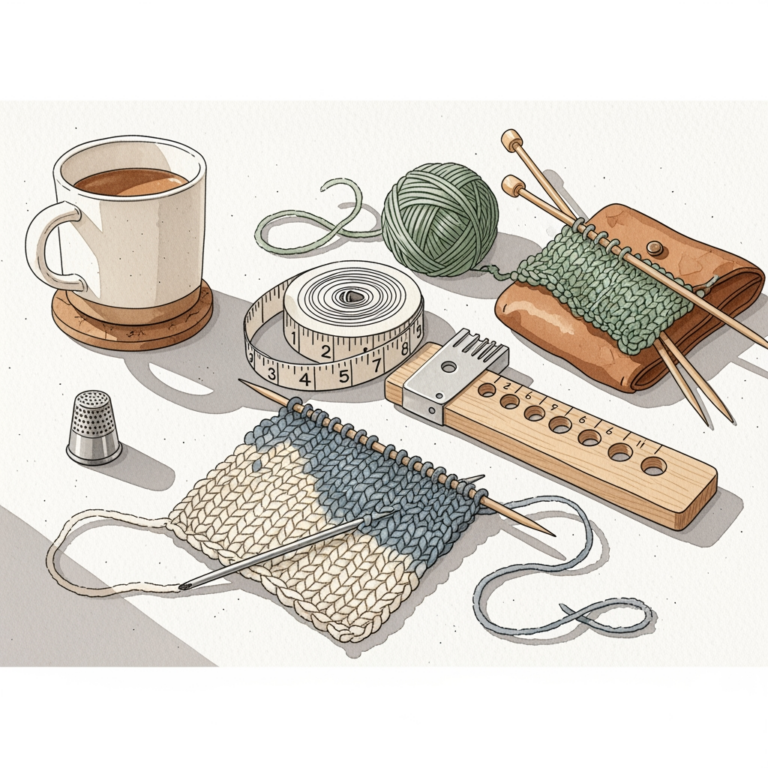
To achieve professional results, you need more than just your needles and yarn. A set of high-quality tapestry needles is non-negotiable for clean weaving and seaming.
Consider keeping the following in your kit:
- Tapestry needles with varying eye sizes for different yarn weights.
- Blocking mats and T-pins to hold your fabric in place while it dries.
- A measuring tape to ensure your pieces match before you begin the assembly.
- A crochet hook for picking up dropped stitches or securing loose ends.
These tools are relatively inexpensive but pay for themselves in the quality of your finished items. Don’t rely on makeshift tools when a proper needle will make the work much easier.
How to Choose the Right Bind Off for Projects
The choice of bind-off should be dictated by the function of the edge. If you are finishing a sock cuff, you need a stretchy bind-off that won’t snap when you pull it over your heel.
Conversely, if you are finishing the neckline of a heavy sweater, you might want a more stable, non-stretchy bind-off to prevent the neck from sagging. Always swatch your bind-off technique on your test piece before finishing the actual project.
If you find that your bind-off is always too tight, try using a needle two sizes larger for the final row. This simple trick often provides the extra slack needed for a professional, comfortable edge.
Mastering finishing techniques is a journey that rewards patience and practice. By utilizing these resources, you will build a toolkit of skills that allows you to approach any pattern with confidence. Remember that every master knitter started exactly where you are, and the beauty of this craft is that there is always something new to learn. Take your time, enjoy the process of perfecting your edges, and watch how your knitting transforms.