7 Best Lint Shavers For Maintenance That Actually Work
Keep your fabrics looking new with our top 7 lint shaver picks. We tested these effective tools to ensure they remove pilling and restore your clothes easily.
We spend hundreds of hours crafting the perfect sweater, only to watch it succumb to the inevitable friction of daily wear. Pilling isn’t a sign of poor craftsmanship; it is simply the natural result of fibers migrating to the surface during use. Choosing the right tool to manage these stray fibers is essential to preserving the integrity of your handiwork. These seven shavers represent the best options for keeping your garments looking as crisp as the day you bound off.
Philips Fabric Shaver: The Best Overall Choice
The Philips Fabric Shaver is a staple in many sewing rooms because it balances power with precision. It features a large shaving head that covers significant surface area, making it ideal for standard stockinette sweaters that have seen a few seasons of wear.
What sets this model apart is the height adjustment cap. When working with hand-knits, you never want to shave too close to the stitch structure, as this can weaken the yarn ply. By adjusting the cap, you ensure that you are only removing the surface fuzz, not the actual yarn fibers.
It is a reliable, consistent workhorse that rarely disappoints. If you want one tool that handles everything from store-bought acrylic blends to your favorite wool pullovers, this is the one to reach for.
Gleener Ultimate Fuzz Remover: Best for Knits
The Gleener is unique because it doesn’t rely on electricity or blades that might snag delicate yarn. Instead, it uses three interchangeable edges designed specifically to handle different fabric weights and fiber sensitivities.
This is the safest choice for hand-knits, especially those made from luxury fibers like mohair or cashmere. You can start with the most gentle edge and work your way up only if necessary, giving you complete control over the de-pilling process.
Because it is manual, you get tactile feedback that a battery-operated shaver simply cannot provide. You can feel exactly when the edge catches a loose fiber, allowing you to stop before you accidentally slice into a stitch.
Conair Fabric Shaver: The Best Budget Option


If you are just starting your knitting journey and don’t want to invest heavily in accessories, the Conair is an incredibly effective entry point. It is widely available and performs surprisingly well on dense, tightly-spun yarns.
The compact design makes it easy to maneuver around sleeves and underarms, where friction is highest. While it may lack some of the bells and whistles of high-end models, it gets the job done without fuss.
Just be mindful that this model can be a bit aggressive. Always test it on an inconspicuous area—like the inside hem—before tackling the front of your sweater to ensure it doesn’t pull at your tension.
Beautural Fabric Shaver: Best for Large Areas
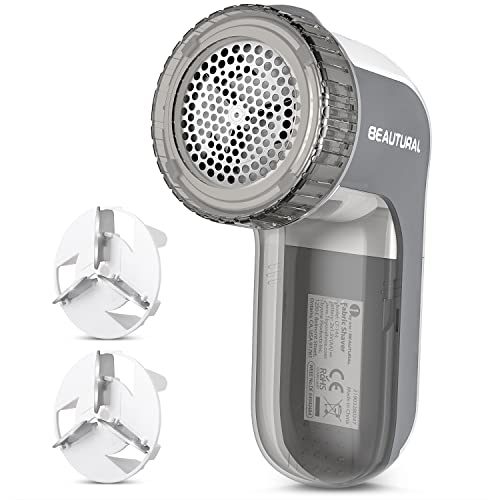
When you have a full-length cardigan or a heavy-weight blanket that has developed a coat of fuzz, the Beautural is your best friend. Its wide shaving surface and high-speed motor make quick work of large, flat panels.
The honeycomb mesh is designed to trap pills effectively while keeping the blade away from the yarn. It is particularly good for synthetic blends or superwash wools that tend to pill more aggressively due to their slicker surface.
However, use caution on cables or intricate texture work. With larger heads, it is harder to navigate the peaks and valleys of a cable pattern, so stick to flat, plain-knit sections with this tool.
Bymore Rechargeable Shaver: Best for Travel
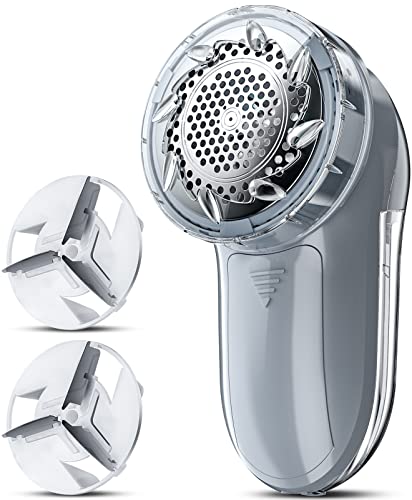
Nothing is worse than discovering a snag or a patch of pills while you are traveling with your favorite hand-knit shawl. The Bymore is compact, rechargeable, and fits easily into a knitting project bag without taking up precious space.
Because it is rechargeable, you don’t have to worry about carrying spare batteries or finding a specific power outlet. It offers enough power to handle touch-ups on the go, keeping your garments looking tidy during long trips.
It is a great "insurance policy" for your knits. Keep it in your notions pouch, and you will always be prepared to handle stray fibers before they become matted or unsightly.
Magictec Fabric Shaver: Best Ergonomic Design
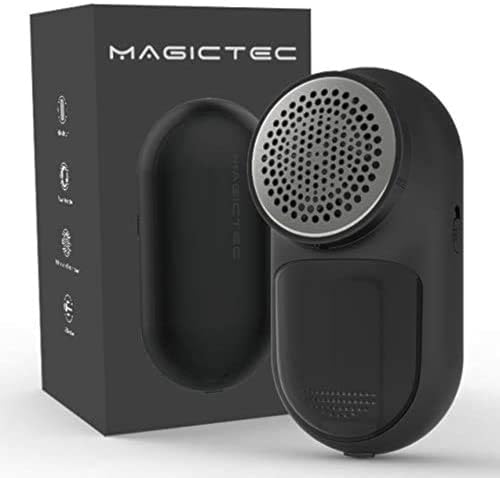
The Magictec is shaped to fit comfortably in the palm of your hand, which makes a massive difference when you are de-pilling a sweater that has been worn for years. The ergonomic grip reduces hand fatigue, allowing you to work through the entire garment without cramping.
This model also features a safety lock that prevents the blades from spinning if the cover is loose. For those of us who have accidentally nicked a yarn strand in the past, this added layer of security is a welcome feature.
It is a thoughtful design that prioritizes both the garment’s safety and the user’s comfort. It is an excellent middle-ground option for those who want quality without the bulk.
Rowenta Lint Shaver: Best Heavy Duty Performance

The Rowenta is built for those who treat de-pilling as a serious maintenance task. It features a high-performance motor that maintains speed even when encountering dense, matted pills that would stall lesser shavers.
If you have a collection of heavy-weight wool sweaters that see a lot of outdoor wear, this is the tool you need. It powers through stubborn fuzz with ease, restoring the original texture of the fabric quickly.
Be aware that with great power comes the need for great caution. Always use a light touch, and never press the shaver into the fabric; let the blades do the work so you don’t risk thinning out your stitches.
Understanding Fabric Pilling and Fiber Types
Pilling is a mechanical process where short fibers migrate to the surface of the yarn and tangle together. This is most common in:
- Short-staple fibers: These have more fiber ends that can easily work their way out of the twist.
- Loosely spun yarns: Less twist means fibers are less anchored within the strand.
- Blends: Combining natural fibers with synthetics often results in higher pilling as the stronger synthetic fibers hold onto the natural ones.
Understanding your yarn is the first step in prevention. High-twist, long-staple wools like Merino or Corriedale are naturally more resistant to pilling than soft, fuzzy yarns like alpaca or mohair.
How to Safely De-pill Delicate Hand Knits
When working with hand-knits, your primary goal is to remove the pills without damaging the structural integrity of the yarn. Always lay your garment flat on a hard surface to ensure the fabric is taut.
- Avoid stretching: Never pull the fabric tight while shaving, as this can cause the blades to cut into the yarn.
- Work in small sections: Move in slow, circular motions rather than long, aggressive strokes.
- Check your work: Periodically lift the shaver to inspect the fabric and ensure you aren’t thinning the yarn.
If you are working with a delicate fiber like cashmere, consider using a sweater stone or a manual comb instead of an electric shaver. These tools are much gentler and provide a more controlled finish for fragile items.
Essential Tips for Extending Garment Life
The best way to manage pilling is to prevent it from happening in the first place. Proper care starts with how you wear and wash your items.
- Wash inside out: This reduces friction on the public-facing side of the garment.
- Use a mesh laundry bag: This prevents the sweater from rubbing against other items in the machine.
- Avoid over-washing: Wool is naturally antimicrobial and doesn’t need to be washed as often as cotton or synthetics.
Remember that a little bit of pilling is the price we pay for the warmth and beauty of natural fibers. By maintaining your knits regularly, you ensure they remain a staple in your wardrobe for decades to come.
Maintaining your knitwear is an act of love that honors the time you spent at the needles. By choosing the right tool and using it with patience and a light touch, you can keep your favorite pieces looking fresh for years. Remember that fiber maintenance is a skill just like knitting itself, and it gets easier with practice. Treat your hand-knits with care, and they will continue to provide warmth and comfort long after the final stitch is cast off.