7 Best Ball Winders For Yarn Organization Reviewed
Struggling with tangled yarn? We review the 7 best ball winders to help you organize your stash efficiently, comparing durability, speed, and ease of use.
Transforming a tangled, unruly hank of hand-dyed wool into a neat, center-pull cake is one of the most satisfying rituals in a knitter’s studio. A quality yarn winder doesn’t just save you time; it protects your fiber from unnecessary friction and prevents the dreaded "yarn barf" that stops a project in its tracks. Whether you are prepping for a complex colorwork sweater or just organizing your stash, choosing the right tool is an investment in your sanity. Here are the seven best yarn winders to help you keep your stash orderly and ready for the needles.
Stanwood Needlecraft Large Metal Ball Winder


If you frequently work with large, 400-gram cones or massive hanks of worsted-weight wool, this is the gold standard for durability. Its heavy-duty metal gears are designed to withstand years of abuse, unlike the plastic alternatives that often strip after a few dozen cakes.
The standout feature here is the metal gear assembly, which provides a smooth, consistent rotation that plastic models simply cannot replicate. Because it handles larger volumes, you won’t have to stop and restart as often, which is a blessing when you’re mid-project.
Keep in mind that this unit is physically large and requires a sturdy table edge to clamp onto securely. If you only knit delicate lace-weight socks, this might be overkill, but for the serious stash-builder, it is a workhorse that earns its place on your desk.
KnitPicks Yarn Ball Winder: Best for Beginners
When you are just starting your journey into the world of fiber arts, you don’t need a professional-grade machine that costs a week’s grocery budget. This winder is the perfect entry point, offering a balance of affordability and functional design that gets the job done without any fuss.
It is lightweight and compact, making it incredibly easy to tuck away in a project bag or a small closet shelf when not in use. While it is made primarily of plastic, it is surprisingly resilient for standard-sized hanks of fingering or DK weight yarn.
The trade-off is that it can be a bit noisy, and the tension guide isn’t as precise as the high-end metal models. However, for a beginner learning to wind their first skeins, it provides a clear, reliable way to see how yarn should feed into a cake.
Lacis Wooden Yarn Winder: The Premium Choice

There is something undeniably beautiful about a tool that feels like a piece of furniture rather than a plastic gadget. The Lacis wooden winder is a favorite among knitters who appreciate craftsmanship and want a tool that looks as good as it performs.
Beyond the aesthetics, the wooden construction offers a sturdier, vibration-free experience compared to cheaper plastic models. It handles yarn with a gentle touch, which is essential if you are winding delicate, hand-spun fibers or luxury blends like silk and mohair.
Because of its premium nature, it requires a bit more care and maintenance to keep the wood in prime condition. If you want a tool that will be a permanent fixture in your craft room and perform with quiet, elegant precision, this is the one to choose.
U-nitt Heavy Duty Metal Yarn Ball Winder
If your knitting style involves a lot of bulky or super-bulky yarn, you know the frustration of a winder that constantly slips or jams. The U-nitt is designed specifically to handle those thicker, more demanding yarns that would choke a standard-sized winder.
The all-metal construction gives it a weight and stability that prevents it from "walking" across your table while you crank the handle. It is built for speed and volume, making it ideal for knitters who need to prep several skeins for a large-scale blanket project.
While it is a fantastic tool, it does require a bit of assembly and a very solid table edge to function at its best. If you have a dedicated fiber arts station, this winder will become your best friend for high-volume projects.
ChiaoGoo Hand-Operated Yarn Ball Winder

ChiaoGoo is a brand synonymous with quality in the knitting world, and their winder reflects the same attention to detail found in their famous circular needles. It is a reliable, mid-range option that bridges the gap between basic plastic winders and heavy industrial metal ones.
The smooth operation is its defining characteristic, allowing for a consistent wind that minimizes tension issues. If you have ever had a cake collapse halfway through a project, you will appreciate how well this unit creates a stable, structured center-pull ball.
It is compact enough for small spaces but strong enough to handle a variety of yarn weights, from lace to worsted. It is a dependable choice for the knitter who wants a "set it and forget it" tool that just works every time.
Bulky Yarn Winder by Stanwood Needlecraft
Standard winders often struggle with the sheer diameter of bulky or "chunky" yarns, leading to cakes that are loose and prone to tangling. This specialized model from Stanwood features a wider spool that accommodates these larger strands without compressing them too tightly.
By maintaining the loft of your yarn, this winder ensures that your final knitted fabric retains its intended drape and warmth. If you crush your yarn too much during the winding process, you risk losing the airiness that makes bulky wool so desirable.
This is a niche tool, but for the knitter who loves quick-knit sweaters and heavy hats, it is indispensable. It saves you from the tedious task of hand-winding large hanks, which often leads to uneven tension and messy, disorganized balls.
Nancy’s Knit Knacks Heavy Duty Yarn Winder
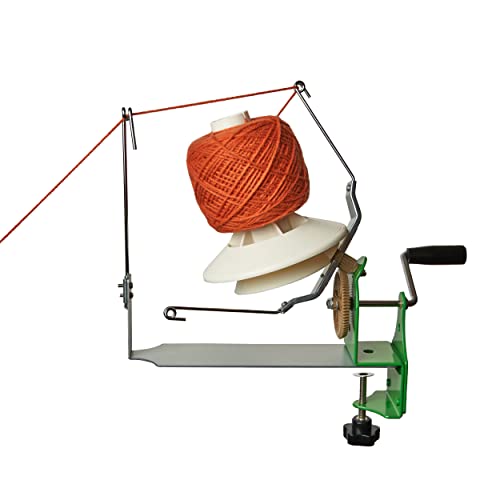
If you are a professional or a high-volume knitter who winds yarn daily, you need equipment that won’t fail under pressure. Nancy’s Knit Knacks is the gold standard for serious users who demand longevity and absolute reliability in their tools.
The high-torque gear system allows you to wind large quantities of yarn quickly without the handle feeling like it’s going to snap. It is a significant investment, but it is built to last a lifetime, making it a true heirloom tool for your craft room.
The learning curve is slightly steeper due to the precision adjustments, but once you master the tension settings, you’ll never look back. It is the ultimate choice for the knitter who treats their fiber arts tools with the same reverence as their favorite needles.
How to Choose the Right Winder for Your Stash
Selecting a winder depends entirely on the type of yarn you use most often. If you exclusively knit with fine, delicate fingering-weight wool for socks, a lightweight, smooth-operating winder is all you need.
However, if you are a "stash-buster" who works with everything from lace to roving, you need a versatile, heavy-duty model. Always consider the following factors before making your purchase:
- Table Clearance: Ensure your table edge is thick enough for the winder’s clamp.
- Yarn Weight: Look for a winder that can handle the diameter of your thickest yarn.
- Capacity: Decide if you need to wind 100g or 400g at a time.
- Storage Space: Consider whether you need something portable or a permanent fixture.
Essential Tips for Perfect Yarn Cake Tension
Achieving the perfect yarn cake is an art form that prevents your yarn from becoming a tangled mess. The most common mistake is winding too fast, which creates uneven tension and can stretch out elastic fibers like superwash wool or nylon blends.
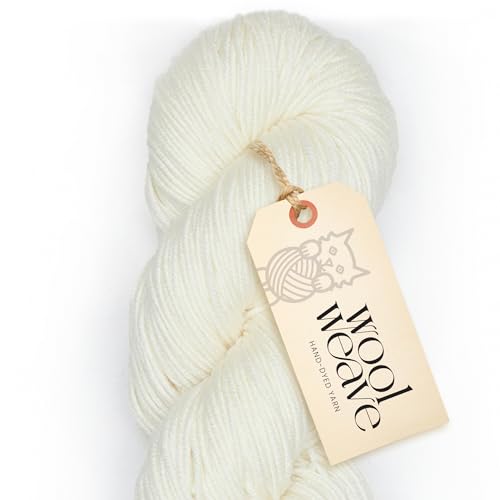
Always ensure the yarn is feeding smoothly from your swift without any snags or resistance. If you feel the yarn tugging, stop and check for a knot or a catch in the hank; forcing it through the winder will only lead to a lopsided cake.
Finally, don’t overfill the winder. A cake that is too large will eventually lose its structure and collapse, making it difficult to pull from the center. Aim for a medium-sized cake that feels firm but not compressed.
Maintenance Guide for Long-Lasting Winders
Even the most expensive winder needs a little TLC to keep the gears turning smoothly. Dust and stray fibers are the enemies of internal mechanisms, so take a moment to wipe down your winder after a long session of stash organization.
Every few months, check the gear assembly for any buildup of fiber. If the handle starts to feel stiff or makes a grinding noise, a tiny drop of sewing machine oil on the moving parts can work wonders, but use it sparingly to avoid staining your yarn.
Store your winder in a clean, dry place to prevent moisture from affecting the gears or the wood. By treating your winder with the same care you give your favorite needles, you ensure it will serve you for years to come.
Investing in a quality yarn winder is one of the best ways to respect your fiber and streamline your creative process. By choosing a tool that matches your specific knitting habits, you remove the friction between your stash and your needles. May your cakes always pull from the center and your tangles stay at zero. Happy knitting!