7 Best Ergonomic Grips For Metal Needles To Try
Improve your knitting comfort with these 7 ergonomic grips for metal needles. Discover top tools designed to reduce hand strain and enhance your craft today.
Knitting for hours on end can turn a relaxing hobby into an exercise in physical strain, especially when using thin, slick metal needles. The right ergonomic grip can transform your experience by providing a wider surface area for your fingers to hold. By reducing the pressure needed to maintain a steady grip, you can knit longer without feeling that familiar ache in your joints. This guide explores the best options to help you find the support your hands deserve.
Clover Soft Touch Needle Grips: Best for Comfort


Clover’s Soft Touch line is legendary for a reason: the material is incredibly forgiving. These grips feature a cushioned, rubberized texture that feels soft against the skin, even after hours of working on a complex lace shawl.
The genius of this design lies in its ergonomic shape, which naturally encourages a relaxed hand position. If you have a tendency to "death grip" your needles, these provide just enough resistance to keep your fingers from sliding without feeling sticky.
However, they are best suited for lighter projects. Because they add a bit of bulk, they can feel slightly cumbersome if you are working with very fine lace-weight yarn or tiny sock needles.
Addi Comfort Grip Handles: The Ergonomic Choice
Addi is synonymous with precision engineering, and their comfort handles reflect that German attention to detail. These grips are designed to redistribute the pressure of your hold across a broader area of your palm and fingers.
They are particularly effective for knitters who suffer from arthritis or carpal tunnel syndrome. The ergonomic silhouette prevents the needle from digging into the soft tissue of your hand, which is a common cause of fatigue during long sessions.
The tradeoff here is compatibility. These handles are often designed for specific needle lines, so you may find they don’t fit every brand in your collection. Always check the diameter compatibility before investing in a set.
Susan Bates Handi Tool Grips: Versatile Options

Susan Bates has been a staple in knitting bags for decades, and their Handi Tool grips are the definition of utility. These are usually sold as universal sleeves that can be slid onto almost any straight metal needle.
If you have a large collection of vintage needles or mix-and-match brands, these are your best bet. They offer a simple, no-frills way to thicken the shaft of your needle, making them much easier to grasp for those with reduced dexterity.
Be aware that because they are universal, they can sometimes shift during vigorous knitting. A tiny drop of water or a light dusting of cornstarch inside the sleeve can help them stay in place while you work.
Pony Ergonomic Needle Sleeves: Simple and Cheap

Sometimes, you don’t need a high-tech solution; you just need a bit of extra cushion. Pony needle sleeves are an affordable, entry-level option that gets the job done without any unnecessary bells and whistles.
These are perfect for beginners who are still figuring out their tension and grip style. They provide a soft, tactile surface that makes it easier to control the needle tip, especially if you are working with slippery superwash wool.
The downside is durability. Over time, the material can lose its elasticity or become tacky if exposed to hand oils or lotions. Treat these as a cost-effective experiment to see if ergonomic grips work for your specific knitting style.
Boye Ergonomic Needle Grips: The Classic Pick
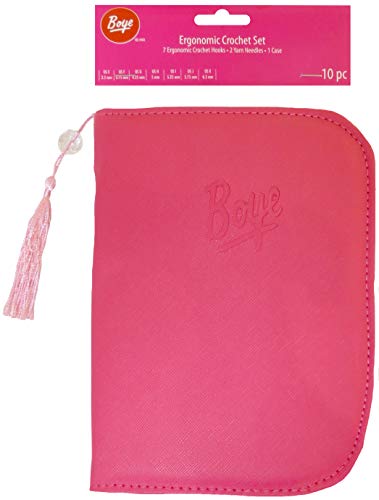
Boye has long provided accessible tools for the everyday knitter. Their ergonomic grips are designed with a focus on simplicity, often featuring a contoured shape that fits nicely into the crook of your thumb and forefinger.
These are excellent for knitters who prefer a traditional, lightweight feel but need a little extra help with grip. If you find your needles slipping out of your hands while you work on a bulky sweater, these provide the necessary friction to keep your stitches secure.
One thing to keep in mind is the weight distribution. Adding a grip to a metal needle changes the balance point, which might take a few rows to get used to. Give yourself time to adjust your muscle memory before deciding if they work for you.
KnitPro Ergonomic Needle Grips: Precise Control
KnitPro focuses on the intersection of aesthetics and functionality. Their grips are often integrated into the needle design, offering a seamless transition from the metal tip to the ergonomic handle.
This design is ideal for knitters who prioritize precision. Because the grip is fixed and stable, you don’t have to worry about it sliding off or shifting while you are in the middle of a delicate cable cross or a complex decrease.
These are a higher-end investment, so they are best suited for the needles you reach for every single day. If you have a favorite pair of 3.5mm needles that you use for almost every project, upgrading to an ergonomic version is money well spent.
Tulip Etimo Comfort Grips: Luxury Hand Support
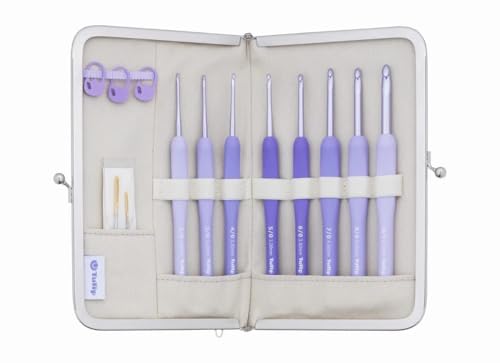
Tulip’s Etimo series is widely considered the gold standard for luxury knitting tools. The grip material is a proprietary elastomer that feels almost like velvet, providing a secure, non-slip hold that remains comfortable for hours.
The shape is meticulously engineered to reduce the effort required to hold the needle. This is a game-changer for knitters who struggle with hand cramps or tension-related pain, as it allows for a much lighter, more relaxed grip.
While they come at a premium price point, the quality is undeniable. If you are a dedicated knitter who spends significant time at your craft, the ergonomic benefits provided by these grips are worth the investment.
Why Ergonomic Grips Help Prevent Hand Fatigue
The primary cause of hand fatigue is the repetitive, high-pressure grip required to hold thin, metal needles. When your hands are cramped, the muscles in your forearms and shoulders compensate, leading to soreness that extends far beyond your fingers.
Ergonomic grips increase the diameter of the needle shaft, which allows your hand to stay in a more neutral, relaxed position. This is similar to using a thick-barreled pen versus a thin pencil; the larger surface area reduces the need for a tight, pinching grasp.
- Muscle Engagement: Wider grips allow for a "power grip" rather than a "precision pinch."
- Pressure Distribution: Spreading the needle’s weight across more surface area prevents localized pressure points.
- Long-Term Health: Consistent use of ergonomic tools can help mitigate the risk of repetitive strain injuries.
How to Properly Install Grips on Metal Needles
Installing a slip-on grip can sometimes be a struggle, especially if the fit is tight. Start by ensuring both the needle and the grip are clean and dry, as any moisture or oil can make the process slippery and frustrating.
If the grip is particularly stubborn, a tiny bit of soapy water can act as a lubricant. Slide the grip onto the needle, then let it sit for a few hours until the water evaporates; the friction will then hold the grip securely in place.
Avoid using sharp tools or excessive force to push the grip on, as this can damage the needle tip or the grip material itself. A gentle, twisting motion is usually the most effective way to seat the grip properly.
Tips for Maintaining Your Knitting Needle Grips
To keep your grips in top condition, wipe them down with a damp cloth after every few sessions. This removes the natural oils from your skin, which can cause the material to break down or become tacky over time.
If your grips start to feel sticky, a light dusting of talcum powder or cornstarch can restore their texture. Store your needles in a cool, dry place away from direct sunlight, as UV exposure can degrade rubber and silicone-based materials.
Finally, inspect your grips periodically for signs of cracking or splitting. If a grip starts to fail, it is better to replace it than to continue using it, as a compromised grip can shift unexpectedly and ruin your tension or even snag your yarn.
Finding the right ergonomic grip is a deeply personal process that depends as much on your knitting style as it does on your hand health. By experimenting with these different materials and shapes, you can find the perfect balance that keeps you knitting comfortably for years to come. Remember that the best tool is the one that allows you to focus on the joy of the craft rather than the pain in your hands. Happy knitting, and may your stitches always be even.