6 Best Weaving Beaters For Heavy Rug Weaving
Master heavy rug weaving with our top 6 beaters. We review durability, grip, and weight to help you choose the best tool for achieving a tight, even weft.
Rug weaving demands a level of physical force and structural precision that standard textile work simply does not require. When you are packing heavy wool or rag strips into a tight warp, the tool you use to beat the weft into place becomes the most critical extension of your body. Choosing the right beater is the difference between a rug that holds its shape for decades and one that goes limp after a few months of foot traffic. Here are the top choices to help you achieve that professional-grade, rock-solid tension.
Schacht Flip Rigid Heddle Beater: Best Overall


The Schacht Flip is a marvel of engineering, but for heavy rug work, you are essentially pushing this loom to its structural limits. It is the best overall choice because it bridges the gap between portability and the sheer force needed for decorative floor coverings.
If you are a weaver who loves the flexibility of a rigid heddle loom but wants to transition into home decor, this beater provides enough mass to pack down standard rug yarns. It handles the rhythmic, repetitive motion of beating without the excessive vibration that leads to weaver fatigue.
However, keep in mind that this is not a dedicated industrial rug loom. If you are working with extremely thick, heavy-duty jute or massive wool roving, you may find the beater’s weight insufficient for a single, solid pass. Use a double-beat technique—beating once with the shed open and once closed—to compensate for the lighter frame.
Ashford Heavy Duty Beater for Rug Looms
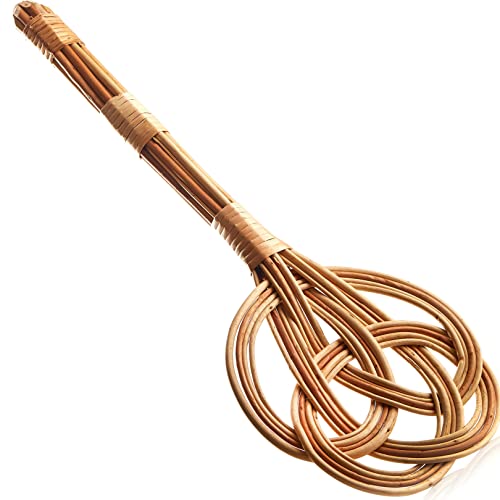
Ashford has built a reputation on durability, and their heavy-duty beater attachment is designed specifically for those who treat weaving as a workout. It is built with extra bracing to ensure that the reed remains perfectly parallel to the breast beam, even under significant pressure.
This beater is ideal if you are working on a dedicated rug project where consistency is your primary goal. The added weight helps you achieve a "thud" rather than a "clack," which is the sound you want to hear when the weft is properly seated.
The tradeoff here is the physical effort required to operate it over long sessions. If you find your shoulders aching after an hour, consider adjusting your loom height to ensure you are using your core to pull the beater rather than just your wrists.
Leclerc 45-Inch Floor Loom Rug Beater

Leclerc is the gold standard for traditional, heavy-duty floor looms, and their rug beaters are built like tanks. When you are working on a 45-inch wide project, you need a beater that doesn’t flex in the middle, as a flexing beater will cause uneven tension across the width of your rug.
This beater excels at maintaining a perfectly even edge-to-edge pack. Because it is so robust, it is the preferred tool for weavers who use high-tension warps, such as linen or heavy-duty cotton, which are common in traditional rag rug construction.
The sheer size of this beater means it has a lot of momentum. You don’t need to slam it; you need to guide it with a steady, controlled follow-through. Always ensure your warp tension is set high before you begin, or this powerful beater will simply pull your warp threads out of alignment.
Harrisville Designs Rug Weaving Beater
Harrisville is famous for its "built to last" philosophy, and their rug beaters reflect a deep understanding of the mechanical stress involved in rug making. The construction is solid, favoring wood density that absorbs the vibration of the beat rather than bouncing back.
This is a fantastic choice for the weaver who values tactile feedback. You can feel exactly how much resistance the weft is offering, which helps you develop the "weaver’s intuition" for when a row is fully packed.
Because these beaters are often paired with their classic floor looms, they are perfectly balanced for the loom’s specific swing arc. If you are mixing and matching components, be cautious; this beater performs best when the pivot points are perfectly aligned with the Harrisville frame.
Glimakra Countermarche Heavy Duty Beater
The Glimakra system is for the serious, professional-level weaver who views rug making as a lifelong craft. The countermarche beater is unique because it is part of a balanced system that keeps the warp tension perfectly stable during the beat.
This is the ultimate tool for heavy-duty work because it allows for a very heavy, weighted beater without compromising the shed. In many looms, a heavy beater can cause the warp to sag, but the Glimakra’s mechanical design prevents this completely.
If you are working with complex patterns or high-density wool, this is the gold standard. It is an investment, but for those committed to high-traffic, heirloom-quality rugs, the structural integrity it provides is unmatched.
Louet Spring Loom Rug Beater Attachment
The Louet Spring loom is known for its smooth action, and the rug beater attachment is designed to maintain that ease of use while adding necessary weight. It is an excellent choice for weavers who want a heavy beat without the clunky, mechanical resistance found in older loom designs.
This attachment is particularly effective for those who switch between lighter weaving and heavy rugs. It is easy to install and remove, making it the most versatile option for a multi-purpose studio.
Remember that a smoother, easier-to-operate beater can sometimes tempt you to beat too quickly. Consistency is the secret to a professional rug; slow down your rhythm to ensure every single pick is packed with the exact same amount of force.
How to Choose the Right Beater for Rug Tension
Choosing a beater isn’t just about weight; it is about how that weight interacts with your specific warp material. If you are using a slick, synthetic warp, a heavy beater might cause your threads to slip and create gaps in your rug.
- Weight: Heavier is generally better for packing, but it must be manageable for your physical frame.
- Balance: The beater should hang naturally at a slight angle toward the fell line.
- Width: The beater should be slightly wider than your warp to prevent "draw-in" at the edges.
If you are a beginner, start with a medium-weight beater and learn to control your force. You can always add a second beat, but you cannot easily fix a rug that has been over-beaten to the point of warping or buckling.
Understanding Reed Dent Size for Heavy Weaving
The reed is the "comb" that keeps your warp threads spaced correctly, and in rug weaving, the dent size (the number of slots per inch) is just as important as the beater itself. For heavy rugs, you need a lower dent count to allow the thick weft to pass through without friction.
A common mistake is using a reed that is too fine, which prevents the weft from packing down tightly. If your rug feels "bouncy" or soft, you likely need a coarser reed to allow the warp threads to spread and the weft to nestle into the gaps.
Always match your reed to the thickness of your yarn. A good rule of thumb is that the warp threads should take up about 50% of the space in each dent, leaving the other 50% for the weft to compress into.
Maintaining Your Beater for Optimal Shedding
A beater that isn’t maintained will eventually lead to uneven shedding, which causes skipped threads and broken warp ends. Check the pivot points of your beater regularly; if they are loose, the beater will wobble, leading to a diagonal beat that ruins your rug’s symmetry.
Keep the wood of your beater conditioned with a light, non-staining oil to prevent it from drying out and splintering. A splintered beater is a death sentence for delicate wool warp threads, as it will snag and fray them with every single pass.
Finally, ensure your reed is securely seated in the beater frame. Over time, the vibration of heavy beating can cause the reed to shift, which will result in uneven tension across your warp and a wavy edge to your finished rug.
Essential Tips for Achieving a Tight Rug Weft
Achieving a tight, professional-looking rug is all about the angle of the weft. Never lay your weft yarn straight across the loom; always lay it in a "bubble" or a steep diagonal arc before you beat it into place.
This arc provides the extra length needed for the weft to travel over and under the warp threads without pulling them inward. If you pull your weft tight before beating, you will create a "waisted" rug that curves inward at the center.
- The Bubble Technique: Lay the yarn in a series of small loops across the warp.
- The Angle: Lay the yarn at a 45-degree angle to the fell line.
- The Beat: Use a firm, steady motion, and always beat with the shed closed for the tightest possible pack.
Rug weaving is a meditative, physical practice that rewards patience and precise tool management. By selecting a beater that matches your loom’s capabilities and your physical needs, you set the foundation for a lifetime of durable, beautiful textiles. Take the time to calibrate your setup, respect the rhythm of your loom, and your rugs will stand the test of time. Happy weaving, and may your edges always be straight.