6 Best Loom Clamps For Securing To Work Surfaces
Ensure stability with our guide to the 6 best loom clamps. Discover durable, easy-to-use options that keep your weaving projects secure on any work surface.
Weaving on a table loom requires a rock-solid foundation, as even the slightest movement can disrupt your tension and lead to uneven selvedges. A loom that dances across your table while you throw the shuttle is a weaver’s worst nightmare, leading to frustration and inconsistent fabric. Finding the right clamp is the secret to turning a wobbly setup into a professional-grade workstation. These six options represent the gold standard for keeping your equipment exactly where it belongs.
Ashford Table Loom G-Clamp: Best Overall Choice


The Ashford G-Clamp is a staple in weaving studios for a reason: it is remarkably straightforward and incredibly robust. Its classic design provides a deep throat, allowing it to secure to a wide variety of table thicknesses with ease.
When you are working on a complex project, such as a delicate silk scarf or a dense wool table runner, you need a clamp that won’t budge. This clamp tightens with a simple screw mechanism that delivers consistent, even pressure. It doesn’t mar your table surface if used with a small protective pad, keeping your furniture as pristine as your warp.
The bottom line is reliability. This clamp is the workhorse of the weaving world, offering the perfect balance of strength and accessibility for almost any table-top loom.
Schacht Spindle Company Heavy Duty C-Clamp

If you are weaving heavy, high-tension projects like rag rugs or thick upholstery fabric, standard clamps often fall short. The Schacht Heavy Duty C-Clamp is engineered to handle the significant torque that occurs when you beat the weft firmly against the fell line.
These clamps are built with a thicker gauge of steel, ensuring they won’t flex or bend under pressure. If you have ever felt your loom "give" while you are throwing a heavy shuttle, this is the hardware upgrade you need.
Because they are so sturdy, they can be slightly heavier than other models. However, the peace of mind they provide during a long, tension-heavy weaving session is well worth the extra weight.
Kromski Rigid Heddle Loom Mounting Clamp
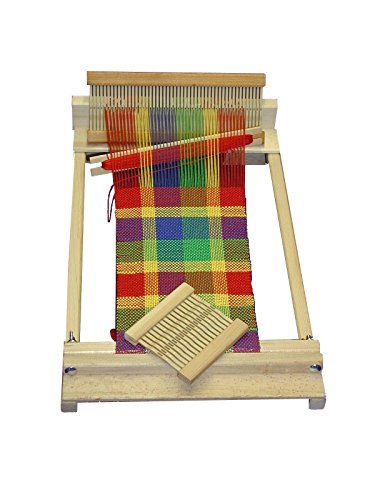
Kromski designs their clamps with a specific aesthetic and functional harmony that matches their beautiful European alder looms. These clamps are purpose-built to fit the specific frame dimensions of their rigid heddle series, ensuring a snug, custom-like fit.
What I appreciate about these is the ease of installation. They are designed to be tightened quickly, which is ideal if you are a weaver who needs to clear their dining room table between projects.
While they are optimized for Kromski frames, their versatility often surprises users. They are a fantastic choice if you value equipment that looks as good as it performs.
Leclerc Loom Table Mount Accessory Clamp

Leclerc has been a titan in the weaving industry for decades, and their mounting accessories reflect a deep understanding of loom mechanics. This clamp is designed for those who need a low-profile solution that doesn’t get in the way of your arms or shuttle movement.
The design is compact, which is a major advantage if you are working in a tight space or a small studio. It secures the loom firmly without creating a large footprint that might snag your yarn or your sleeves.
If you are prone to catching your yarn on protruding hardware, this streamlined clamp is a smart investment. It keeps your workspace clean and your weaving flow uninterrupted.
Harrisville Designs Wooden Tension Clamp
There is something inherently satisfying about using wooden tools in fiber arts, and the Harrisville Designs tension clamp is no exception. These wooden clamps are gentle on both your loom and your furniture, providing a grip that feels more organic than harsh metal.
Because they are made of wood, they provide a slightly different friction coefficient than metal clamps. This can be beneficial if you are working on a very slick table surface where metal clamps might slide.
They are an excellent choice for the weaver who wants to maintain a traditional, tactile experience. Just be mindful that they require a bit more care to ensure the wood remains conditioned and free of splinters.
Ashford Loom C-Clamp for Rigid Heddle Models
Rigid heddle looms are often lighter than multi-shaft table looms, which means they are more prone to "walking" during the weaving process. This specific clamp from Ashford is designed to anchor these lighter frames effectively without over-tightening.

The focus here is on precision. It provides just enough grip to keep the loom stationary, preventing the subtle vibrations that can lead to uneven tension across your warp threads.
If you find that your rigid heddle loom is shifting during your shed changes, this clamp will solve that issue immediately. It is an essential, inexpensive piece of insurance for your project’s consistency.
How to Select the Right Clamp for Your Loom
When selecting a clamp, the first step is to measure the thickness of your table and the frame of your loom. A clamp that is too small won’t open wide enough, while one that is too large will be difficult to secure tightly.
Consider the "throat depth" of the clamp as well. This measurement determines how far back the clamp can reach to secure the loom to the table. If your loom has a wide frame, you need a deeper throat to get a secure bite.
Finally, think about your weaving style. If you beat your weft with a heavy hand, prioritize heavy-duty steel clamps over lighter wooden or plastic alternatives.
Understanding Table Surface and Clamp Fit
Your table surface is just as important as the clamp itself. A glass or highly polished table can be slippery, making it difficult for even the best clamp to hold firm.
- Use a rubber shelf liner: Placing a thin piece of non-slip shelf liner between the clamp, the loom, and the table significantly increases grip.
- Protect the finish: Always place a scrap of leather or felt between the metal clamp and your table to prevent scratches.
- Avoid uneven surfaces: Ensure the clamp is sitting on a flat, level part of the table to avoid creating stress points that could damage your furniture.
Tips for Preventing Loom Slippage While Weaving
Even with the best clamps, a loom can sometimes shift if it is placed on a slick surface. Beyond clamping, consider the overall ergonomics of your setup.
Ensure your loom is positioned at a height that allows you to beat the weft evenly. If you are reaching too far or sitting too low, you apply uneven pressure, which encourages the loom to move.
If you are still experiencing movement, try adding a heavy weight to the back of the loom frame. Adding a few pounds of weight can act as a stabilizer, working in tandem with your clamps to keep everything locked in place.
Essential Maintenance for Your Loom Hardware
Clamps are mechanical tools, and like any tool, they need periodic attention. Check the threads of your screw mechanisms occasionally to ensure they are clean and moving freely.
If you are using metal clamps, a tiny drop of machine oil on the threads can make tightening and loosening much smoother. If you use wooden clamps, keep them away from extreme heat or moisture to prevent warping.
Treat your hardware with the same care you give your shuttles and heddles. A well-maintained clamp will last for decades, supporting you through hundreds of beautiful, well-tensioned projects.
Investing in quality clamps is one of the most practical upgrades you can make for your weaving practice. By choosing hardware that suits your specific loom and table, you eliminate the physical instability that often leads to uneven tension and weaving fatigue. Take the time to secure your setup properly, and you will find that your rhythm improves and your finished fabrics look far more professional. Happy weaving, and may your selvedges always be straight.