7 Best Fabric Shears For Heavy Textiles To Own
Discover the 7 best fabric shears for heavy textiles. Learn which durable, sharp blades offer precision and comfort for your toughest sewing projects today.
Cutting through heavy textiles like thick wool melton, upholstery-weight canvas, or bonded felt requires more than just a sharp edge; it demands structural integrity and mechanical leverage. As someone who has spent decades working with everything from delicate lace-weight mohair to dense, heavy-duty fibers, I know that the right tool prevents hand fatigue and uneven edges. A dull or flimsy pair of scissors will chew your fabric rather than slice it, turning a beautiful project into a frustrating mess. These seven shears are the workhorses I trust to handle the heavy lifting of your fiber arts studio.
Gingher 8-Inch Knife Edge Dressmaker Shears


Gingher shears are the gold standard for many makers, and for good reason. Their knife-edge grind is specifically designed to slice through multiple layers of fabric without the material slipping or bunching up.
When you are cutting through dense, boiled wool for a coat or thick interfacing for a structured bag, the weight of these shears provides a natural mechanical advantage. The blades are forged from high-quality steel that holds an edge remarkably well over time.
However, keep in mind that these are heavy. If you have any history of wrist strain from long hours of knitting or crochet, the weight might become noticeable during marathon cutting sessions.
Kai 7250 10-Inch Professional Fabric Shears

If you want a pair of shears that feel like an extension of your own hand, the Kai 7250 is the answer. These are made from high-carbon stainless steel, which offers a level of sharpness that feels almost effortless.
The 10-inch length is ideal for long, sweeping cuts across wide pieces of heavy-duty fabric. Because they are slightly lighter than traditional forged steel shears, they are an excellent choice for those who want professional performance without the hand fatigue.
The pivot assembly is incredibly smooth, ensuring that you don’t get that "crunchy" feeling when moving through thick seams. They are a significant investment, but for a serious fiber artist, the precision is worth the cost.
Wiss W7 7-Inch Industrial Inlaid Steel Shears

Wiss has been a staple in sewing kits for generations, and their W7 industrial series is built for sheer durability. These are "inlaid" shears, meaning a high-carbon steel blade is welded to a softer steel handle, creating a tool that is both tough and easy to sharpen.
I often recommend these to students who are just starting to work with heavier materials but aren’t ready to drop a fortune on boutique tools. They are utilitarian, rugged, and handle thick denim or heavy canvas without complaint.
They might not have the polished, ergonomic finish of more expensive shears, but they get the job done. If you prioritize function over form, these are your best bet.
LDH Scissors Midnight Edition Fabric Shears
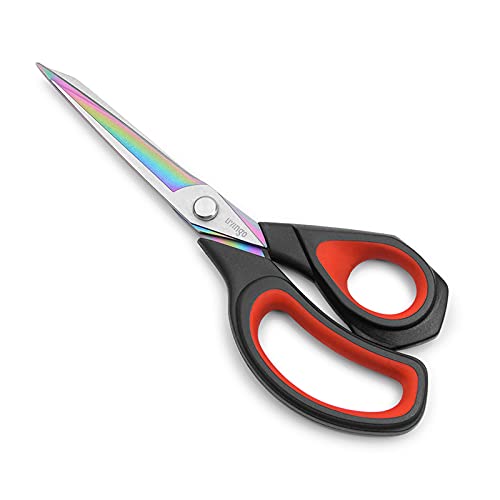
LDH Scissors have become a favorite in the modern maker community for their sleek design and high-quality construction. The Midnight Edition features a black industrial coating that isn’t just for show; it adds a layer of protection against rust and wear.
These shears are exceptionally well-balanced, which is crucial when you are cutting heavy textiles that require a steady, controlled hand. The blades are sharp enough to glide through thick, multi-ply wool without snagging the fibers.
They bridge the gap between traditional craftsmanship and modern aesthetics. If you appreciate a tool that performs beautifully and looks stunning on your cutting table, these are a fantastic choice.
Fiskars Amplify RazorEdge Heavy-Duty Shears

Fiskars is often associated with general-purpose scissors, but the Amplify line is a game-changer for heavy textiles. These shears feature a unique sensor-based mechanism that detects the thickness of the fabric and adjusts the blade tension accordingly.
This is particularly useful if you find yourself switching between thin lining fabrics and thick, heavy outer layers. You don’t have to constantly adjust your grip or pressure because the shears do the heavy lifting for you.
They are made with a comfortable, ergonomic handle that minimizes pressure points. While they may not have the "heirloom" feel of forged steel, they are incredibly effective for modern, high-volume projects.
Mundial Classic Forged 8-Inch Tailor Shears

There is something undeniably satisfying about the weight and balance of a pair of Mundial forged shears. These are classic tailor shears, designed for people who spend their entire day cutting heavy suitings and woolens.
The blades are precision-ground and offer a clean, crisp cut from the pivot all the way to the tip. This is essential when you are trying to navigate tight curves on a heavy pattern piece where you cannot afford a jagged edge.
Because they are forged, they are incredibly sturdy and can be sharpened repeatedly over the years. They are a true investment piece that, if cared for, will last through decades of projects.
Havel’s 8-Inch Heavy-Duty Serrated Edge Shears
If you struggle with slippery fabrics or heavy-duty materials that tend to slide away from the blade, a serrated edge is your best friend. Havel’s serrated shears "grip" the fabric as you cut, preventing any shifting or distortion.
I find these indispensable when working with slippery, heavy synthetic blends or dense, felted wool that has a mind of its own. The serration is fine enough that it doesn’t leave a jagged edge, but aggressive enough to hold the fabric firmly in place.
They are an excellent specialized tool to have in your arsenal alongside your standard knife-edge shears. They simplify the process of cutting difficult, heavy textiles significantly.
How to Select the Right Shears for Heavy Fabrics
- Look for Forged Steel: Forged shears are generally more durable and hold an edge longer than stamped metal versions.
- Check the Pivot: A high-quality, adjustable pivot screw allows you to tighten or loosen the blades as they wear down.
- Consider the Weight: Heavier shears use gravity to help you cut, but they can be taxing on the wrist if you have long sessions ahead.
- Match the Edge to the Fiber: Use knife-edge shears for clean cuts on woven wools, and serrated edges for slippery or high-loft synthetic textiles.
Essential Tips for Maintaining Sharp Blade Edges
The most important rule in my studio is simple: never use your fabric shears for anything other than fabric. Cutting paper, wire, or even thick plastic will dull the blades almost instantly, ruining that factory-honed edge.
If you notice your shears are starting to "chew" the fabric rather than slice it, it is time for a professional sharpening. While home sharpening kits exist, a professional can restore the specific angle of the knife-edge grind without removing too much metal.
Between professional sharpenings, keep your blades clean. Use a soft, dry cloth to wipe away any lint or fiber dust after every project, as these particles can accumulate and interfere with the blade tension.
Proper Handling and Storage for Fabric Scissors
Always store your shears in a dry place to prevent rust, especially if you live in a humid climate. I recommend keeping them in their original box or a dedicated fabric-lined case to protect the blades from accidental nicks.
When you are working, try to keep your scissors on a dedicated cutting mat or a clear space on your table. Dropping a pair of high-quality forged shears on a hard floor can misalign the blades, which is a difficult and expensive fix.
Finally, resist the urge to use your shears to pry things open or poke at your knitting. Treat them with the same respect you would a fine pair of needles, and they will return the favor by making your cutting process seamless.
Investing in a high-quality pair of shears is just as critical as choosing the right yarn for your next sweater or shawl. By selecting a tool that matches the weight of your fabric and maintaining it with care, you ensure that your projects start with precision and ease. Don’t settle for dull blades that turn your creative process into a chore, as the right equipment truly makes all the difference. Happy making, and may your cuts always be as clean as your stitches.