6 Best Thimbles For Fair Isle Colorwork To Try
Master Fair Isle colorwork with our top six thimble picks. Discover how these essential tools improve tension and speed for seamless, beautiful knitting.
Fair Isle colorwork is a rewarding journey, but managing two strands of yarn simultaneously often leads to tangled fingers and uneven tension. A knitting thimble acts as a dedicated guide, keeping your colors separated and your stitches consistent throughout the project. Whether you are working on a traditional Norwegian sweater or a simple color-blocked hat, the right tool can transform a frustrating process into a rhythmic flow. Here are six top-tier thimbles that can help you master the art of stranded knitting.
Clover Adjustable Metal Thimble: Best Overall


This classic metal thimble remains the gold standard for many knitters because of its simple, reliable design. It features two small wire loops that keep your yarn strands separated, preventing the dreaded "yarn soup" that often happens when working with multiple colors.
Because it is made of metal, you can gently squeeze or expand the ring to fit your finger perfectly. This customization is vital; if the thimble is too loose, it will slide around while you work, but if it is too tight, it will restrict circulation during long knitting sessions.
The primary trade-off is the metal itself, which can feel cold or slightly rigid against the skin for some users. However, its durability is unmatched, making it a reliable workhorse for those who knit colorwork projects back-to-back.
Prym Ergonomic Plastic Yarn Guide: Best Value

The Prym Ergonomic guide takes a modern approach by using a soft, flexible plastic material that contours to the shape of your finger. It is lightweight and surprisingly comfortable, making it an excellent choice for knitters who find metal versions too bulky or irritating.

It features a unique design that allows the yarn to glide through the guides with minimal friction. This is particularly helpful when working with sticky wool fibers like high-twist Highland or non-superwash yarns that tend to grab onto themselves.
While it is very affordable, the plastic construction means it lacks the structural longevity of metal versions. If you are a heavy-duty knitter who spends hours every day on complex charts, you may eventually find that the plastic wears down or loses its shape.
Tulip Knitting Thimble: Best For Precision
The Tulip thimble is a masterclass in Japanese engineering, offering a refined, smooth finish that prevents yarn from catching or fraying. If you work with delicate fibers like lace-weight alpaca or fine silk blends, this is the tool you want in your kit.
The precision-engineered guides ensure that your yarn tension remains perfectly consistent, which is the secret to getting that professional, uniform look in your colorwork. It feels substantial on the finger without being heavy, providing a sense of stability that helps with rhythm.
While it comes at a higher price point, the quality of the material ensures that you won’t have to worry about snagging your expensive hand-dyed yarns. It is a premium investment for the dedicated colorwork enthusiast.
Cocoknits Leather Finger Guide: Best Comfort

If you find that traditional metal or plastic thimbles cause hand fatigue or skin irritation, the Cocoknits leather guide is a game-changer. It is soft, breathable, and molds to your finger over time, providing a natural fit that feels like a second skin.
This guide is ideal for knitters who struggle with the "hard" feel of standard tools. Because leather has a bit of natural grip, it stays firmly in place on your finger without needing to be clamped down tightly, which helps prevent hand cramping.
The main drawback is that it may require a brief "break-in" period. Furthermore, because it is leather, it is not as easily adjustable as a metal ring, so you must choose the correct size from the start to ensure a proper fit.
Clover Double Strand Guide: Best For Two Colors
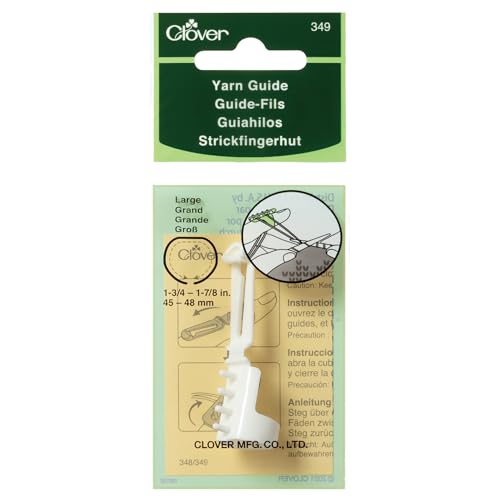
This specific tool is designed exclusively for the two-strand method, featuring deep, secure channels that keep your yarns from ever crossing. It is a fantastic entry point for beginners who are just learning how to manage two colors without getting them tangled.
The design is straightforward and effective, focusing on keeping the strands at a constant distance from each other. This is especially useful when working with high-contrast colors, as it ensures that your dominant color and background color remain distinct.
It is a lightweight and inexpensive option, though it is less versatile than multi-strand guides. If you decide to move on to three-color knitting later, you will likely need to upgrade to a more complex tool.
Addi Knitting Thimble: Best For Speed Work
Addi is known for its high-quality knitting needles, and their thimble follows that same philosophy of speed and efficiency. It is designed to allow the yarn to flow rapidly, which is perfect for knitters who have developed a fast, rhythmic style.
The guides are positioned to minimize friction, meaning you can move through your rows much faster than you could by holding the yarn in your fingers alone. It is a favorite among knitters who produce large-scale items like blankets or full-length sweaters.
Because it is designed for speed, it can take a little practice to learn how to keep your tension from becoming too loose. Once you master the rhythm, however, it is arguably the most efficient tool on the market for high-volume colorwork.
Why Use A Thimble For Fair Isle Colorwork
Managing two strands of yarn in one hand is a skill that requires significant muscle memory. A thimble acts as an external guide, effectively giving you a "third hand" to keep the yarns from twisting together.
When you hold yarn in your fingers, the natural oils and heat from your skin can cause the yarn to become tacky, leading to uneven tension. A thimble provides a smooth, neutral surface that keeps the yarn moving at a consistent speed.
Ultimately, using a thimble is about consistency. Even the most skilled knitter will experience slight variations in tension over a long session, and a thimble helps normalize those differences, leading to a much cleaner final fabric.
How To Properly Adjust Your Tension Thimble
The most common mistake knitters make is wearing their thimble too far down on the finger. Ideally, it should sit comfortably at the first knuckle, allowing your finger to bend naturally without the thimble digging into your skin.
If you are using a metal thimble, take a moment to adjust the opening before you start knitting. Use a pair of pliers to gently nudge the metal, but do so in small increments; metal can become brittle if bent back and forth repeatedly.
Test the tension by running your yarn through the guides; it should glide smoothly but offer enough resistance to keep the yarn taut. If you feel you are fighting the tool, adjust the guide opening slightly until the yarn moves with a gentle, consistent drag.
Troubleshooting Common Yarn Snagging Issues
If your yarn is snagging, first check the guides of your thimble for any burrs or rough edges. Even high-quality tools can sometimes have microscopic imperfections that catch on delicate fibers like mohair or single-ply wool.
If the tool itself is smooth, the issue might be the angle at which you are holding your needles. Try adjusting your hand position so that the yarn feeds into the needle at a shallower angle, which reduces the amount of friction against the thimble’s guide.
Finally, consider the yarn itself; some highly textured or "hairy" yarns are simply prone to grabbing. If you are working with a fuzzy yarn, you may need to use a slightly wider guide or move to a teflon-coated thimble to reduce drag.
Expert Tips For Maintaining Even Tension
Even with a thimble, your tension will be affected by the weight of your yarn and the size of your needles. If you are a tight knitter, consider going up half a needle size to compensate for the extra "pull" that colorwork naturally creates.
Always remember to "spread" your stitches on the right-hand needle after every few inches of knitting. This prevents the floats on the back of the work from becoming too tight, which is the most common cause of puckered or distorted colorwork.
Lastly, don’t be afraid to experiment with different holding styles. Some knitters prefer holding one color in each hand, while others prefer using a thimble to hold both in one hand; the right method is simply the one that produces the most consistent, beautiful fabric for you.
Finding the right thimble is a personal process that depends on your unique grip, your preferred yarn fibers, and your knitting speed. By testing these options and focusing on consistent tension, you will find that Fair Isle colorwork becomes a relaxing and meditative experience. Remember that every master knitter started with a tangled mess of yarn, so be patient with yourself as you find your rhythm. Happy knitting, and may your floats always be even and your colors bright.