7 Best Notepad Sets For Pattern Notes To Organize Projects
Discover 7 top notepad sets for pattern notes. These tools help you organize complex projects efficiently, boosting your productivity and creative workflow.
Every knitter knows the frustration of losing a scrap of paper containing a crucial row-count or a modified stitch repeat. When you are deep into a complex lace shawl or a stranded colorwork yoke, having a dedicated space for your notes is as essential as your favorite needle set. These seven notepad sets offer the structure needed to turn chaotic scribbles into a reliable project history. Investing in the right system ensures that your hard-won pattern modifications are never lost to the bottom of a project bag.
Cocoknits Maker’s Journal: The Best Overall Choice
The Cocoknits Maker’s Journal is designed specifically with the maker’s workflow in mind. It moves beyond simple lined pages, offering dedicated sections for tracking yarn yardage, needle sizes, and specific project milestones.
For those who juggle multiple projects, this journal is a game-changer. It allows you to log the fiber content and wash instructions for every skein, preventing the common tragedy of accidentally felting a delicate wool garment in the laundry.
The trade-off here is the size; it is a substantial book that isn’t meant for a tiny purse. However, for a dedicated home-base for your knitting records, it provides the most comprehensive structure available.
Moleskine Classic Notebook for Knitting Sketches


If you are a knitter who enjoys designing your own cables or charting lace motifs, the Moleskine Classic is your best friend. Its high-quality paper handles ink pens without bleeding, which is vital when you are sketching out complex stitch repeats.
I often recommend this for knitters who prefer a blank canvas over pre-printed forms. You can draw your own grids to match your specific gauge, allowing for a custom fit that pre-formatted planners might not accommodate.
Keep in mind that this notebook lacks specific knitting-related prompts. You must be disciplined enough to create your own index or tracking system to keep your notes organized over time.
Leuchtturm1917 Dotted Journal for Pattern Charts
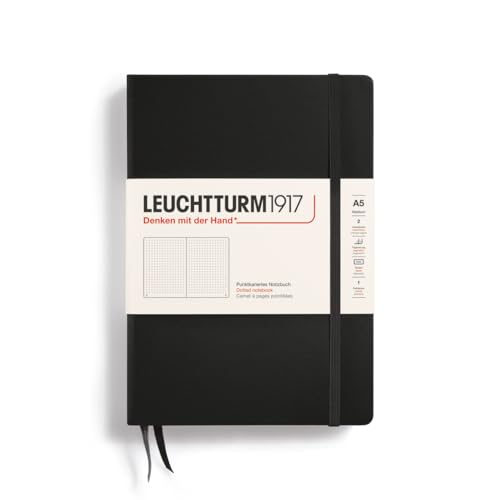
The dot-grid layout of the Leuchtturm1917 is the gold standard for drafting knitting charts. The subtle dots provide a perfect guide for aligning your knit and purl symbols without the visual clutter of a heavy graph paper grid.

This journal is particularly useful when you are working on colorwork charts where every square represents a stitch. The paper quality is excellent, ensuring your markers don’t ghost through to the other side of the page.
The numbering system and the included index pages are its standout features. You can easily flip back to a specific project from three years ago just by checking the table of contents.
Field Notes Memo Books for On-the-Go Swatch Notes
Field Notes are the ultimate tool for the knitter who swatches on the bus or at the local coffee shop. Their slim profile means they tuck easily into any project bag, even those holding just a single pair of socks.
These are perfect for recording quick gauge measurements before you cast on a sweater. I suggest keeping one dedicated solely to your "swatch library," where you record the needle size, yarn brand, and resulting stitches-per-inch for every base you use.
Because they are small, they are not intended for long-term project journals. Treat them as disposable field guides that capture the vital data before you transfer it to a more permanent record.
Hobonichi Techo Planner for Project Tracking Needs
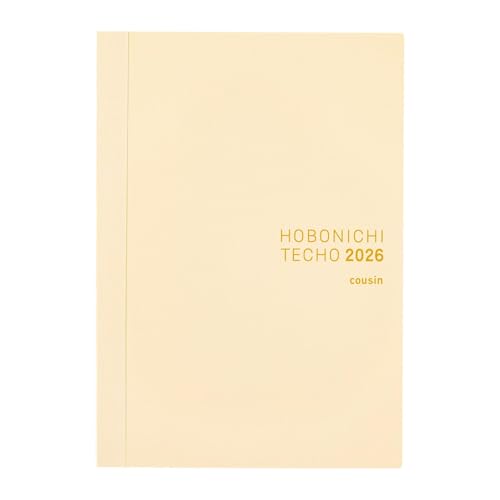
The Hobonichi Techo is a cult favorite for a reason: its thin, durable Tomoe River paper allows for a massive amount of information in a very small footprint. If you are a "process knitter" who likes to track daily progress, this is the planner for you.
The daily page format is ideal for logging row counts. You can note exactly where you stopped for the day, which is a lifesaver when you return to a complex pattern after a long break.
Be aware that the paper is very thin and requires a light touch with fountain pens. If you are a heavy-handed writer, you might experience some show-through, though many knitters find this a small price to pay for the planner’s portability.

Rhodia DotPad for Precise Gauge and Grid Drafting
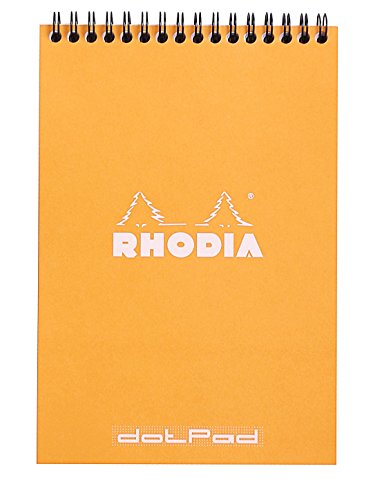
When you need to draft a schematic for a sweater modification, the Rhodia DotPad is unmatched. The paper is exceptionally smooth, making it a joy to use with technical pens for drawing precise shaping lines.
The perforated pages are a major benefit, allowing you to tear out a finished chart or sketch to tape directly into your pattern instructions. This keeps your geometry right where you need it while you are working.
It is a specialized tool, not a journal. You will need to pair this with a folder or binder to keep your loose pages from becoming scattered across your knitting nook.
Rite in the Rain Memo Book for Durable Field Notes
Knitting at the beach or near a pool? The Rite in the Rain memo book is the only choice that will survive a splash. Its synthetic-based paper is water-resistant, making it perfect for outdoor knitting sessions.
While the paper feels slightly different than traditional stationery, it is incredibly robust. It won’t tear easily if it gets caught on a needle tip or snagged inside a bag full of notions.
This is the ultimate "emergency" journal. If you are a travel knitter who often finds yourself in unpredictable environments, this notebook ensures your notes remain legible regardless of the humidity or weather.
Why Dedicated Project Journals Improve Your Knitting
Using a dedicated journal forces you to slow down and acknowledge the technical aspects of your work. Instead of just "knitting a sweater," you are documenting the interaction between the fiber’s twist, the needle’s material, and your own unique tension.
This practice builds a "knitting memory." Over time, you will realize that you consistently need to go up a needle size for alpaca blends, or that you prefer a specific cast-on method for top-down raglans.
Without these notes, you are doomed to repeat the same mistakes. A journal transforms your knitting from a series of isolated events into a cumulative body of knowledge.
Essential Elements to Track in Your Knitting Notes
To make your notes truly useful, you must move beyond just tracking row counts. Every project entry should include a "technical header" that captures the variables affecting your gauge and fabric drape.
- Yarn details: Brand, colorway, dye lot, and fiber content.
- Needle specifics: Material (wood, metal, carbon) and size.
- Gauge: Stitches and rows per 4 inches, both before and after blocking.
- Modifications: Any changes to the pattern, such as lengthening sleeves or adjusting the neckline.
Tracking dye lots is particularly vital for garments. If you ever need to buy an extra skein, having that number written down prevents the frustration of mismatched colors in a finished piece.
How to Organize Your Stash and Project History
Organizing your stash alongside your project notes creates a feedback loop that saves money and reduces clutter. When you know exactly what you have, you are less likely to buy redundant yarn for a project you’ve already completed.
I recommend creating a "Stash Index" at the back of your journal. List your yarn by weight (fingering, worsted, bulky) and note the yardage. This makes it incredibly easy to find a suitable yarn for a new pattern without digging through bins.
Finally, keep a "Project History" section where you list finished objects by date. This serves as a portfolio of your growth, allowing you to see how your tension and finishing skills have improved over the years.
Choosing a notebook system is a personal decision that should reflect how you actually knit rather than how you wish you knitted. Whether you prefer the structure of a pre-printed planner or the freedom of a blank dot-grid, the goal is consistency. Once you start recording your project details, you will find that your confidence grows alongside your collection of finished pieces. Happy knitting, and may your row counts always be accurate.