7 Best Notebook Sets For Project Logging To Try
Boost productivity with our top 7 notebook sets for project logging. Discover durable, organized options designed to track tasks and streamline your workflow.
Every knitter eventually reaches a point where they can’t remember if they used a 3.5mm or 3.75mm needle on that sweater from three years ago. A dedicated project log transforms your craft from a series of isolated experiments into a growing library of personal expertise. By tracking your tension, modifications, and fiber choices, you stop repeating past mistakes and start mastering your own unique gauge. These seven notebooks provide the perfect canvas for documenting your journey from yarn ball to heirloom.
Moleskine Classic Notebook: Best for Durability


If you carry your knitting in a project bag that gets tossed around, you need a notebook that won’t fall apart. The Moleskine Classic is built to survive the bottom of a tote filled with metal needles and sharp stitch markers.
The hard cover is remarkably resilient, protecting your notes from spills and the inevitable crushing weight of a heavy wool sweater. It’s a reliable workhorse for the knitter who treats their journal as a long-term reference guide.
However, the paper quality can be hit-or-miss with wetter inks. If you use heavy fountain pens to sketch your lace charts, you might experience some bleed-through. Stick to ballpoints or fine-liner pens to keep your project logs crisp and legible.
Leuchtturm1917 Medium A5: Best Page Layout
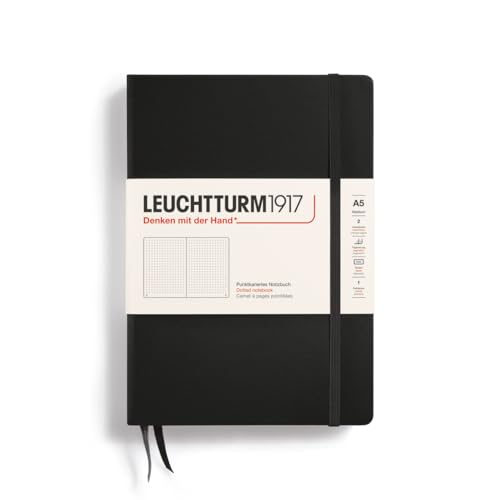
Organization is the secret to a stress-free knitting life, and the Leuchtturm1917 excels here with its numbered pages and pre-printed table of contents. You can easily index your projects by yarn weight or recipient, making it simple to find that specific cable pattern note months later.
The dot-grid layout is the gold standard for knitters. It provides enough structure to draw neat gauge swatches or stitch diagrams without the visual clutter of heavy lines.
The paper is slightly thicker than most, handling a variety of pens with minimal ghosting. It’s the perfect choice for the detail-oriented knitter who wants a structured system that grows with their library of finished objects.
Field Notes Kraft Memo: Best for On-the-Go

Sometimes inspiration strikes while you’re waiting for the bus or sitting in a yarn shop. The Field Notes Kraft Memo is small enough to tuck into a notions pouch alongside your tapestry needles and measuring tape.
Because they are sold in sets, you can dedicate one book specifically to a single complex project, like a multi-color stranded yoke sweater. Once the project is finished, you can archive the notebook with the leftover yarn scrap.
The trade-off is the limited space; don’t expect to fit long-form pattern modifications here. Use these for quick gauge checks and yarn yardage tallies while you’re out in the wild.
Midori MD Notebook: Best for Fountain Pens
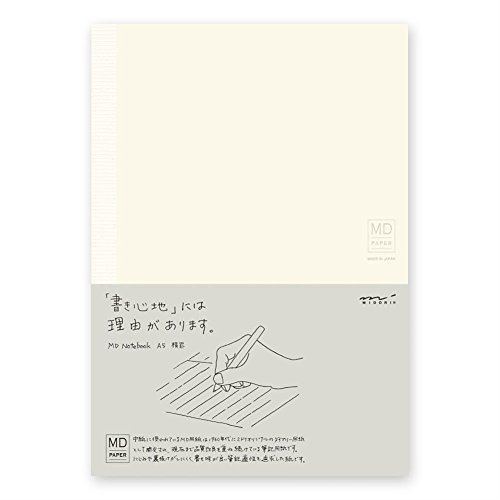
If you enjoy the tactile experience of writing with a fountain pen, the Midori MD is unparalleled. The paper is exceptionally smooth, meaning your ink won’t feather or bleed, even when you’re detailing complex lace repeats.
The minimalist design forces you to focus entirely on your notes. It lays perfectly flat on your lap, which is a massive advantage when you’re trying to compare a swatch to a pattern while holding your knitting.
Be aware that the paper has a unique, slightly cream-colored texture that feels organic and high-quality. It is ideal for the knitter who treats journaling as a meditative ritual rather than just a chore.
Rite in the Rain All-Weather: Best for Outdoors

Knitting at the park or beach exposes your notes to humidity, wind, and the occasional splash of coffee. The Rite in the Rain notebook is specifically engineered to repel water, keeping your precious notes safe in any climate.
The synthetic paper feels different than traditional pulp, but it is virtually indestructible. You can write in a light drizzle without your ink smearing, which is a lifesaver for outdoor knit-alongs.
Use a pencil or an all-weather pen for the best results. It’s the ultimate choice for the rugged knitter who refuses to let a little weather stop them from finishing their latest project.
Hobonichi Techo Planner: Best for Daily Tracking
The Hobonichi is more than a notebook; it’s a time-tracking tool. With a page for every day of the year, it encourages you to log your knitting progress in small, manageable increments.
You can record how many rows you completed, which podcast you listened to while knitting, and any sudden changes in your tension. It turns your knitting habit into a daily practice, much like a diary.
The paper is incredibly thin but surprisingly strong. It’s best for the knitter who wants to document the "knitting lifestyle" alongside the technical details of their projects.
Rhodia Webnotebook: Best for Smooth Writing
The Rhodia Webnotebook is famous for its Clairefontaine paper, which is arguably the smoothest writing surface available. If you find yourself sketching intricate cable motifs, the pen glides effortlessly across the page.
It features a sturdy cover and an elastic closure, ensuring your notes stay protected even if your project bag is overflowing. The paper is bright white, which helps if you are using colored pens to track different sizes or color repeats in a pattern.
It is a slightly heavier notebook, so it’s better for home use than for carrying in a small purse. It is the best choice for knitters who prioritize a luxurious writing experience to match their high-end hand-dyed yarns.
Why Dedicated Project Logging Improves Knitting
Most knitters rely on their memory, which is a mistake when you’re dealing with fiber properties that change over time. By logging your projects, you create a baseline for how different yarns behave after blocking.
You’ll stop guessing about whether a specific superwash wool will grow when washed. Over time, your log becomes a diagnostic tool to identify why some garments fit perfectly and others end up in the "frog" pile.
It also helps you understand your own personal "knitting speed" and consistency. When you track your progress, you gain a realistic view of how long a project takes, which makes planning holiday gifts far less stressful.
Essential Data to Record for Every New Project
To get the most out of your journal, be consistent with the data you capture. Every project entry should include the following:
- Yarn details: Brand, colorway, dye lot, and fiber content.
- Needle size: The specific size used to achieve the desired gauge.
- Gauge measurements: Both pre-blocking and post-blocking numbers.
- Modifications: Any changes to length, width, or stitch count.
- Yardage used: Keep a record of the actual weight of the leftover yarn.
Tips for Organizing Your Knitting Journal Habit
Don’t try to make every entry a masterpiece. The most useful logs are the ones that are honest and quick to update while you are in the middle of a row.
Keep your journal in your project bag so it’s always within reach when you finish a section. If you find writing tedious, use stickers or washi tape to mark milestones like "Finished Sleeves" or "Started Decreases."
Finally, review your past journals before starting a new project. You might find that you’ve already solved the exact problem you’re facing today, saving you hours of frustration and extra knitting.
Investing in a quality notebook is the first step toward becoming a more intentional and skilled knitter. Whether you choose the rugged durability of a Moleskine or the fountain-pen-friendly surface of a Midori, the act of writing down your process is what truly builds your expertise. Start your project log today and watch how your confidence grows with every recorded stitch. Happy knitting!