7 Best Needle Tips For Interchangeable Sets To Try
Discover the 7 best interchangeable needle tips to enhance your knitting. We compare materials and tapers to help you find the perfect set for your projects.
Every knitter eventually reaches a point where their collection of fixed circulars becomes a tangled, disorganized mess that demands a better solution. Investing in an interchangeable needle set is a rite of passage that offers unparalleled flexibility for everything from tiny sock circumferences to massive blanket widths. However, not all tips are created equal, and your choice will fundamentally change how your yarn moves and how your hands feel after a long session. Here is a curated guide to the best needle tips on the market to help you find your perfect match.


ChiaoGoo TWIST Red Lace: The Precision Standard
ChiaoGoo is the industry gold standard for a reason: they offer a surgical-grade stainless steel tip that is incredibly durable and consistent. The Red Lace tips are famous for their tapered, sharp points, which make picking up stitches during complex cable work or intricate lace patterns feel effortless.
These needles are exceptionally smooth, meaning your yarn will glide off the tip with almost no resistance. If you are a fast knitter or someone who works with sticky wools like mohair or high-twist singles, this slickness is a massive advantage.
However, be aware that their extreme sharpness can be hard on the fingertips if you have a "pusher" style of knitting where you press your finger against the needle tip. If you find your skin getting tender during long sessions, you might prefer a slightly blunter tip or a silicone fingertip protector.

Lykke Driftwood: Best for Smooth Natural Grip
Lykke Driftwood needles are crafted from birch wood, which offers a beautiful, warm aesthetic paired with a unique, smooth finish. They are a fantastic choice if you find metal needles too slippery or if you are working with very smooth, "slinky" fibers like silk or bamboo blends that tend to slide off metal tips.
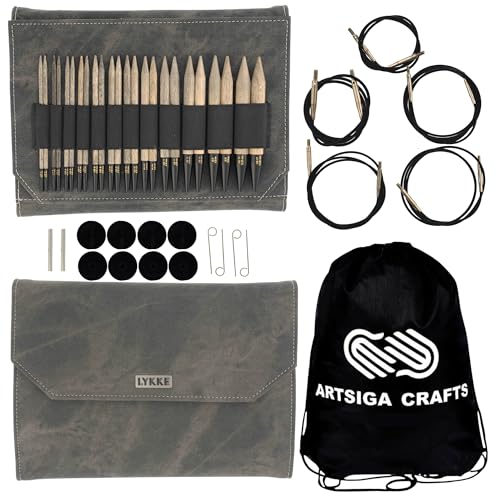
The wood provides a gentle, controlled grip that keeps your stitches from flying off the needle while you focus on your tension. Because they are wood, they are also lightweight and feel warmer to the touch, which can be a relief for knitters who suffer from cold hands or arthritis.
The trade-off here is durability; wood needles can snap if they are sat upon or if you are an incredibly tight knitter who applies significant pressure. Always keep a spare tip or two in your notions bag just in case, and treat them with the care you would give a fine wooden tool.
HiyaHiya Sharp Steel: Ideal for Intricate Lace
HiyaHiya Sharp tips are the go-to for knitters who prioritize speed and precision above all else. They are hollow, making them significantly lighter than the solid ChiaoGoo stainless steel tips, which reduces wrist fatigue during marathon knitting sessions.
The points are exceptionally fine, allowing you to get into tight spaces with ease, such as when working a K3tog (knit three together) or performing complex brioche decreases. The finish is highly polished, providing a seamless transition between the needle and the cable.
Because they are so sharp, they are not the best choice for beginners who are still learning to manage their stitch tension. If you are a "poker" who uses your fingers to push the needle, these tips can eventually feel quite sharp, so consider your personal knitting mechanics before committing to a full set.
Addi Click Rocket: The Best Quick-Change System
The Addi Click system is legendary for its patented click-in, click-out mechanism that requires no tools or keys to secure. If you are the type of knitter who frequently changes cable lengths mid-project or switches needle sizes often, this system is a total game-changer.
The Rocket tips are plated brass, which makes them incredibly smooth and fast, yet they have a slightly more rounded tip than the ultra-sharp lace needles. This makes them a versatile "all-rounder" that handles everything from bulky sweaters to delicate fingering-weight projects well.
One thing to note is that the nickel plating can wear down over many years of heavy use, revealing the brass underneath. While this doesn’t affect the performance, some knitters with severe nickel allergies should opt for the Addi Natura or Olive wood lines instead.
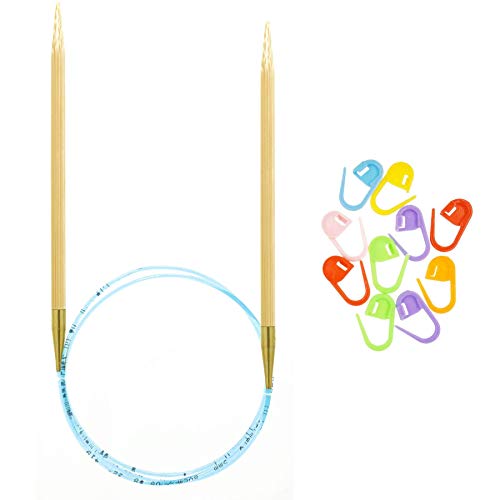
KnitPicks Options Nickel: Best Value for Money
KnitPicks Options Nickel needles are widely considered the best entry point for knitters looking to transition from fixed needles to an interchangeable system. They offer a smooth, plated surface that feels very similar to more expensive brands at a fraction of the cost.
These needles have a moderate point that is sharp enough for most lace work but not so pointed that it pierces your skin during long sessions. They are excellent for those who are still experimenting with their preferred needle material and don’t want to invest hundreds of dollars upfront.
Keep in mind that the join between the needle and the cable can sometimes feel less seamless than on premium brands. If you find your yarn snagging, a quick wipe of the join with a bit of wax can often smooth out the transition.
Seeknit Koshitsu: Premium Japanese Bamboo Bamboo
Seeknit Koshitsu needles undergo a high-pressure, high-heat treatment process that makes the bamboo incredibly dense and smooth. Unlike standard bamboo, which can feel "fuzzy" or grabby over time, these remain polished and resistant to moisture.
They offer a natural, tactile experience that is unmatched by synthetic materials. If you are knitting with delicate, slippery fibers like cashmere or high-twist alpaca, the gentle friction of the Koshitsu bamboo will help you maintain even tension without the yarn slipping away.
Because they are bamboo, they are flexible. If you tend to knit very tightly, you might notice the needles bending slightly under the pressure of your stitches. This is normal for natural materials and usually doesn’t impact the gauge, but it is a distinct feeling compared to the rigid nature of steel.
Lantern Moon Ebony: Luxury Feel and Performance
Lantern Moon Ebony needles are the pinnacle of luxury, crafted from dark, dense ebony wood that is polished to a glass-like finish. They are incredibly smooth, offering a feel that sits right between the grip of wood and the speed of metal.

These needles are exceptionally beautiful and feel substantial in the hand, making every project feel like a special occasion. They are particularly well-suited for knitters who want a premium tool that is both functional and aesthetically pleasing.
The trade-off is the price point; these are an investment piece. Because they are a natural, high-end material, they require a bit of maintenance, such as occasional light buffing with a soft cloth to keep them shiny and smooth.
How to Ensure Secure Needle and Cable Joints
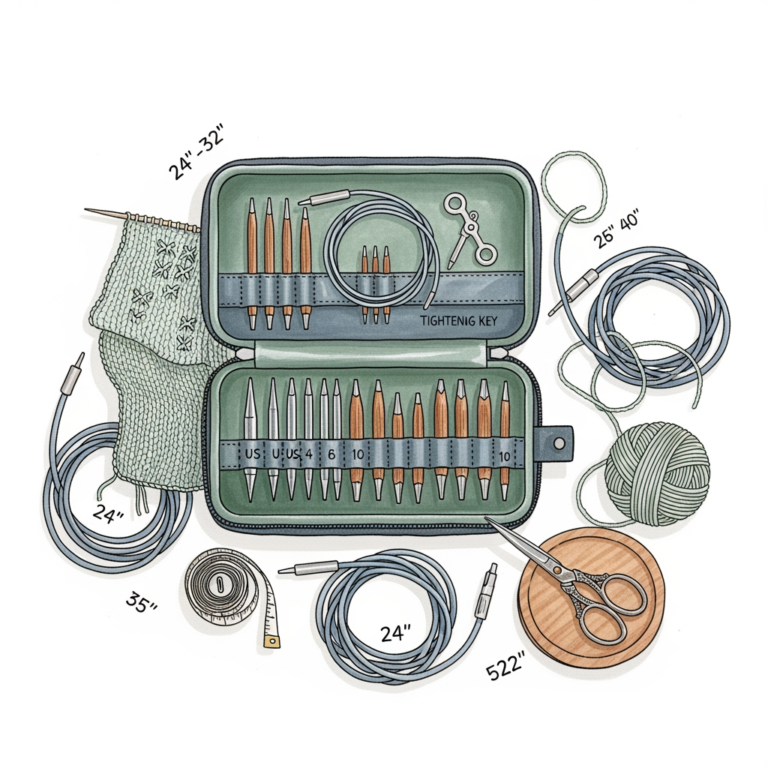
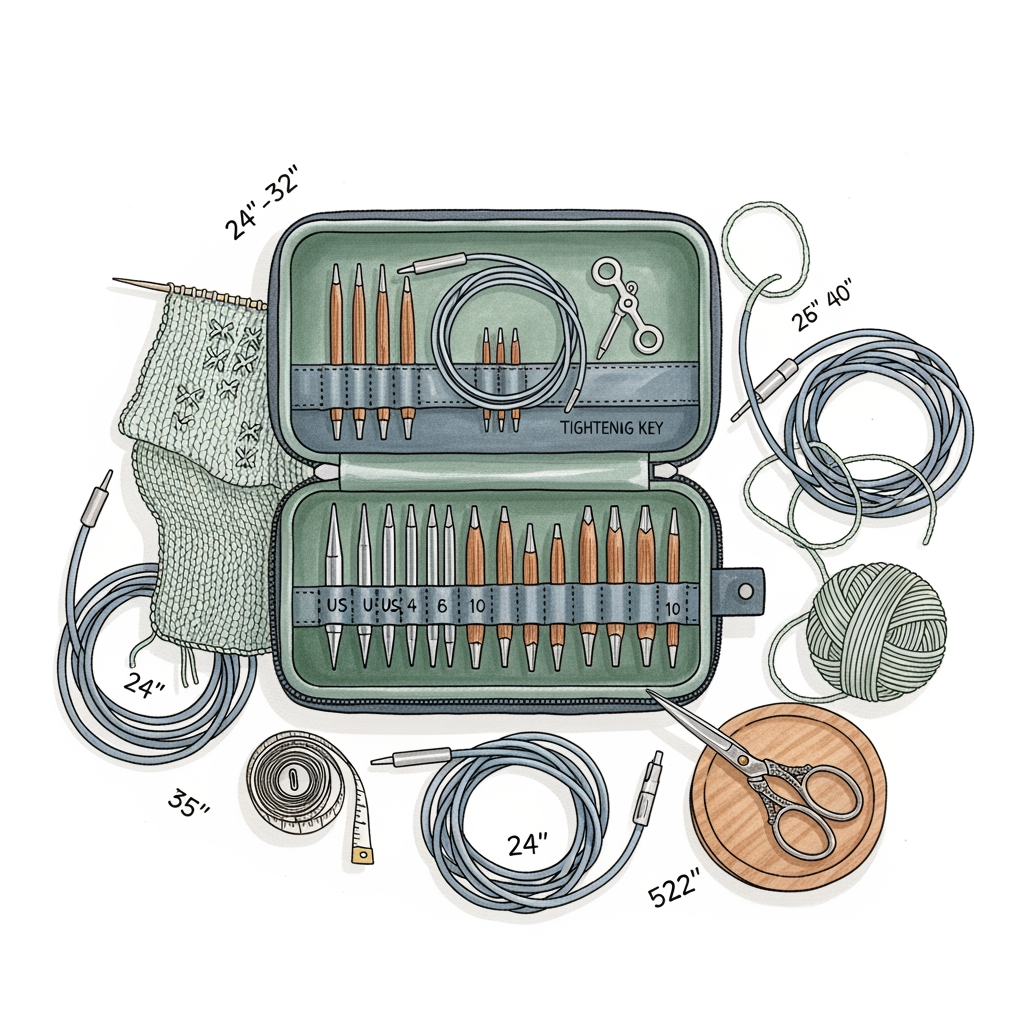
The most common frustration with interchangeable sets is the cable unscrewing during a project. To prevent this, always use the tightening key provided with your set to leverage the cable into the needle body.
Never rely on hand-tightening alone, as the rotation of the needles during knitting will naturally work the connection loose. If you find the connection still loosens, a small rubber gripper pad can provide the extra friction needed to get that final, secure turn.
Check your joints every time you pick up your knitting. A quick "twist check" before you start a row will save you from the heartbreak of a cable detaching mid-row and dropping a dozen stitches.
Matching Tip Materials to Your Knitting Style
Your choice of needle material should be dictated by both the yarn you are using and your own knitting tension. If you are a tight knitter, a slick metal needle can help you work faster, while a grippy wooden needle might actually make it harder to move your stitches.
- Slick Metal: Best for sticky, fuzzy yarns like mohair or wool-alpaca blends.
- Grippy Wood/Bamboo: Best for slippery yarns like silk, cotton, or superwash wool.
- Moderate/Polished Wood: The perfect middle ground for general, everyday knitting.
If you are struggling with your gauge, don’t just blame the pattern. Try switching your needle material; sometimes, moving from a slick metal to a wooden needle can help you slow down and achieve more consistent, even stitches.
Maintaining Your Interchangeable Needle Tips
Treat your interchangeable needles as precision instruments rather than just disposable tools. Store them in their dedicated cases to prevent the tips from getting nicked or damaged, which can snag your yarn later on.
For metal needles, a quick wipe with a soft, lint-free cloth will remove hand oils and keep them gliding smoothly. For wooden needles, avoid getting them wet and keep them away from direct heat sources, which can cause the wood to warp or crack over time.
If you notice a burr or a rough patch developing on a needle, don’t throw it away. A very fine-grit emery board or a piece of high-grit sandpaper can often buff the spot back to its original, smooth glory.
Choosing an interchangeable needle set is a deeply personal decision that balances your physical comfort with the demands of your favorite fibers. By understanding how different materials and point profiles interact with your unique tension, you can curate a toolkit that makes every stitch a pleasure. Remember that there is no single "best" needle, only the best needle for the project currently on your needles. Happy knitting, and enjoy the process of finding your perfect pair.