6 Best Reference Books For Sock Construction
Master sock knitting with our top six reference books. These guides cover essential heels, toes, and gussets, helping you perfect your fit and technique today.
Knitting your first pair of socks is a rite of passage that transforms a ball of yarn into a functional, wearable masterpiece. With so many construction methods and fit variables, having a reliable library of reference books is the secret to moving from "lucky fit" to "perfect fit." Whether you are struggling with heel turns or looking to master custom sizing, these six books offer the technical foundation you need. Here is a curated guide to the best resources for building your sock-knitting expertise.
Sensational Knitted Socks by Charlene Schurch


Charlene Schurch’s work is the definitive encyclopedia for the sock knitter who wants to understand the "why" behind the stitch. This book moves beyond simple patterns to explain the math and mechanics of sock construction across various gauges.
If you have ever felt frustrated by a pattern that didn’t fit your specific foot shape, this book provides the modular components to fix it. It is particularly brilliant for those who prefer to mix and match stitch patterns with different heel and toe styles.
The bottom line is that this book is a masterclass in customization. It’s the perfect resource for the knitter who wants to move away from rigid patterns and start designing their own custom footwear.
Custom Socks by Kate Atherley: The Gold Standard
Kate Atherley approaches sock knitting with the precision of a technician and the heart of a teacher. This book is widely considered the gold standard because it prioritizes the human foot over the pattern itself.
Rather than just providing recipes, Atherley teaches you how to measure your foot and calculate the exact stitch counts for a bespoke fit. If you are tired of "one size fits all" socks that bag at the ankle or pinch at the instep, this is your new bible.
The real value here lies in the comprehensive fit tutorials. If you are willing to spend an hour with a measuring tape and a calculator, this book will save you from years of ill-fitting knitting.
Sock Architecture by Lara Neel for Fit Mastery
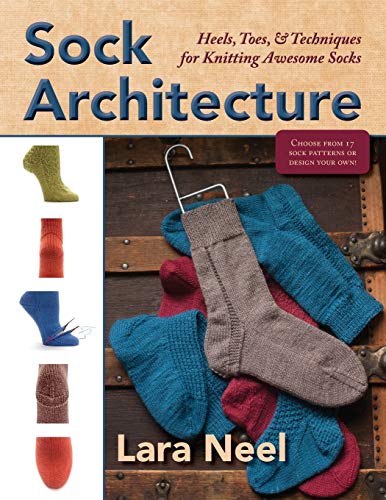
Lara Neel treats sock construction like an engineering project, breaking down the anatomy of the foot into distinct zones. This book is for the knitter who wants to understand how different heel and toe shapes affect the tension and wear of the finished sock.
Many knitters struggle because they don’t realize that a high instep requires a different gusset depth than a low one. Neel’s diagrams and explanations make these complex structural changes feel intuitive rather than intimidating.
Use this book when you are ready to graduate from basic patterns to structural problem-solving. It is an essential reference for knitters who find that their heels always wear out too quickly or feel uncomfortable.
The Sock Knitter’s Handbook by Beth Parrott

This book is the ultimate troubleshooting guide for the common pitfalls that plague every sock knitter. From laddering between needles to accidental holes at the heel pick-up, Parrott addresses the "oops" moments with clear, actionable solutions.
It is less of a pattern book and more of a technical support manual. If you find yourself constantly searching online forums for help, keep this book on your nightstand instead.
The best advice in this book centers on the importance of the "pick-up" technique. It turns what is often the most dreaded part of sock knitting into a simple, polished process that results in a professional-looking finish.
Getting Started Knitting Socks by Ann Budd

Ann Budd has a gift for stripping away the noise and presenting the core essentials of a craft. This book is, without question, the best starting point for a brand-new sock knitter who feels overwhelmed by the options.
She focuses on the most reliable, time-tested methods that guarantee a successful first pair. If you are intimidated by double-pointed needles or the "magic loop" method, Budd’s clear, step-by-step instructions will calm your nerves.
The takeaway here is simplicity and success. Start with this book to build your confidence, then move on to the more advanced architectural volumes once you have a few pairs under your belt.
Knitting Socks with Handpainted Yarns by Carol Sulcoski

Handpainted yarns are beautiful in the skein, but they can create "pooling" or "flashing" that hides stitch detail on a finished sock. Carol Sulcoski provides the necessary strategies to ensure your expensive, variegated yarns look as good on your feet as they do in the shop.
This book tackles the specific challenges of working with delicate, hand-dyed fibers that might not have the same consistency as commercial mill-spun yarns. She explains how to balance complex colors with simple, effective stitch patterns.
If you are a fan of indie dyers, this book is essential for avoiding disappointment. It teaches you how to match the yarn’s character to the construction method, ensuring your hard work isn’t lost in a mess of color.
How to Choose the Perfect Sock Construction Method
The choice between cuff-down and toe-up construction is often a matter of personal preference, but it also dictates how you manage your yarn supply. Cuff-down allows for traditional heel flaps, while toe-up is ideal for using every last meter of a precious skein.
Consider these factors when deciding:
- Cuff-down: Easier to try on as you go, but requires kitchener stitch at the toe.
- Toe-up: Great for adjusting length exactly, but requires a reliable "afterthought" or short-row heel.
- Needle preference: Magic loop works well for both, but double-pointed needles can be easier to manage for beginners during heel turns.
If you are a beginner, start with cuff-down. It allows you to master the heel flap before you have to worry about the more complex grafting required for a toe-up finish.
Understanding Heel Flaps vs Short Row Heel Styles
The heel is the most high-wear area of any sock and the most common point of failure. A heel flap and gusset provide a sturdy, reinforced structure that fits a wide range of foot shapes, making it the most reliable choice for everyday socks.
Short-row heels, conversely, are sleek and modern, lacking the "extra" fabric of a gusset. They are excellent for variegated yarns where you don’t want to break up the color flow, but they can be tight on those with a high instep.
The rule of thumb: Use a heel flap if you need durability and a forgiving fit. Choose a short-row heel if you are knitting a decorative, low-impact sock or working with a yarn that requires a seamless aesthetic.
Essential Fiber Blends for Durable Sock Knitting
Pure wool is soft, but it rarely survives the friction of a shoe for long. To ensure your socks last, you need a blend that incorporates synthetic fibers for strength and elasticity.
Look for these key components on your yarn label:
- Superwash Wool: Essential for easy care, though it can grow slightly when wet.
- Nylon/Polyamide: The "secret sauce" for durability; 20-25% is the gold standard for high-wear areas.
- Silk or Mohair: Adds luxury and luster but reduces the overall elasticity of the sock.
If you choose a 100% wool yarn, be prepared to reinforce the heels and toes with a strand of nylon "sock reinforcement" thread. Otherwise, expect to spend your evenings darning holes within the first few months of wear.
Troubleshooting Common Sock Fit Issues and Sizing
Fit issues usually stem from a mismatch between your gauge and the pattern’s intended ease. If your socks feel too loose, you are likely knitting with too much positive ease; if they are tight, you lack the necessary "negative ease" required for a sock to cling to the foot.
Always knit a swatch in the round, not flat. Knitting flat creates a different tension profile than the continuous spiral of a sock, which can lead to a disastrously loose finished garment.
Final troubleshooting tip: If your socks are constantly sliding down, your ribbing might be too loose or your calf circumference is too large. Don’t be afraid to decrease your stitch count slightly at the ankle to ensure the sock stays put.
Sock knitting is a journey of constant refinement where every pair teaches you something new about your own tension and foot shape. By utilizing these six references, you can move past common mistakes and build a library of techniques that suit your unique style. Remember that the "perfect" sock is simply the one that fits you best, not the one that follows the most complex pattern. Happy knitting, and may your heels always be sturdy and your toes perfectly grafted.