6 Best Spray Bottles For Mordant Application Tested
We tested six spray bottles for applying mordants. Discover which models offer the best precision, durability, and chemical resistance for your textile crafts.
Achieving consistent color in natural dyeing starts long before the dyepot, often beginning with the precise application of mordants to your fibers. Whether you are prepping wool for a complex tapestry or setting indigo on cotton, the tool you use to distribute your chemicals matters immensely. After years of working with various fibers, I have found that the right sprayer can be the difference between a patchy, uneven result and a professional-grade finish. Here are the top sprayers that stand up to the rigors of the studio.
Flairosol Fine Mist: The Best Overall Sprayer
The Flairosol is a game-changer for those of us who need a consistent, cloud-like mist. Unlike standard trigger sprayers that sputter, this bottle uses a mechanical pre-compression engine to provide a long, steady spray.
When you are working with delicate protein fibers like silk or fine mohair, you cannot afford large droplets that might soak through unevenly. This sprayer ensures the mordant lands as a fine, uniform veil, which is critical for preventing "spotting" on fibers that are particularly sensitive to liquid concentration.
The main tradeoff here is the maintenance; because the mechanism is sophisticated, it can clog if your mordant solution has any sediment or impurities. Always filter your dissolved mordants through a fine cloth before filling this bottle.
Chapin 20000 Poly Lawn Sprayer: Best Capacity


When you are planning a large-scale project—perhaps dyeing enough hand-spun wool for a full sweater—a tiny handheld bottle will only lead to hand fatigue. The Chapin 20000 is a pump-style sprayer that holds a significant volume, allowing you to work through a large batch of fiber without stopping to refill.
This tool is ideal for "surface mordanting" large skeins laid out on a rack. Because it is a pressurized system, you get a very consistent flow rate that doesn’t rely on your hand strength, which saves your joints for the actual knitting later.
Be aware that this is a heavy-duty tool, and you must rinse it thoroughly after every session. If you leave acidic mordants like alum sitting in the tank, the internal seals will degrade over time, leading to leaks.
Tolco 320 Spray Bottle: Best Precision Nozzle
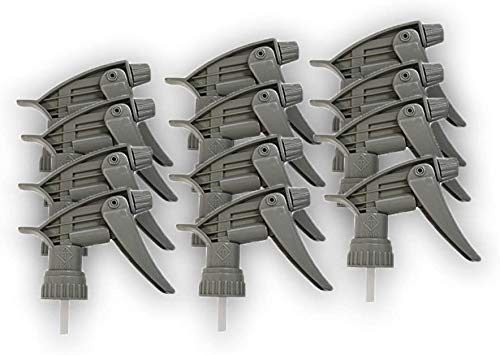
The Tolco 320 is the workhorse of the professional dyeing studio for a reason: it is simple, reliable, and features an adjustable nozzle that actually holds its setting. If you need to switch from a wide-angle mist to a concentrated stream for spot-treating a difficult section of fiber, this bottle handles it with ease.
I find this particularly useful when I am working with high-twist yarns that have a tendency to repel liquid. Being able to adjust the droplet size allows you to "force" the mordant into the twist of the yarn without soaking the entire skein unnecessarily.
While it lacks the fancy technology of continuous misters, its durability is unmatched. It is the tool I reach for when I am mixing a fresh, potentially reactive mordant and don’t want to risk clogging a more expensive, delicate sprayer.
Zep Professional Sprayer: Best Heavy Duty Pick

If you are working with harsh chemicals or concentrated mordant stocks, the Zep Professional is built to survive. These bottles are designed for industrial cleaning, meaning the chemical-resistant seals are far superior to what you find in a standard garden center sprayer.
When you are dealing with mordants that have a low pH, standard plastic bottles can become brittle and crack after a few months. The Zep is engineered to withstand these conditions, providing a level of reliability that protects your studio floor from leaks.
The spray pattern is robust and powerful, which is great for thicker, high-ply yarns that need a deep soak. It is not the best choice for delicate lace-weight fibers, as the output can be a bit aggressive.
Sally’s Organics Glass Bottle: Best Eco Choice
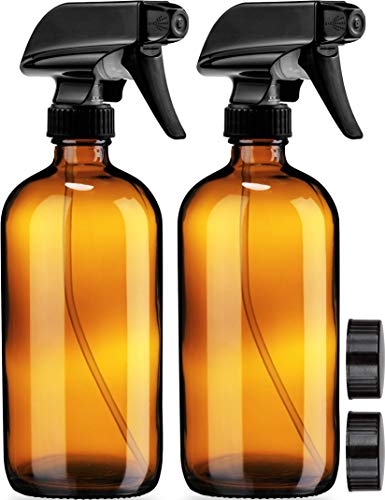
Many dyers prefer glass because it is non-reactive and easy to sanitize between different types of mordants. Sally’s Organics offers a high-quality glass vessel that ensures no plastic chemicals leach into your mordant solutions, which is a major benefit when working with natural materials.
Glass is also much easier to clean thoroughly. If you switch between iron-based mordants and alum, you want a container that won’t hold onto residual particles that could unintentionally shift your final color.
The obvious downside is the risk of breakage in a busy studio environment. I recommend using a silicone sleeve or keeping this bottle in a dedicated, padded area of your workbench to prevent accidents.
B06 Continuous Mist Bottle: Best For Evenness

The B06 is similar to the Flairosol in its delivery, offering a continuous, aerosol-like mist without the use of harmful propellants. For the knitter who is mordanting a finished garment or a delicate hand-woven piece, this is the gold standard for avoiding watermarks.
Evenness is the primary goal when applying mordants to finished goods. A heavy, uneven application will lead to darker and lighter patches once the fiber is dyed, which is a tragedy after you have spent weeks at the loom or the needles.
This bottle gives you the control to build up moisture slowly. Take your time, spray in light layers, and allow the fibers to absorb the liquid before adding more to ensure a perfectly uniform base for your dye.
Understanding Mordant Application Techniques
Mordant application isn’t just about wetting the fiber; it’s about penetration and saturation. Whether you are using a spray-on method or a full soak, the goal is to ensure the metal ions attach to the fiber molecules evenly.
When spraying, always work in a well-ventilated area and lay your fiber flat. If you are mordanting a skein, flip it halfway through the process to ensure the underside receives an equal amount of solution.
Remember that different fibers have different absorption rates. A superwash wool will absorb liquid almost instantly, while a raw, untreated wool with a high lanolin content will resist moisture, requiring a more patient, layered approach.
Why Spray Quality Impacts Your Natural Dyeing
The quality of your spray directly correlates to the quality of your dye job. A poor-quality sprayer that spits large droplets will cause "pooling," where too much mordant concentrates in one spot, leading to darker, blotchy areas in your finished yarn.
Think of it like applying a finish to a wooden table; you want a light, even coat, not a puddle. If you are working with delicate colors—like soft yellows from weld or pale pinks from madder—any unevenness in the mordant will be glaringly obvious.
Invest in a sprayer that provides a fine, consistent mist to ensure your dye uptake is uniform. It is a small investment that prevents the frustration of having to over-dye or discard a batch of yarn that didn’t take color correctly.
Proper Safety Protocols for Mordant Handling
Mordants, even the "safer" ones like alum, are chemicals and should be treated with respect. Always wear gloves when handling your spray bottles, as you don’t want these substances on your skin or, subsequently, on your knitting needles or project bags.
Never use a spray bottle that has been used for household cleaning for your mordant application. Label your bottles clearly and store them in a dedicated cabinet, away from food preparation areas and out of reach of children or pets.
If you are spraying, consider wearing a basic dust mask or respirator, especially if you are working with powdered mordants that can become airborne. Breathing in fine mists of metal salts is not something you want to do in your craft room.
How to Maintain Your Spray Bottles for Longevity
The life of your spray bottle is dictated by how you treat it after the work is done. Never store your bottles with mordant solution left inside, as the chemicals can crystallize and permanently clog the nozzle or degrade the internal gaskets.
After every dyeing session, flush the system with clean, warm water. Pump it through until the water runs completely clear, then spray a few times into the air to clear the internal tube of any remaining liquid.
If you notice the spray pattern becoming erratic, soak the nozzle assembly in a weak vinegar solution to dissolve any mineral buildup. A little bit of routine maintenance will keep these tools working for years, ensuring your dyeing process remains as smooth as your knitting.
Choosing the right spray bottle is a small but vital step in mastering the art of natural dyeing. By selecting a tool that matches the scale and sensitivity of your fiber, you set yourself up for consistent, beautiful color results. Remember that the best tool is one that is clean, reliable, and suited to your specific studio workflow. Happy dyeing, and may your colors be as vibrant as your stitches.