
7 Best Wool Combs For Refreshing Worn Items To Try
Revive your favorite knitwear with our top 7 wool combs. These essential tools effectively remove pilling, restoring a smooth, refreshed look to worn items.
Every knitter knows the heartbreak of pulling a favorite hand-knit sweater from the drawer only to find it covered in unsightly, friction-induced pills. While pilling is often a natural byproduct of fiber abrasion, it doesn’t mean your hard work is ruined or ready for the rag bag. With the right tools and a gentle hand, you can restore the smooth, crisp stitch definition that made you fall in love with the project in the first place. This guide explores the best ways to refresh your knitwear, ensuring your garments stay beautiful for years to come.
Gleener Ultimate Fuzz Remover: Best Overall Pick
The Gleener is a unique hybrid tool because it doesn’t rely on electricity, giving you complete tactile control over the pressure applied to your yarn. It features three interchangeable edges designed for different fiber weights, from delicate cashmere to heavy, rustic wools.
In my experience, manual tools are superior for heirloom pieces because you can feel exactly when the comb catches a snag. If you are working with a hand-dyed, loosely spun yarn, the ability to stop instantly when you feel resistance is a game-changer.
The bottom line is that the Gleener offers the most versatility for a diverse yarn stash. It is the safest bet for someone who knits with a wide range of fibers, from delicate alpaca blends to sturdy, high-twist wools.
Conair Fabric Shaver: Best Budget-Friendly Tool


This classic battery-operated shaver is a staple in many sewing rooms for a reason. It is straightforward, inexpensive, and gets the job done on basic, tightly spun, or synthetic-blend garments.
Because it uses a rotating blade behind a metal screen, it is best suited for sturdier yarns that aren’t prone to snagging. I would avoid using this on loose, mohair-heavy, or hand-spun yarns, as the suction can sometimes pull fibers through the screen and cause unnecessary damage.
If you have a collection of store-bought sweaters or simple, tight-gauge acrylic knits, this tool is perfectly adequate. It’s an excellent entry-level option, provided you use it with a light touch.
Philips Fabric Shaver: Best for Delicate Knits
The Philips model stands out because of its precision-engineered blade height, which does an excellent job of removing pills without shaving the surface of the yarn too deeply. It feels more refined than many generic shavers on the market.
When dealing with delicate knits—like a fingering-weight shawl or a fine merino sweater—you want a tool that respects the integrity of the stitch. This shaver moves smoothly over the fabric, reducing the risk of creating "bald spots" on your precious hand-knit items.
Always remember to lay your garment flat on a hard surface before using this. If you try to shave a sweater while it’s draped over your body or a soft pillow, you risk the fabric sagging into the blades and cutting the yarn.
Uproot Cleaner Pro: Best for Removing Pet Hair

While technically designed for lint and fur, the Uproot Cleaner is a surprisingly effective tool for refreshing the surface of heavy-duty, felted, or dense wool items. It uses a metal edge to scrape debris rather than a blade to cut it.
If you share your home with pets, you know that fur weaves itself into the fiber structure of wool, making it look dull and worn. This tool pulls that trapped fur and surface fuzz away without the risk of shearing the actual yarn plies.
Use this cautiously on anything with a delicate halo, like angora or mohair. It is much more aggressive than a standard shaver, so it is best reserved for heavy-weight sweaters or blankets that can handle a bit of friction.
Bymore Electric Lint Remover: Best Large Surface
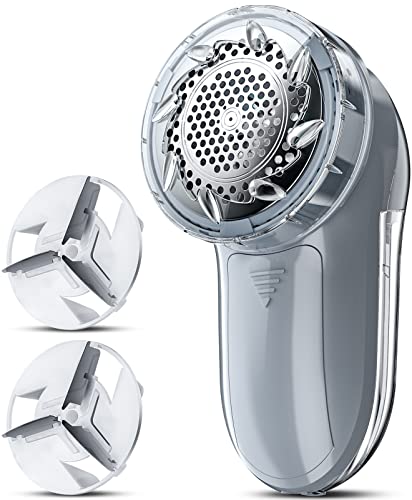
When you have a massive project, like a king-sized knitted blanket or a long duster coat, you need a tool with a wide head and a high-capacity lint bin. The Bymore is designed to cover large areas quickly without needing constant emptying.
The wide surface area allows you to work in long, sweeping motions, which helps maintain a consistent texture across the entire garment. It’s a real time-saver when you’re prepping a sweater for a craft fair or gift-giving.
Just be aware that with larger tools, it is easy to become complacent. Even when covering a large surface, stay mindful of the seams and cables, where the fabric is naturally thicker and more prone to catching on the blades.
Evercare Fabric Shaver: Best for Quick Repairs

The Evercare is a compact, no-nonsense tool that is perfect for keeping in your knitting bag for on-the-go maintenance. It’s small enough to tuck away but powerful enough to handle a few stubborn pills before you head out the door.
I often recommend this for knitters who are currently working on a long-term project. It’s great for cleaning up the cuffs and underarms of a sweater you’ve been wearing while you work on the rest of the garment.
It is not a heavy-duty tool, so don’t expect it to revive a completely matted, neglected sweater. Think of it as a maintenance tool rather than a restoration tool.
Beautural Lint Remover: Best Ergonomic Design
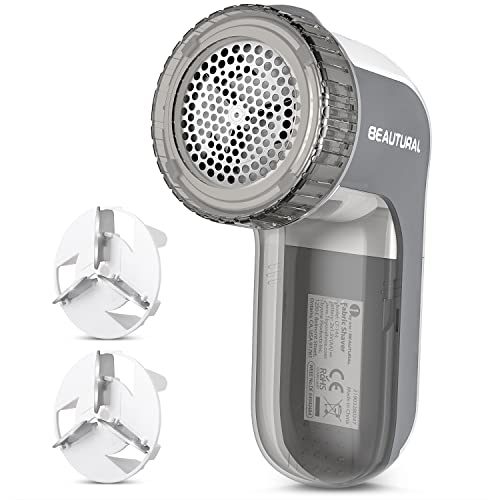
The Beautural model features a comfortable handle that makes it easier to use for long periods without hand fatigue. If you have arthritis or find holding small, boxy shavers difficult, the shape of this tool will be a welcome relief.
Ergonomics are often overlooked in knitting tools, but comfort is essential for longevity in our hobby. If your hands are already tired from a day of cabling or lace work, you don’t want a tool that adds unnecessary strain.
This model also comes with adjustable height settings, which is a key feature for varying yarn weights. Being able to adjust the distance between the blade and the fabric is the best way to prevent damaging your hard-earned stitches.
How to Choose the Right Comb for Your Knitwear
Choosing the right tool depends entirely on the fiber content and the construction of your knit. A tightly twisted, smooth-plied wool will react very differently to a shaver than a fuzzy, brushed alpaca.
- For delicate/fuzzy fibers: Use a manual comb or a tool with a protective guard to avoid stripping the halo.
- For tight, smooth yarns: An electric shaver with a metal screen is usually safe and effective.
- For heavy, dense knits: A wider head or a scraping tool can handle the volume of pills.
Always perform a "patch test" on a hidden area, such as the inside of a hem or an underarm gusset. If the tool leaves the yarn looking fuzzy or thin, stop immediately and choose a gentler method.
Understanding Fabric Pilling and Fiber Types
Pilling occurs when short fibers work their way to the surface of the yarn and tangle into little balls due to friction. It is most common in soft, short-staple fibers like cashmere or lower-grade wools.
- Superwash Wool: Often more prone to pilling because the scales of the fiber have been removed or coated, making the fibers slide more easily.
- High-Twist Yarns: Generally resist pilling better because the fibers are locked tightly together.
- Synthetic Blends: Can be stubborn because the strong synthetic fibers hold onto the pills, preventing them from falling off naturally.
Remember that pilling is not necessarily a sign of poor quality. Many of the softest, most luxurious fibers are the most prone to pilling simply because of their delicate, short-staple nature.
Expert Tips for Safely Defuzzing Your Sweaters
The most important rule of garment care is to work in a well-lit area where you can see the texture of the stitches clearly. Never rush the process, as the most common cause of "knitting accidents" is a moment of distraction.
Always lay your garment perfectly flat on a firm surface, such as a table or a blocking board. If you shave over a fold or a seam, you are significantly more likely to catch a loop of yarn and create a hole.
If you do accidentally create a small snag, don’t panic. Use a blunt-tipped tapestry needle to gently pull the snagged yarn back through to the inside of the garment, then secure it with a tiny knot or by weaving it into the back of the stitches.
Maintaining your knitwear is just as important as the actual act of knitting, as it honors the time and effort you put into every stitch. By choosing the right tool for your specific fiber and using it with patience and care, you can keep your hand-knits looking fresh for years. Remember that a little bit of regular maintenance goes a long way in preventing major pilling issues. Happy knitting, and may your favorite sweaters always look as good as the day you bound them off.
