6 Best Project Boxes For Storing Felting Supplies
Organizing felting supplies is key to a smooth workflow. We review the 6 best project boxes to keep your wool, needles, and tools secure, tidy, and accessible.
Needle felting is a tactile, meditative craft that quickly accumulates a surprising number of small, sharp, and delicate components. From fine-gauge needles that snap if looked at wrong to delicate wisps of dyed wool, your supplies require more than just a junk drawer to stay organized. Finding the right storage solution is the difference between starting a project with joy and spending twenty minutes hunting for a needle that rolled under your sofa. These six storage options are curated to keep your fiber workspace as tidy as your tension.
ArtBin Super Satchel: Best Overall Storage Choice
The ArtBin Super Satchel is the workhorse of the fiber arts world, offering a depth that is hard to beat for bulkier felting projects. Its generous internal dimensions allow you to store foam blocks, multi-needle tools, and several bags of roving in one consolidated location.
The primary advantage here is the stackability. When you are working on a massive 3D sculpture, you don’t want your materials spread across three different rooms; the Super Satchel lets you keep your entire "kit" in a single, secure footprint.
However, be mindful that the sheer size can lead to a "black hole" effect where small items migrate to the bottom corners. I recommend using smaller zippered pouches inside the satchel to keep your tiny needle-felting accessories from getting lost in the shuffle.
Iris USA Craft Case: Top Pick for Small Supplies


If you are the type of felter who loves collecting every color of Corriedale or Merino roving available, the Iris USA Craft Case is your best friend. These cases are thin, clear, and perfectly sized for organizing small bundles of fiber by color palette.
Because they are transparent, you can see exactly which shades you have on hand without opening a single lid. This is invaluable when you are trying to match a specific hue for a subtle color transition in a landscape felting project.
The trade-off is the height restriction; you won’t be fitting your large density foam pads in here. Think of these as your "palette" storage, reserved for roving and specialized detail tools rather than heavy-duty equipment.
Creative Options Pro-Latch: Best Modular Organizer
Modular storage is a lifesaver when your felting interests shift from small ornaments to larger, intricate dolls. The Creative Options Pro-Latch system features adjustable dividers that let you customize the compartment sizes to fit your specific tool collection.
I particularly like this for keeping different needle gauges separated. You can dedicate one long row to your coarse needles and another to your fine finishing needles, preventing the common frustration of accidentally grabbing the wrong gauge mid-project.

The latches are notably secure, which is a major plus if you ever transport your supplies to a local knitting group or class. Just ensure you don’t over-stuff the compartments, as the plastic dividers can occasionally pop out if they are under too much tension from bulky wool.
Sterilite 6-Quart Box: Most Budget-Friendly Pick

Sometimes, the simplest solution is the most effective. The humble 6-quart Sterilite box is an inexpensive, reliable way to keep your wool clean and dust-free.
Fiber arts are notorious for attracting stray pet hair and household dust, which can ruin a pristine white wool project. These boxes provide a solid seal that keeps your roving clean, even if you store your supplies in a basement or craft closet.
The downside is the lack of internal organization. To make this work, you must be disciplined about using smaller bins or bags inside the box, otherwise, you will be digging through a chaotic pile of fiber every time you need a specific color.
Plano Molding Tackle Box: Best for Needle Sorting

Don’t be afraid to look at the fishing aisle for your felting needs. A tackle box with a cantilever tray system is essentially a high-end organizer for your needles, finger guards, and awls.
The beauty of this design is that it elevates your tools as you open the lid. You can see your entire needle collection at a glance, making it easy to spot which ones are getting dull or need to be replaced.
The only drawback is the plastic quality; some cheaper tackle boxes have brittle hinges. Look for a model with reinforced hinges, as you will likely be opening and closing this box every time you sit down to felt.
Bead Storage Solutions Box: Best for Wool Roving

While designed for beads, these small, individual containers are perfect for storing small amounts of specialty wool roving. If you work with expensive, rare fibers like angora or hand-dyed locks, you want them protected and easily accessible.
Using these individual pods keeps your fibers from tangling or felting together prematurely. It also allows you to pull out only the colors you need for a specific project, keeping the rest of your stash safe from accidental spills or humidity.
The small size is a limitation if you buy your wool in bulk, but for detail work, it is unparalleled. It turns your workspace into a professional-looking library of color and texture.
Key Features to Look for in Felting Storage Boxes
- Transparency: Being able to see your materials without opening the container saves time and prevents unnecessary handling of fibers.
- Security: Ensure the latches are robust; there is nothing worse than a box popping open and scattering needles across the floor.
- Modular Capability: Your needs will grow as your skills improve, so prioritize boxes that allow you to adjust compartments.
- Material Quality: Look for smooth, snag-free plastic that won’t catch on your delicate wool fibers or fray them.
How to Organize Wool Roving to Prevent Matting
Wool roving is essentially fiber that has been carded but not yet spun or felted; it is highly susceptible to unwanted matting. Always store your wool in a cool, dry place away from direct sunlight, which can fade dyed colors over time.
Avoid cramming too much fiber into a single container. When wool is compressed for long periods, the scales on the fibers can begin to interlock, leading to a "felted" texture that makes it much harder to work with your needles.
If you have a large stash, consider using acid-free tissue paper between layers of roving. This keeps the fibers separated and prevents them from picking up oils or debris from the storage container itself.

Essential Felting Tools to Keep in Your Kit
- Felting Needles: A variety of gauges (36 gauge for coarse, 40 for fine, and 42 for finishing).
- Foam Pad or Brush Mat: A sturdy base is required to protect your needles and your table surface.
- Finger Guards: Leather or silicone guards are non-negotiable for beginners to prevent painful stabs.
- Awl: Useful for creating holes in your felted pieces for attaching hanging loops or wire armatures.
Tips for Maintaining Your Felting Needles Safely
Felting needles are incredibly sharp and brittle, and they will snap if you bend them even slightly while working. Always work with the needle entering and exiting at the same angle to avoid lateral stress.
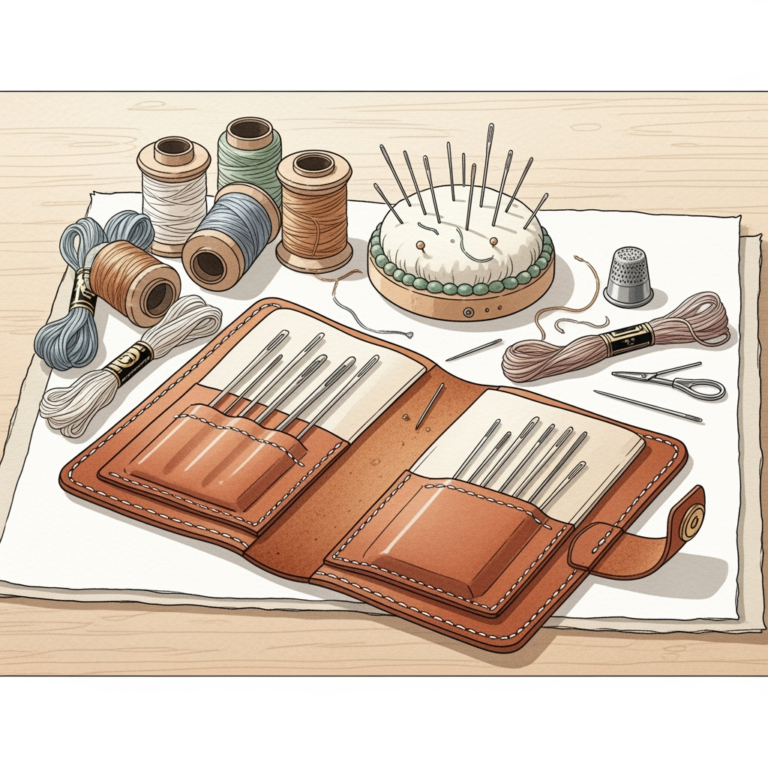
When not in use, store your needles in a dedicated foam block or a magnetic strip inside your storage box. This prevents them from rolling off the table and keeps them from dulling against other metal tools.
Finally, keep a small vial of light machine oil on hand. If you live in a humid climate, a very thin coating of oil on your needles can prevent rust, which is the fastest way to ruin a perfectly good needle.
Investing in the right storage for your felting supplies is not just about tidiness; it is about protecting your investment in high-quality wool and precision tools. Whether you choose a modular tackle box or a simple stackable bin, the goal is to create a system that lets you focus on your craft rather than your clutter. Keep your needles sharp, your roving organized, and your workspace ready for the next creative spark. Happy felting, and may your fibers always interlock exactly as you intend.