6 Best Silicone Needle Grippers For Changing Tips
Struggling with slippery needle tips? Discover the 6 best silicone grippers that offer superior traction, comfort, and precision for effortless tip changes.
Every knitter who has switched to interchangeable needles knows the frustration of a tip unscrewing mid-row. A reliable set of silicone grippers acts as the essential bridge between your hands and the smooth metal or wood of your needle tips. These simple tools provide the necessary friction to secure your cables, ensuring your hard work stays connected. Investing in quality grippers saves you from the heartbreak of dropped stitches and lost progress.
ChiaoGoo Rubber Gripper Hearts: Best Overall Pick
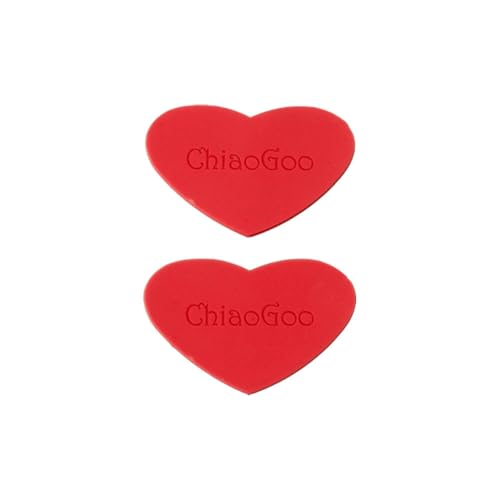

These little hearts are ubiquitous for a reason, and they have become the industry standard for a reason. Their ergonomic shape fits perfectly between the thumb and forefinger, providing just the right amount of surface area to get a firm hold on even the slickest stainless steel tips.
The material is dense enough to resist tearing, even when you are applying significant torque to a stubborn join. Because they are sold in pairs, they allow you to hold the needle tip in one hand and the cable key or connector in the other, creating a balanced, secure grip.
The bottom line is that these are the most reliable tool in the kit. They don’t lose their tackiness over time, and their compact size means you can keep a pair in every project bag you own.
KnitPicks Interchangeable Needle Gripper Pads

KnitPicks grippers are a fantastic, no-nonsense option for the budget-conscious maker. These pads are often slightly thinner than other brands, which makes them excellent for knitters with smaller hands or those who prefer a more tactile feel when changing tips.
They offer a consistent, high-friction surface that works well across various needle materials, from nickel-plated to laminated birch. If you frequently switch between different needle brands, these grippers are versatile enough to handle the varying textures of different join styles.
While they may show wear a bit faster than premium silicone options, their affordability makes them easy to replace. They are a solid "set it and forget it" tool to tuck into your notions tin.
Addi Heart-Shaped Needle Grippers for Tight Tips

Addi needles are famous for their unique "click" system, but that same precision requires a very secure connection. These grippers are designed with a slightly tacky, high-grip silicone that excels at locking in those specific, proprietary joins.
If you find yourself struggling with the twist-and-click mechanism, these grippers provide the extra leverage needed to ensure the joint is fully seated. The heart shape is intentional, offering a wider base to distribute pressure across your fingertips, which is a lifesaver if you have arthritis or limited hand strength.
They are specifically engineered for the Addi system but work perfectly fine on any standard threaded needle. If you prioritize a secure, heavy-duty connection, these are your best bet.
HiyaHiya Rubber Grippers for Secure Connection

HiyaHiya needles are known for their incredibly smooth, tapered tips, which can be notoriously difficult to grip during a swap. These grippers are designed with a specific texture that bites into the metal surface without leaving any residue behind.
The material is slightly more pliable than others, allowing it to wrap partially around the circumference of the needle. This increased contact area is crucial when you are working with very small-diameter needles, such as 2.0mm or 2.25mm sock needles.
For those who knit with slick, high-twist sock yarns, these grippers provide the confidence that your needle won’t slip during a cable change. They are a must-have for the dedicated sock knitter.
Lantern Moon Needle Grippers for Smooth Swaps
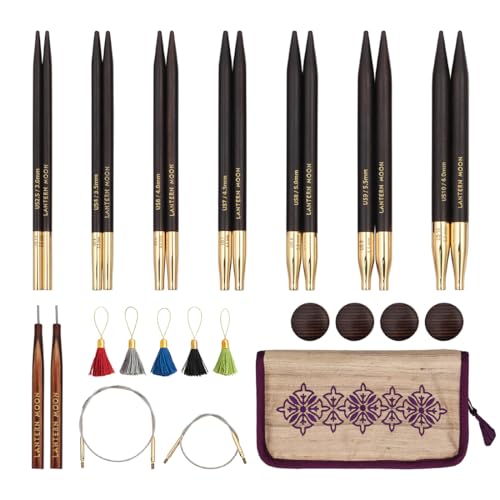
Lantern Moon tools are designed with an aesthetic focus, but their grippers are surprisingly functional and tactile. They feature a unique grip pattern that prevents the tool from sliding out of your hand even if you have lotion or natural oils on your skin.
These grippers are particularly effective for those who use wooden or bamboo needles. Since wood has a natural grain, these grippers provide enough friction to secure the join without damaging the delicate finish of the needle surface.
If you appreciate tools that feel as good as they perform, these are a sophisticated choice. They balance form and function, ensuring your needle changes are as smooth as your knitting.
Knitter’s Pride Silicone Gripping Squares

Sometimes a simple, square design is the most practical solution for a busy knitter. These gripping squares provide a large, flat surface area that is incredibly easy to manipulate, even if you are in the middle of a complex row of lace.
The square shape allows for a more stable grip, as you can fold the corner over the needle to get a "pinch" effect. This is particularly helpful when you are working with needles that have a shorter taper, where there is very little room to get a good hold.
They are durable, easy to clean with a bit of soap and water, and they don’t attract lint like some of the softer, stickier silicone options. They are a reliable, utilitarian choice for any knitter.
Why You Need Grippers for Interchangeable Tips
Interchangeable needles rely on a threaded or locking connection that must be tightened periodically. If the connection is loose, the cable can unscrew, leading to the dreaded "dropped stitch" disaster.
Grippers provide the necessary friction to overcome the natural slipperiness of metal or polished wood. Without them, you are relying on your fingers alone, which often leads to under-tightening or, worse, over-tightening to compensate for the lack of grip.
Using a gripper ensures a flush join, which is essential for preventing your yarn from snagging. A smooth transition between the cable and the needle tip is the secret to fast, snag-free knitting.
How to Properly Use Grippers for Needle Changes
To get the best result, place the gripper pad firmly around the base of the needle tip. Use your other hand to hold the cable connector or the cable itself, then twist firmly until you feel the connection seat completely.
Never use pliers or metal tools to tighten your needles, as these can scratch the needle surface or damage the threads. Silicone grippers are designed to provide maximum friction without causing any physical damage to your expensive needle tips.
Always check your connections before starting a new project, especially if you are working with heavy, bulky yarns. The weight of the project can put extra stress on the join, making a secure connection even more critical.
Common Mistakes When Tightening Needle Cables
The most common mistake is failing to use a cable key when the system requires one. The gripper is for holding the needle, but the cable key is what provides the leverage to tighten the internal threads.
Another mistake is over-tightening. While you want a secure connection, applying excessive force can strip the threads over time, especially on aluminum or soft wood needles.
Finally, many knitters forget to check their joins periodically during long projects. Even with a tight connection, the natural movement of your knitting can cause a slight loosening over many hours of work.
Troubleshooting Stuck Needle Tips and Cables
If you find that your needles are stuck together and won’t budge, don’t panic or reach for a tool box. Use two grippers—one on the needle and one on the cable—to get a better hold and provide a steady, counter-clockwise twist.
If they are still stuck, try placing the needles in the freezer for ten minutes. The cold can cause the metal to contract slightly, which is often just enough to break the seal of a stuck join.
If you are using wooden needles, be very gentle, as the wood can expand with humidity. If you find your needles are frequently getting stuck, consider applying a tiny drop of wax to the threads to prevent them from locking up in the future.
Choosing the right gripper is a small but vital step in mastering your interchangeable needle collection. Whether you prefer the classic heart shape or a simple square, the goal remains the same: a secure, snag-free knitting experience. By using these tools correctly and keeping them in your notions bag, you ensure that your gear works as hard as you do. Happy knitting, and may your joins always stay tight and your stitches glide effortlessly.